- Pagina iniziale

- Musei
- Museu Nacional Ferroviário

Sommario
Dettagli rapidi
- Works on APS: 7
- Featured artists:
- Societe Anonyme La Metallurgique
- maschinenfabrik emil kessler
- lars magnus ericsson
- camille magnus deutz
- Alternate names:
- Museo Nazionale Ferroviario
- Museo Nazionale Ferroviário
- Museu Nacional Ferroviário
- NMRB
- Location: Braga, Portugal
Quiz d'arte
Per ogni domanda è presente una sola risposta corretta.
Domanda 1:
Qual è stato il principale focus del Museo Nazionale Ferroviario di Braga?
Domanda 2:
Circa quanti anni di storia ferroviaria portoghese vengono rappresentati nella collezione del museo?
Domanda 3:
Quali tipi di oggetti possono essere osservati nel Museo Nazionale Ferroviario?
Artisti in collezione

Societe Anonyme La Metallurgique
Discover Societe Anonyme La Metallurgique, a Belgian company from the early 20th century known for its railway carriages like '1st Class Coach CN A.13' and religious diptychs. Explore their unique blend of craftsmanship and early Modernist design.


Emil Kessler
Descrizione Meta Italiana: Scopri Emil Kessler Maschinenfab: ingegnere tedesco innovatore e fondatore di esslingen! Celebre per locomotive avanzate (N1, E55) e pietra miliare della storia ferroviaria tedesca del XIX secolo.

Lars Magnus Ericsson
Lars Magnus Ericsson (1846-1926), inventore svedese, fondatore della fabbrica di apparecchi telefonici Ericsson: rivoluzionò la comunicazione con il telefono e progettò modelli iconici come l'OB 2600 Manual Switchboard.
Articoli correlati
L'Arte come Architettura: Dipinti Personalizzati e l'Identità Spaziale degli Ambienti Interni
Trasforma il tuo spazio con dipinti personalizzati di alta qualità. Consulenza artistica esclusiva per arredamenti unici e di lusso. Scopri come esprimere la tua identità attraverso l'arte.
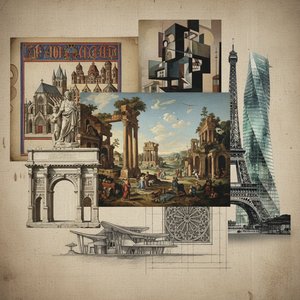
The Enduring Legacy of Architecture in Art: A Historical Survey of Representation & Meaning
Explore the rich history of architecture in art, from Renaissance theory to 19th-century reconstructions. Discover key artists & movements shaping visual representation – a guide for discerning collectors.
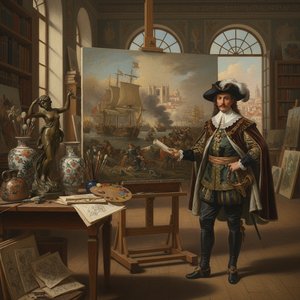
Alfredo Roque Gameiro: A Portuguese Master of Historical Painting & Artistic Eclecticism
Discover Alfredo Roque Gameiro (1864-1935), a renowned Portuguese painter celebrated for his vibrant watercolors and historical illustrations. Explore his legacy & artworks at OriginalUniqueArt.
Catalogo delle opere d'arte
Nessuna opera trovata.


Iscriviti alla nostra newsletter
Rimani aggiornato sulle ultime novità dell'arte, sulle offerte esclusive e sulle idee di decorazione.
Ricevi 3 suggerimenti d'arte gratuiti
Raccontaci del tuo progetto e i nostri esperti d'arte ti proporranno 3 suggerimenti artistici personalizzati.
Not Sure Where to Start?
Let Us Curate 3 Options Just for You - Free!