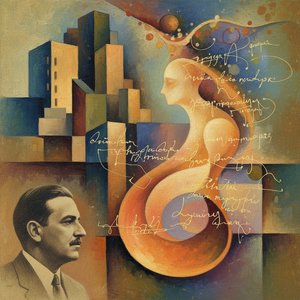
Scopri Antônio Parreiras: pittore brasiliano celebre per paesaggi emozionali e nudi raffinati. Ammira il suo stile plein air e l'influenza europea a Rio de Janeiro. Arte romantica e maestria artistica senza pari!
A Sanctuary of Brazilian Romanticism: Museo Antonio Parreiras
Museo Antonio Parreiras, nestled in the vibrant heart of Rio de Janeiro, isn’t merely a repository of art; it's an immersion into Brazil’s artistic soul. Unlike sprawling metropolitan museums, this institution offers an intimate encounter with masterpieces born from the fervor of the Romantic era and beyond—a testament to Portugal’s enduring influence on Brazilian culture. Its unassuming façade belies the profound depth of its collection and the captivating narrative woven within its walls.
Exploring Brazilian Romantic Painting:
The museum's core resides in its dedication to Romanticism, a movement that wrestled with emotion, imagination, and the sublime—themes powerfully reflected in canvases by luminaries like Antonio Parreiras. You’ll discover an undeniable neoclassical underpinning alongside burgeoning Realist and Symbolist tendencies, showcasing the multifaceted evolution of Brazilian artistic expression.
Historical Echoes:
Visitors are transported back to Brazil's formative years as they contemplate artworks depicting pivotal moments in history—the grandeur of imperial processions, evocative portrayals of indigenous landscapes, and representations of national heroes. These pieces serve as tangible reminders of the nation’s identity.
A Building Steeped in Tradition: Architectural Elegance
Museo Antonio Parreiras occupies a building that embodies Rio de Janeiro's architectural heritage from the early 20th century. Designed with an eye for grandeur and incorporating influences from French Renaissance, Italian Renaissance, and Neoclassical styles—a harmonious blend reflecting Portugal’s artistic legacy—the museum’s interior spaces are as impressive as its artworks. Sunlight streams through arched windows, illuminating meticulously preserved frescoes and creating a serene atmosphere conducive to contemplation.
A Legacy of Patronage:
Established during the reign of Emperor Pedro II, Museo Antonio Parreiras emerged from a period marked by fervent nationalist sentiment—a desire to elevate Brazilian art as a symbol of civilized progress. This patronage fueled the acquisition of significant pieces and cemented the museum’s role in preserving Brazil's artistic heritage.
A Singular Collection:
The museum’s holdings boast remarkable diversity, featuring works by Antonio Parreiras himself—studies like “The Foundation of Rio de Janeiro Additional Act,” alongside contributions from José J. Veiga and Carlos Oswald—artists whose literary endeavors complemented their paintings with lyrical prose.
Featured Artwork Treasures
Delving deeper into Museo Antonio Parreiras’ collection reveals breathtaking canvases that capture the essence of Brazilian Romanticism. “Calçada do Largo da Pólvora,” painted in 1905 by Antonio Parreiras, exemplifies impressionistic technique—a masterful depiction of Rio de Janeiro's tranquil plazas bathed in soft light. Similarly, “Praça Batista Campos I” showcases Parreiras’ ability to convey emotion through subtle color palettes and textured brushstrokes—a captivating glimpse into Brazilian landscape painting.
Beyond the Canvas:
Museo Antonio Parreiras transcends mere visual appreciation; it offers a profound understanding of Brazil's cultural narrative. Its curators strive to illuminate connections between art, literature, and history—enriching visitors’ experience and fostering a deeper connection with Brazilian artistic tradition.
Why Museo Antonio Parreiras Stands Apart
Unlike larger museums overwhelmed by crowds and sprawling galleries, Museo Antonio Parreiras prioritizes intimacy. Here, you can linger before artworks, absorb their nuances, and engage in thoughtful reflection—a rare opportunity to experience Brazilian art history on a personal level. It’s a destination for discerning collectors and interior designers seeking authentic pieces that embody Brazil's artistic spirit.
A Journey Through Time:
Museo Antonio Parreiras isn’t just about admiring beautiful paintings; it’s about embarking on a voyage through Brazilian history—a chronicle of artistic innovation, imperial grandeur, and the birth of national identity.
A cura del team editoriale di OriginalUniqueArt.com
Quiz d'arte
Per ogni domanda è presente una sola risposta corretta.
Domanda 1:
Qual movimento artistico principalmente caratterizza la collezione del Museo Antonio Parreiras?
Domanda 2:
Gli edifici architettonici del museo riflettono influenze da quali stili europei?
Domanda 3:
Qual imperatore giocò un ruolo significativo nella promozione dell'arte brasiliana durante il movimento nazionalista?
Domanda 4:
È noto che Museo Antonio Parreiras offre un’esperienza intima e si concentra sull'apprezzamento dei dettagli delle opere d'arte.
Domanda 5:
La collezione del museo comprende opere di artisti come José J. Veiga e Carlos Oswald, che eccelsero in quali mezzi artistici?
Scopri la nostra storia! Portiamo l'arte di livello mondiale nella tua vita grazie a una selezione esperta, creazioni personalizzate e anteprime gratuite. Approvato da privati e aziende dal 2000.
Explore the captivating world of Alceu de Paula Penna, a pivotal figure in Brazilian Modernism. Discover his innovative concrete poetry & influence on Latin American art history. Expert insights for collectors.
Esplora i 25 capolavori di Francisco Goya, il genio spagnolo tra Romanticismo e Realismo. Ritratti iconici, 'Los Caprichos' e le toccanti 'Disastri della Guerra'. Trova stampe su tela e riproduzioni artistiche di alta qualità per la tua casa su OriginalUniqueArt.com.