San Zulian: Echoes of Venetian Renaissance Splendor
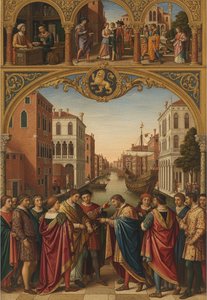
The San Zulian Museum stands as a poignant testament to Venice’s artistic legacy—a place where the spirit of its former glory persists despite the physical absence of its magnificent church. Located in the heart of Venezia, this museum delves into the story of San Geminiano, a Byzantine edifice that underwent significant transformations throughout centuries, culminating in a breathtaking Renaissance reconstruction spearheaded by Cristoforo da Legname and Jacopo Sansovino. Tragically demolished in 1807 during Napoleonic rule—a deed mourned as “Gallic vandalism”—the church’s fate ensured its artistic treasures would endure, safeguarded within the museum's walls.
A Legacy of Faith and Artistic Innovation
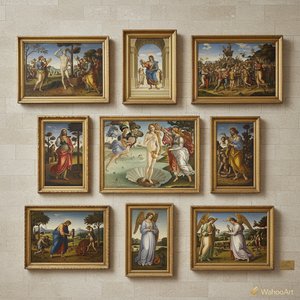
The museum’s core mission revolves around preserving and presenting the dispersed artworks originating from San Geminiano’s chapel. These pieces represent a remarkable snapshot of Venetian Renaissance art, showcasing the mastery of artists like Bartolomeo Vivarini and Paolo Veronese. Among the most celebrated treasures is a panel depicting Saint Mary Magdalene and Saint Barbara by Vivarini—a masterful example of Byzantine influence blended with Venetian artistic sensibilities. The meticulous detail and vibrant colors speak volumes about the artistic standards of the era. Experts believe that Vivarini’s work exemplifies the fusion of Eastern Orthodox iconography with Venetian decorative traditions, reflecting Venice's role as a crossroads of cultural exchange during the fifteenth century.
Architecture: A Fragment of Renaissance Grandeur
Though San Geminiano itself no longer exists, its architectural grandeur continues to inspire awe. Designed by Cristoforo da Legname and Jacopo Sansovino—renowned figures of Venetian Renaissance architecture—the church embodies the ideals of symmetry, proportion, and harmonious ornamentation characteristic of the period. The façade, adorned with sculptures depicting saints and biblical scenes, stands as a testament to the ambition of Venetian artists and patrons during the Renaissance. Visitors can appreciate the subtle interplay of light and shadow within the interior space—a deliberate design choice intended to evoke contemplation and reverence.
The Vivarini Panels: A Window into Byzantine Venice
A centerpiece of San Zulian’s collection is undoubtedly Bartolomeo Vivarini's altarpiece depicting Saint Mary Magdalene and Saint Barbara. Executed in 1490, this monumental panel exemplifies Vivarini’s exceptional skill in blending Byzantine artistic conventions with Venetian stylistic preferences. The depiction of the saints—characterized by serene expressions and richly ornamented robes—reflects the spiritual fervor prevalent during the Renaissance. Scholars have analyzed pigment analysis to determine that Vivarini utilized ultramarine pigment imported from Persia—a testament to Venice's commercial prowess and its connections with distant lands.
Beyond the Walls: Exhibitions & Ongoing Research
San Zulian actively engages in scholarly research aimed at reconstructing San Geminiano’s original splendor. Recent exhibitions have explored connections between Venetian art and broader European artistic trends, fostering dialogue among experts and enthusiasts alike. Furthermore, curators meticulously examine provenance records—tracing the history of each artwork from its creation to its acquisition by San Geminiano's chapel. These investigations contribute to a deeper understanding of Venice’s cultural heritage and illuminate the artistic influences shaping Renaissance Italy.
A Singular Museum Experience
What distinguishes San Zulian is its dedication to commemorating a lost architectural marvel—a symbol of Venetian resilience and artistic spirit. The narrative surrounding the church’s demolition serves as a powerful reminder of Venice’s vulnerability to external forces while simultaneously celebrating the enduring beauty of its artistic heritage. Explore this captivating museum experience and discover the echoes of Venice’s Renaissance past!