- Pagina iniziale

- Musei
- Museo Nazionale della Seta Cinese

Dettagli rapidi
- Works on APS: 7
- Location: Hangzhou, People's Republic of China
- Featured artists:
- chombongkod pattanawit
- weiwei zhao
- zarlashta salarzai
- priscilla tsu-jyen shunmugam
- hung hsiu chu
- Alternate names:
- Museo Nazionale della Seta Cinese
- CNSM
Quiz d'arte
Per ogni domanda è presente una sola risposta corretta.
Domanda 1:
Qual è la principale ragione per cui il Museo Nazionale della Seta Cinese è riconosciuto dall’UNESCO?
Domanda 2:
Il museo ospita una vasta collezione di opere d’arte quali?
Domanda 3:
Quale percorso storico ha svolto la Via della Seta nel promuovere il commercio internazionale e lo scambio culturale?
Domanda 4:
Cosa distingue il Museo Nazionale della Seta Cinese dagli altri musei?
Domanda 5:
Come è caratterizzata l’architettura del museo?
Artisti in collezione
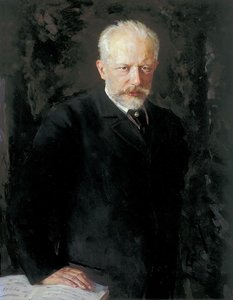
Chombongkod Pattanawit
Scopri chombongkod pattanawit, artista thailandese celebre per gli squisiti abiti qipao in seta di Lamphun. Esplora i suoi design tradizionali e le innovative tecniche di saldatura.


Wei Wei
Meta descrizione: Scopri Weiwei Zhao, artista cinese che sfida convenzioni sociali con opere provocatorie e sculture monumentali. Un talento versatile tra teatro, cinema e ricerca, simbolo di libertà creativa e impegno civile.

Zarlashta Salarzai
Scopri l’affascinante universo delle opere di Zarlashta Salarzai! Ammira il suo iconico ‘Afghan Dress’, una fusione tra tradizione e stile moderno che celebra l'artigianato afgano.
Articoli correlati
The Enduring Legacy of Architecture in Art: A Historical Survey of Representation & Meaning
Explore the rich history of architecture in art, from Renaissance theory to 19th-century reconstructions. Discover key artists & movements shaping visual representation – a guide for discerning collectors.

Echoes of Heritage: Continuity & Innovation in Traditional Art Forms
Explore the rich history of cultural heritage & folk art traditions worldwide! Discover inspiring artists, preservation efforts, and museum collections. Find handmade oil paintings & expert insights at OriginalUniqueArt.
La Presenza Imponente: Integrazione Architettonica e Strategie Proporzionali per Riproduzioni d'Arte Monumentali negli Interni di Lusso
Scopri come integrare opere d'arte monumentali nei tuoi interni di lusso con OriginalUniqueArt. Consulenza esperta, riproduzioni di alta qualità e soluzioni personalizzate per un impatto visivo straordinario.
Catalogo delle opere d'arte
Nessuna opera trovata.


Iscriviti alla nostra newsletter
Rimani aggiornato sulle ultime novità dell'arte, sulle offerte esclusive e sulle idee di decorazione.
Ricevi 3 suggerimenti d'arte gratuiti
Raccontaci del tuo progetto e i nostri esperti d'arte ti proporranno 3 suggerimenti artistici personalizzati.
Not Sure Where to Start?
Let Us Curate 3 Options Just for You - Free!