A Legacy of Enlightenment: Exploring Sibiu’s Brukenthal National Museum
The Brukenthal National Museum in Sibiu, Romania, stands as an unparalleled testament to the spirit of European intellectual curiosity and artistic patronage. Established in 1790 by Baron Samuel von Brukenthal—a Habsburg governor who profoundly shaped Transylvanian history—it holds the distinction of being Romania’s oldest museum and one of the pioneers of Central European cultural institutions. More than just a repository of artifacts, it embodies Sibiu's enduring connection to artistic heritage and intellectual advancement.
The Baron’s Vision: Founding & Early Collections
Baron Samuel von Brukenthal’s ambition extended far beyond mere aesthetic pleasure; he envisioned creating a comprehensive educational resource for future generations. Driven by an unwavering belief in the transformative power of art and knowledge, he embarked on assembling his extraordinary collections with meticulous care. Initially focusing on Roman antiquities and ethnographic specimens—reflecting the burgeoning interest in comparative cultures—his vision swiftly broadened to encompass European painting and sculpture from the Renaissance through the Baroque eras. Driven by a passion for beauty and scholarship, he sought to elevate Sibiu’s cultural standing alongside the most prestigious capitals of Europe. Officially inaugurated in 1817, the museum quickly gained renown as a beacon of scholarly endeavor and artistic excellence, attracting visitors eager to immerse themselves in the intellectual currents of its time. The early collections—primarily Roman sculptures and ethnographic objects—served as inspiration for subsequent acquisitions aimed at bolstering Romania’s artistic heritage.
A Multifaceted Artistic Treasure Trove
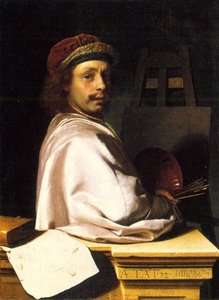
Today’s Brukenthal Museum comprises six distinct museums, each dedicated to exploring specific facets of European culture and history. The Art Galleries house approximately 1,200 masterpieces spanning from the 15th to 18th centuries—a breathtaking panorama of artistic achievement featuring luminaries such as Rubens, Rembrandt, Vermeer, Caravaggio, Correggio, and Murillo. These canvases offer glimpses into the stylistic innovations and humanist ideals that characterized these pivotal periods. The meticulous selection process ensured that each artwork represented a pinnacle of its respective era, reflecting the tastes and aspirations of European elites. Adjacent to this gallery is the Brukenthal Library, housing around 300,000 volumes—a veritable bibliophile’s paradise—including rare manuscripts illuminated with exquisite detail, incunabula representing the earliest printed books, and notably, the magnificently adorned Brukenthal Breviary from 1569. Its intricate illuminations stand as a testament to medieval craftsmanship and artistic devotion. The library's holdings encompass texts spanning across disciplines—from theology and philosophy to literature and science—providing invaluable insights into intellectual life during the Baroque period.
Beyond Art: Exploring Sibiu’s Historical Narrative
Further enriching the museum experience is the Museum of History, which meticulously chronicles the evolution of Sibiu and Southern Transylvania through captivating exhibits showcasing archaeological finds, historical documents, and reconstructed environments. Visitors gain insight into the region's medieval past—particularly its role as a crossroads of cultures—and trace the trajectory of Romanian identity throughout subsequent centuries. The museum’s centerpiece is a monumental Gothic cathedral—a symbol of Sibiu’s spiritual heritage and architectural grandeur—which houses relics venerated by pilgrims from across Europe. Furthermore, the Museum of Pharmacology delves into the history of medicine in Romania, highlighting the legacy of Samuel Hahnemann and exploring the origins of homeopathy with objects relating to his pioneering work. The Museum of Natural History boasts over a million specimens—ranging from minerals and fossils to botanical illustrations and zoological dioramas—providing visitors with an immersive encounter with Romania’s natural biodiversity.
Architectural Grandeur: The Brukenthal Palace
At the heart of this complex resides the Brukenthal Palace, a magnificent exemplar of Baroque architecture commissioned by Baron Samuel von Brukenthal himself. Constructed in 1790 as his private residence, it quickly transitioned into a public institution—a deliberate decision reflecting the baron’s commitment to disseminating knowledge and fostering artistic appreciation. Its opulent interiors—characterized by soaring ceilings adorned with frescoes depicting mythological scenes—are equally impressive as its exterior façade, embodying the grandeur and sophistication of Transylvanian aristocratic taste. The palace stands alongside other historically significant buildings throughout Sibiu—each contributing to the city's distinctive character and UNESCO World Heritage status. Its harmonious blend of architectural styles—reflecting influences from Italian Baroque and Austrian Habsburg design—creates a visual spectacle that transports visitors back to the eighteenth century.
### What Makes Brukenthal Unique?
The Brukenthal Museum’s singular position within Romania’s cultural landscape stems from several factors: its designation as the oldest museum in Romania—a testament to Baron Samuel von Brukenthal's foresight and patronage; the unparalleled breadth of its collections—spanning art, history, natural science, and medicine—offering visitors a holistic understanding of European intellectual heritage; and Sibiu’s designation as UNESCO World Heritage Site—enhancing the museum’s prestige and attracting tourists from around the globe. Its location within Sibiu's medieval heart adds to its charm, inviting exploration and contemplation amidst a setting steeped in history and artistic tradition. A visit to Brukenthal National Museum is an unforgettable journey into Romania’s cultural past—a celebration of beauty, knowledge, and enduring legacy.