
Janus Pannonius Múzeum: A Cultural Heart of Pécs
Nestled in the historic city of Pécs, Hungary – a UNESCO World Heritage Site recognized for its remarkably preserved Baroque architecture – Janus Pannonius Múzeum stands as a testament to Baranya County’s artistic legacy and cultural vibrancy. More than simply a repository of artworks, it's an immersive experience transporting visitors back centuries, offering insights into Hungarian history, decorative arts, and the groundbreaking innovations of Zsolnay ceramics.
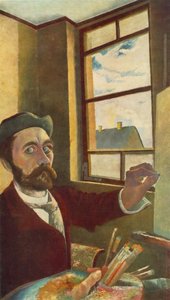
Fine Arts: The museum’s core collection showcases Hungarian paintings from across eras, featuring luminaries like Jeno Gabor, whose emotive landscapes capture the spirit of the Hungarian countryside, and Julia Zsolnay, a pioneer in decorative arts who elevated ceramic design to new heights. Bold abstractions by Victor Vasarely further exemplify Hungary's contribution to modern art—a daring exploration of geometric forms that reflects the intellectual currents of its time.
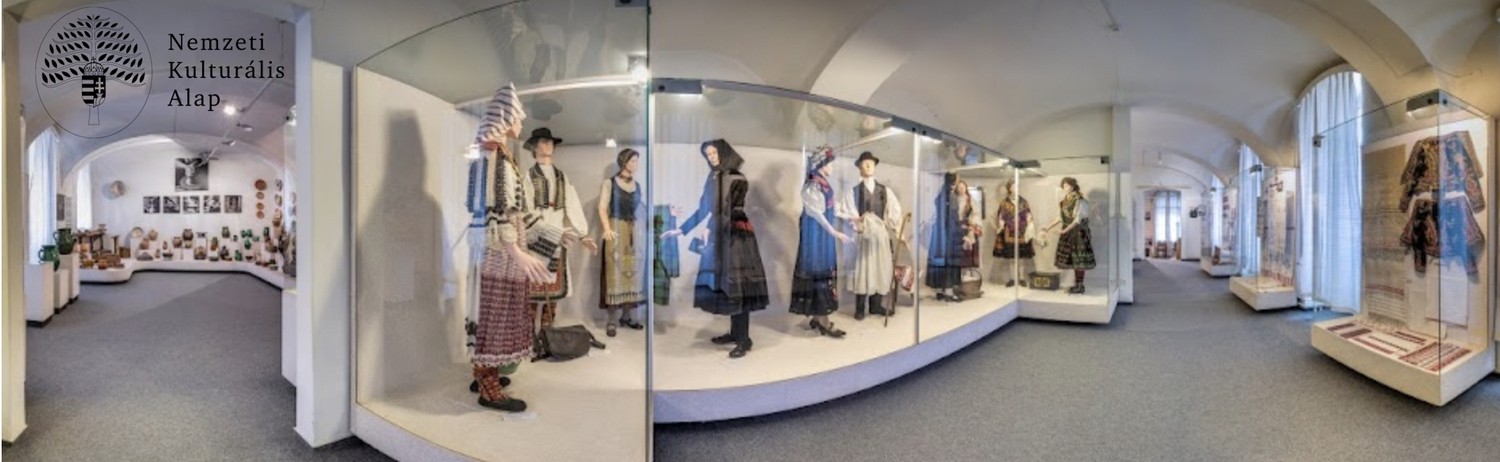
Applied Arts: Beyond paintings, Janus Pannonius Múzeum delves into the realm of applied arts, presenting exquisite furniture pieces crafted with meticulous attention to detail and showcasing traditional Hungarian crafts—a tangible connection to the region’s artisanal heritage. These objects speak volumes about the craftsmanship and aesthetic sensibilities of Hungary's past.
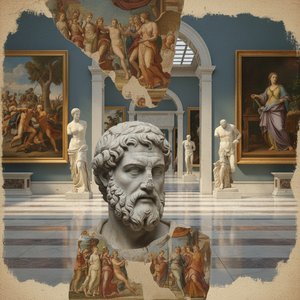
Archaeology: Exploring Hungary’s ancient past is equally rewarding. The museum houses impressive artifacts unearthed from Roman sites in Baranya County, offering glimpses into the influence of imperial Rome on Hungarian culture. Fragments of mosaics and sculptures illuminate the daily life and artistic achievements of Roman settlers—a captivating reminder of Hungary's multifaceted history.
History: Examining Pécs’s evolution through time reveals a fascinating narrative shaped by migrations, religious fervor, and artistic patronage. The museum’s exhibits illuminate pivotal moments that have molded the city’s identity—from its medieval origins to its Baroque splendor, culminating in the vibrant cultural landscape we see today.
Zsolnay Ceramics: Undoubtedly the museum’s crown jewel is its unparalleled collection of Zsolnay ceramics—a celebration of Hungarian ceramic artistry. Founded in 1872, Zsolnay revolutionized glazing techniques with its distinctive eosin glaze, resulting in breathtakingly colorful and sculptural pieces that continue to inspire admiration. Each vase, tile, and decorative panel embodies a masterful fusion of artistic vision and technical innovation—a legacy that resonates powerfully within the museum’s walls.
The museum’s architectural ensemble reflects Pécs's Baroque splendor, comprising buildings constructed during the Habsburg era. While specific historical records concerning these structures remain elusive, their grandeur speaks volumes about the city’s commitment to cultural preservation. The museum’s name honors Janus Pannonius (born János Csányi), who was a celebrated Hungarian humanist poet and diplomat whose influence extended far beyond his literary achievements—a figure whose spirit continues to inspire contemplation within the museum’s serene courtyard.
What distinguishes Janus Pannonius Múzeum is its holistic approach—a dedication to preserving not only artworks but also the broader cultural context in which they were created. Its curators strive to foster dialogue between art history, archaeology, and social history, enriching visitors’ understanding of Hungary's past and inspiring appreciation for its artistic traditions. Currently, the museum hosts captivating exhibitions exploring Hungarian folklore and contemporary interpretations of classical themes—a testament to Hungary’s enduring cultural heritage.
For those eager to delve deeper into Pécs’s cultural landscape and immerse themselves in Hungarian art history, Janus Pannonius Múzeum offers an unforgettable journey—a place where beauty meets intellect and tradition embraces innovation. Visit https://www.jpm.hu/english for current exhibitions and opening hours.