Un Portale verso un'Epoca Dorata: L'Eredità Vivente di Casa Hallwyl
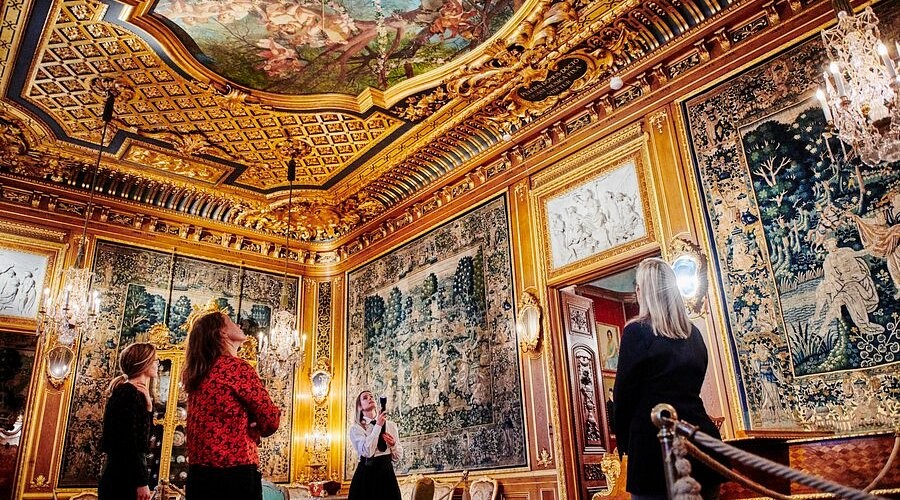
Varcare la soglia del Museo Hallwyl a Stoccolma è come entrare in una capsula del tempo meticolosamente preservata, un portale diretto nel mondo opulento della nobiltà svedese della fine del XIX secolo. A differenza di molti musei che espongono opere d'arte relative a un periodo, Casa Hallwyla offre un'esperienza immersiva: esso è il periodo stesso, fedelmente ricostruito come dimora e collezione della Contessa Wilhelmina von Hallwyl e di suo marito, il Conte Walther. Non si tratta di una semplice esposizione di oggetti preziosi; è una narrazione toccante di una famiglia, delle loro passioni e del loro ruolo in una società in rapido mutamento. L'aria stessa tra queste mura sembra trattenere il respiro di un'epoca passata, invitando i visitatori a vagare tra stanze che sono rimaste virtualmente intatte dal passaggio del secolo.
L'architettura stessa funge da mozzafiato preludio ai tesori custoditi all'interno. Progettato dal celebre architetto Isak Gustaf Clason tra il 1893 e il 1898, l'esterno del palazzo trae ispirazione da prototipi medievali e dalla grandezza romantica della Venezia rinascimentale, evocando un senso di prestigio e solennità storica. Eppure, sotto questa facciata classica, si cela una meraviglia di innovazione moderna per l'epoca. I von Hallwyl furono pionieri del progresso, integrando comodità all'avanguardia come l'elettricità, il riscaldamento centralizzato e persino il telefono nel loro santuario privato. Questa affascinante giustapposizione tra estetica storica e avanzamento tecnologico dice molto sull'identità della famiglia: profondamente radicata nella tradizione, ma entusiasta di accogliere l'alba di una nuova era.
La Visione della Contessa: Un Arazzo Globale di Arte e Artigianato
Il cuore del museo pulsa attraverso l'straordinaria collezione accumulata dalla Contessa Wilhelmina von Hallwyl. Spinta da una curiosità insaziabile e da un occhio finissimo, viaggiò estensivamente in Europa e in Asia, raccogliendo oltre 50.0'0 oggetti che riflettono il suo profondo apprezzamento per l'artigianato globale. Per l'amante dell'arte o il collezionista, le sale offrono un insieme eclettico ma armonioso di arti decorative. Ci si può ritrovare incantati dalla delicata porcellana cinese, dai complessi dipinti giapponesi o dalla presenza imponente e maestosa delle armi e armature europee. Questa collezione non è solo un'esibizione di ricchezza, ma un dialogo curato tra culture lontane, unite dalla visione singolare di una donna.
Ogni angolo della casa offre una nuova scoperta per l'appassionato di design. Gli interni sono una lezione magistrale di eleganza tardo-vittoriana, con mobili squisiti, tessuti riccamente intrecciati e rari manoscritti che sussurrano storie di ricerca intellettuale. Dalla grande sala da pranzo allestita per un banchetto sontuoso alla quieta intimità della biblioteca, la disposizione di questi oggetti rimane esattamente come la Contessa aveva previsto. La sua dedizione al dettaglio era così profonda che catalogò meticolosamente ogni singolo pezzo personalmente, assicurando che la provenienza e lo spirito della sua collezione potessero perdurare. Questo impegno verso l'autenticità è ciò che rende il Museo Hallwyl un santuario per coloro che cercano di comprendere la vera essenza del lusso storico.
Un Monumento Vivente alla Conservazione
Ciò che distingue veramente il Museo Hallwyl da altre istituzioni storiche è il suo incrollabile impegno verso la conservazione, un mandato sancito nel 1920 dalla Contessa stessa. Ella stabilì che la casa e i suoi contenuti rimanessero immutati, salvaguardando non solo gli oggetti, ma anche l'atmosfera stessa della vita nobiliare. Questo raro livello di integrità permette ai visitatori contemporanei di sperimentare l'intimità degli spazi privati — le camere da letto, i fumatoi e la sala da biliardo — come se i von Hallwyl fossero appena usciti per un momento. È un luogo in cui la storia non viene studiata a distanza, ma percepita attraverso la trama del velluto e il bagliore delle luci d'epoca.
Oltre ai suoi tesori permanenti, il museo continua a infondere vita nel passato attraverso mostre ponderate che colmano il divario tra storia e indagine moderna. Che si tratti di esplorare le controverse implicazioni sociali della "Guerra del Corsetto" o di meravigliarsi per la delicata maestria delle miniature di casette di bambola nelle esposizioni temporanee, il museo rimane un centro vibrante di esplorazione culturale. Per i designer d'interni in cerca di ispirazione o per gli storici che tracciano la linea delle arti decorative svedesi, il Museo Hallwyl si erge come un monumento impareggiabile al potere di una vita vissuta pienamente e di una collezione profondamente amata.