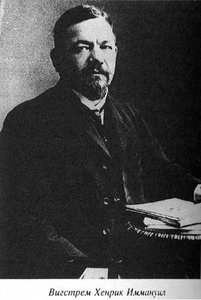
Henrik Wigström fu un maestro della gioielleria Fabergé, celebre per opere d’arte in stile neoclassico e imperiale che incarnano l’eccellenza artistica russa del suo tempo. Creatore di animali, figure e fiori in pietra dura, è considerato uno dei più importanti artisti della Casa Fabergé. Scopri la sua straordinaria eredità!
Scopri Johan Victor Aarne (v.Aarne), gioielliere e argentista finlandese noto per i raffinati gioielli in oro smaltato e cornici realizzate da Fabergé. Esplora la sua eredità!
A Glimpse into Imperial Splendor: The Fabergé Museum of Saint Petersburg
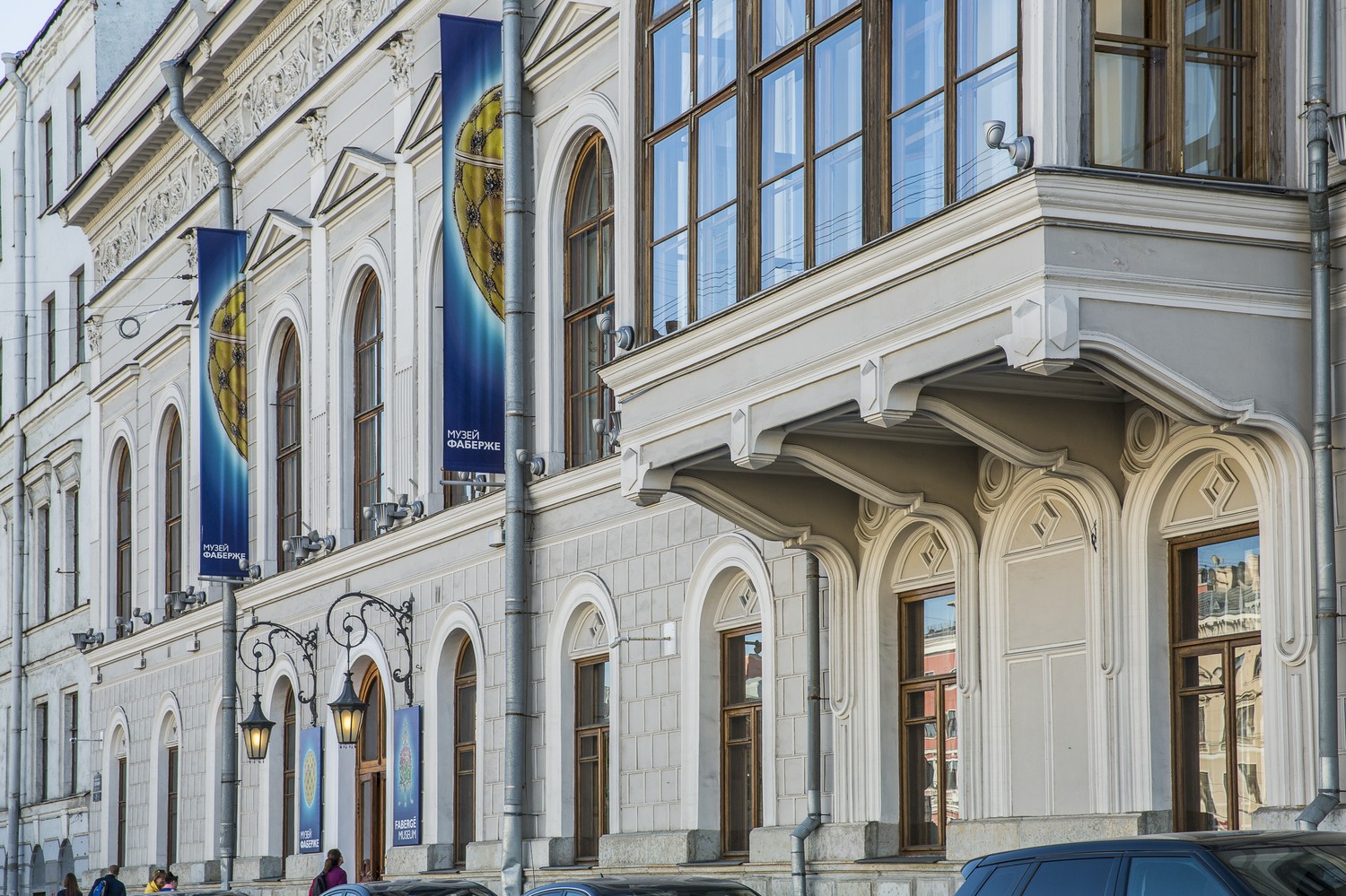
The Fabergé Museum in Saint Petersburg isn’t merely a repository of exquisite objects; it is a portal to a vanished world, an echo of imperial grandeur and artistic innovation. Founded by Viktor Vekselberg, the museum represents a remarkable act of cultural repatriation, bringing back to Russia treasures that had scattered across the globe. Its very existence speaks to a deep reverence for Russian artistry and a commitment to preserving a legacy of unparalleled craftsmanship. Housed within the opulent Shuvalov Palace—a neoclassical masterpiece itself steeped in aristocratic history—the museum offers an immersive experience into the dazzling world of the Romanovs and the extraordinary creations that adorned their lives. The palace, completed in 1840 and later embellished with architectural details by Rudolph Bogdanovich Berngard, provides a fittingly majestic backdrop for the treasures within, its gilded halls and ornate detailing mirroring the lavishness of the Fabergé workshops.
The Allure of Imperial Eggs
At the heart of the museum’s renown lies its breathtaking collection of Fabergé eggs—objects that transcend mere decoration to become miniature narratives sculpted in gold, adorned with gemstones, and painstakingly painted with enamel. These weren't simply gifts; they were symbols of imperial power, familial affection, and artistic mastery. Commissioned by Tsars Alexander III and Nicholas II as Easter presents for their consorts, each egg was a unique creation, concealing within its jeweled shell a delightful surprise—a miniature automaton, a portrait, or a meticulously crafted replica of a significant object. The Rothschild Egg, acquired by Vekselberg in 2007, stands as a testament to the museum’s ambition and the enduring allure of these masterpieces. Beyond their intrinsic beauty, the eggs offer a fascinating glimpse into the political and personal lives of the Romanov dynasty, each one reflecting a specific moment in history or a cherished memory. The sheer artistry involved—the intricate guilloché enameling, the delicate gemstone settings, the ingenious mechanical devices—is simply astounding, showcasing the unparalleled skill of Fabergé’s artisans. Each egg tells its own story, capturing the spirit of an era and embodying the highest achievements of Russian craftsmanship.
Beyond the Eggs: A Universe of Craftsmanship
While the Imperial eggs rightfully command attention, to view the Fabergé Museum solely through this lens would be a disservice to the breadth and depth of its collection. The museum boasts over 4,000 display items representing the full spectrum of the House of Fabergé’s creations: dazzling jewelry, intricately carved figurines, elegant silverware, luxurious home décor objects, and even religious icons crafted with exquisite detail. Fabergé wasn't just a jeweler; he was a master of applied arts, pushing the boundaries of technique and design. His pioneering use of enamel work—transforming metal surfaces into luminous canvases of color and pattern—is particularly noteworthy. The museum showcases diverse materials – gold, silver, porcelain, bronze – each reflecting stylistic influences and contributing to Saint Petersburg’s rich cultural heritage. Consider the Gothic Hall, where monumental Orthodox icons dominate the space, framed in gilded bronze and adorned with precious stones; or the Knights' Hall, dedicated to military themes and featuring sculptures depicting heroic figures from Russian history. These spaces are not merely repositories of art but embodiments of imperial ambition and artistic vision.
A Legacy of Innovation and Artistic Exchange
The Fabergé Museum distinguishes itself through its commitment to illuminating the multifaceted dimensions of Russian art history. Inaugural exhibitions like “Gold of the World” demonstrated this ambition, showcasing gold artifacts from diverse civilizations and celebrating Saint Petersburg’s role as a center for artistic innovation and cultural exchange. The museum doesn't simply display objects; it contextualizes them, offering visitors a deeper understanding of the historical, social, and artistic forces that shaped their creation. The Shuvalov Palace itself contributes to this narrative, its architecture reflecting the aspiration of Saint Petersburg to emulate the grandeur of European capitals during the reign of Alexander III. Furthermore, ongoing exhibitions continue to explore new facets of Russian art and design, ensuring that it remains a vibrant hub for scholarship and appreciation—a place where visitors can reconnect with Russia’s illustrious past and marvel at the brilliance of its artistic heritage.
Saint Petersburg's Artistic Soul: The Palace and Its Surroundings
The Shuvalov Palace stands as a symbol of Saint Petersburg’s ambition during the reign of Alexander III, mirroring the architectural grandeur of capitals like Paris and London. Designed by Rudolph Bogdanovich Berngard, it embodies neoclassical ideals—symmetry, proportion, and ornamentation—reflecting the taste of the aristocracy at the time. The palace's interior walls are adorned with frescoes depicting scenes from Russian history and mythology, creating an immersive experience for visitors. Exploring Saint Petersburg’s artistic soul begins here, amidst the splendor of imperial art and architectural heritage.
A cura del team editoriale di OriginalUniqueArt.com
Quiz d'arte
Per ogni domanda è presente una sola risposta corretta.
Domanda 1:
Qual è il nome del museo dedicato alla Maison Fabergé?
Domanda 2:
Dove si trova il Museo Fabergé?
Domanda 3:
Quando è stato fondato il museo?
Domanda 4:
Chi ha acquistato la collezione Fabergé nel museo?
Domanda 5:
Qual è il materiale principale delle uova imperiali?
Explore the captivating world of Sergey Solomko (1867-1928), a master of Russian Art Nouveau. Discover his stunning paintings, illustrations & designs capturing Old Russia's beauty. Hand-painted reproductions available at OriginalUniqueArt.
Explore the captivating world of Victor Vasnetsov, a co-founder of Russian folklorist painting. Discover his iconic works, influence on national identity, and lasting legacy in this expert guide.
Explore the enchanting world of Ivan Bilibin, a master Russian illustrator who synthesized folklore, Art Nouveau & national identity. Discover his iconic fairy tale illustrations and legacy with OriginalUniqueArt.