A Sanctuary of Flemish Splendor: Exploring the Diocesan Museum of Burgos Cathedral
The Diocesan Museum of Burgos Cathedral stands as a beacon of artistic heritage within Spain’s UNESCO World Heritage landscape—a testament to centuries of faith and creative endeavor nestled at the heart of one of Europe's most magnificent Gothic cathedrals. More than simply showcasing religious art, it offers an immersive journey into the spiritual and cultural currents that shaped the Diocese’s identity, inviting visitors to contemplate not only visual beauty but also profound historical narratives.
Collection Highlights: Flemish Masters and Medieval Treasures
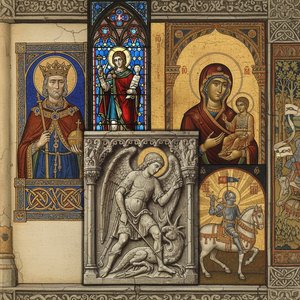
The museum’s core resides in a breathtaking assemblage of paintings and sculptures spanning diverse periods—from the Romanesque foundations of Burgos Cathedral to the Baroque embellishments that graced its later centuries. Dominating the collection are exquisite Flemish panels, painstakingly crafted by masters like Hans Memling, exemplifying unparalleled detail and luminosity; these artworks embody the artistic fervor of Northern Europe during their formative years – a vibrant expression of humanist ideals intertwined with devout piety. The meticulous techniques employed by Flemish painters—particularly glazing and layering pigments—result in canvases imbued with an ethereal glow that captivates the eye and transports viewers to another era. Furthermore, the museum houses remarkable illuminated manuscripts—codices—adorned with intricate calligraphy and vibrant pigments, reflecting the scholarly pursuits of medieval monastic communities. Alongside these textual treasures are precious liturgical objects—chalices, candlesticks, altar cloths—each bearing witness to the rituals and ceremonies that shaped spiritual life throughout the Diocese’s history.
Architectural Context: A Space Within Sacred History
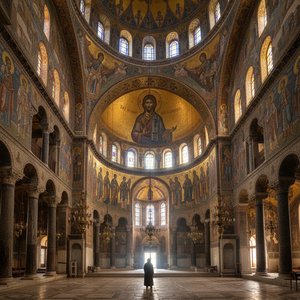
The museum occupies a space within the cathedral complex itself, specifically utilizing former monastic halls or chapter houses – a strategic placement enhancing the visitor's experience, allowing them to appreciate the grandeur of the cathedral alongside its artistic treasures—a harmonious blend of architectural majesty and devotional artistry. The soaring arches, ribbed vaults, and stained-glass windows of Burgos Cathedral serve as an evocative backdrop for contemplating the masterpieces housed within the museum’s walls, fostering a connection between art and faith that transcends time.
History: From Charitable Origins to Scholarly Preservation
Founded in the 18th century as a charitable institution aimed at safeguarding ecclesiastical heritage, the Diocesan Museum’s mission has remained steadfast: to illuminate the spiritual narrative interwoven with artistic achievement. Its curators have championed scholarly research and meticulous conservation efforts—a commitment reflected in the museum's careful cataloging of artworks and its ongoing engagement with contemporary art scholarship—ensuring that future generations can contemplate these treasures with informed appreciation. The museum’s history mirrors the broader evolution of Burgos Cathedral itself, from its initial Romanesque construction to its subsequent Gothic transformation and Baroque embellishments—a chronicle of architectural innovation and artistic patronage driven by papal decrees and royal ambition.
Notable Exhibitions: Bridging Eras Through Artistic Dialogue
Throughout its history, the Diocesan Museum has hosted significant exhibitions focusing on themes such as Flemish painting techniques, Gothic sculpture, and the role of Burgundian patronage in shaping artistic expression—demonstrating a willingness to engage with broader cultural currents and fostering dialogue across eras. Recent initiatives have explored connections between medieval spirituality and contemporary art, prompting visitors to reconsider conventional interpretations of artistic symbolism and aesthetic ideals. These exhibitions serve as invaluable resources for understanding the museum’s collection within its historical context—illuminating not only the artistry of individual artworks but also the intellectual debates that shaped their creation.
What Makes Burgos Cathedral's Diocesan Museum Unique?
What distinguishes Burgos Cathedral’s Diocesan Museum from other art museums is its unparalleled intimacy—a chance to engage directly with the tangible embodiment of faith and artistic excellence within a UNESCO World Heritage site. Visitors can gain profound insight into the cultural landscape of Spain during the Gothic period, appreciating not only the beauty of the artworks but also their historical significance as symbols of piety and artistic innovation—a legacy that continues to inspire scholars and artists alike. Its location within the cathedral itself underscores its role as a repository of spiritual heritage—a place where art serves as a conduit for understanding the deepest convictions of humankind.