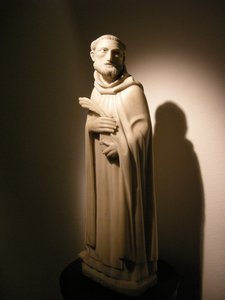
A Journey Through Time Within Milan’s Basilica Museum
The Museo di Sant’Eustorgio stands as a testament to Milanese artistic heritage and spiritual devotion, offering visitors an unparalleled opportunity to immerse themselves in the evolution of art from antiquity to the Renaissance. Located within the magnificent Basilica of Sant’Eustorgius itself—a structure that embodies centuries of history—this museum transcends the conventional boundaries of artistic display; it presents a holistic experience reflecting Milan's cultural soul.
-
Architectural Grandeur:
The basilica’s façade, initially Romanesque and later transformed into Gothic splendor, serves as an immediate backdrop to its extraordinary collection. Its soaring arches and stained glass windows illuminate the artworks housed within, creating an atmosphere of reverence and contemplation.
-
A Legacy Rooted in Antiquity:
Founded upon the ruins of a Roman necropolis, Sant’Eustorgio’s story begins long before Christianity flourished in Lombardy. Exploring the ancient burial grounds provides tangible evidence of Milan's enduring connection to its past—a past that profoundly shaped the artistic sensibilities of subsequent generations.
The Portinari Chapel: A Renaissance Revelation
Undoubtedly, the museum’s centerpiece is Vincenzo Foppa’s Portinari Chapel. Completed in 1495, this chapel embodies the zenith of Lombard Renaissance art and showcases breathtaking illusionistic techniques—a masterful demonstration of perspective and color theory that continues to captivate viewers today. The vibrant frescoes depict scenes from the life of Saint Eustorgius and St. Peter Martyr, capturing the fervor of religious devotion with remarkable detail and emotional resonance. Analyzing Foppa’s meticulous brushstrokes reveals a profound understanding of artistic principles honed over years of experience—principles that exemplify the humanist spirit characteristic of the era.
-
Illusionistic Painting:
The chapel's frescoes employ anamorphic perspective, creating images that appear distorted at first glance but reveal their true form when viewed from a specific vantage point. This technique demonstrates Foppa’s mastery of optical illusion and underscores the Renaissance fascination with scientific observation.
-
Symbolic Representation:
Beyond its technical brilliance, the Portinari Chapel communicates profound theological ideas—primarily centered on the Passion of Christ and the veneration of saints. The artist skillfully integrates symbolic imagery into the composition, conveying spiritual truths through visual metaphors.
Early Christian Treasures & Gothic Sculpture
Beyond the chapel’s luminous splendor lies a captivating collection of early Christian artifacts—sarcophagi adorned with intricate mosaics depicting biblical narratives and sculptures embodying the solemn beauty of Byzantine art. These objects illuminate the formative stages of Christianity in Lombardy, offering insights into artistic conventions and spiritual beliefs prevalent during that era. Simultaneously, visitors can admire Giovanni da Balduccio’s sculptural works—particularly the Shrine of St. Peter Martyr—a monumental masterpiece showcasing the stylistic innovations characteristic of Gothic art. The elongated figures and expressive drapery convey a sense of dynamism and spirituality—reflecting the medieval worldview's preoccupation with divine grace and transcendence.
-
Mosaic Art:
The mosaics adorning the basilica’s interior walls exemplify Byzantine artistic tradition, characterized by tessellated patterns and vibrant colors that evoke a feeling of ethereal splendor. These mosaics depict saints and biblical scenes—serving as visual reminders of Christian faith and piety.
-
Monumental Sculpture:
Giovanni da Balduccio's Shrine embodies the Gothic aesthetic—emphasizing grandeur and emotional intensity through monumental scale and stylized forms. The sculpture’s intricate detailing captures the human form with remarkable accuracy—demonstrating the sculptor’s technical prowess and artistic vision.
Ongoing Research & Artistic Inspiration
The Museo di Sant’Eustorgio actively engages in scholarly research, furthering our understanding of Milanese cultural exchange during the medieval period. Recent explorations have focused on the influence of Byzantine art on Lombard painting—highlighting the interconnectedness of artistic traditions across Europe. Furthermore, ongoing investigations aim to decipher the symbolism embedded within certain frescoes—unlocking hidden narratives and enriching our appreciation for Foppa’s artistic genius. For art enthusiasts, collectors seeking inspiration, and interior designers striving to evoke a sense of serenity and grandeur, Sant’Eustorgio offers a truly exceptional destination—a sanctuary for creativity and contemplation nestled in the heart of Milan.