Menu
CONSULENZA D'ARTE GRATUITA

Museo di San Salvi

Dettagli rapidi

  • Location: Firenze, Italia
  • Works on APS: 2
  • Featured artists:
    • michele di ridolfo del ghirlandaio (michele tosini)
    • Franciabigio
  • Alternate names:
    • Museo di San Salvi
    • Museum of San Salvi
    • San Salvi
    • San Michele a San Salvi
    • Museo della Cena di Andrea del Sarto

A Silent Symphony of Renaissance Splendor: Museo di San Salvi

Nestled within the heart of Florence, Museo di San Salvi stands as a testament to artistic devotion and architectural grace—a sanctuary for those seeking an authentic encounter with the glories of the High Renaissance. More than just a museum, it’s a journey back in time, into the serene walls of what was once a vibrant Vallombrosan abbey, now meticulously preserved to showcase its extraordinary treasures. Its unassuming façade belies the profound artistic legacy housed within, inviting visitors to contemplate masterpieces crafted during one of Europe's most transformative eras.

Historical Roots: The Legacy of Saint Benedict

Founded in the 11th century by Benedictine monks—a tradition rooted in the spiritual principles of Saint Benedict—San Salvi’s story began as a place of prayer and scholarship. Initially conceived as a monastic retreat dedicated to contemplation and theological study, the abbey flourished for centuries, attracting scholars and artists alike. However, it endured significant upheaval during the tumultuous Siege of Florence in 1529, where its original structure suffered considerable damage—a poignant reminder of the fragility of artistic endeavors amidst political turmoil. Remarkably, the church retained its distinctive Latin-cross design and rectangular apse—a deliberate choice reflecting the unwavering faith of its founders and symbolizing their aspiration for divine harmony.

Architectural Marvel: Sant’Ambrogio's Vision

The building’s grandeur is accentuated by Giovanni Battista Sant’Ambrogio’s masterful portico, a monumental structure crafted from Tuscan marble that dominates the entrance plaza. This architectural masterpiece embodies Renaissance ideals of proportion and symmetry—a harmonious blend of classical influences and monastic tradition. Inside, the walls are adorned with frescoes depicting scenes from biblical narratives, illuminated by stained glass windows that bathe the nave in ethereal light—creating an atmosphere conducive to spiritual reflection and artistic appreciation. The careful consideration given to every detail underscores Sant’Ambrogio's commitment to elevating the aesthetic experience of visitors.

The Heartbeat of Florentine Art: Andrea del Sarto’s Last Supper

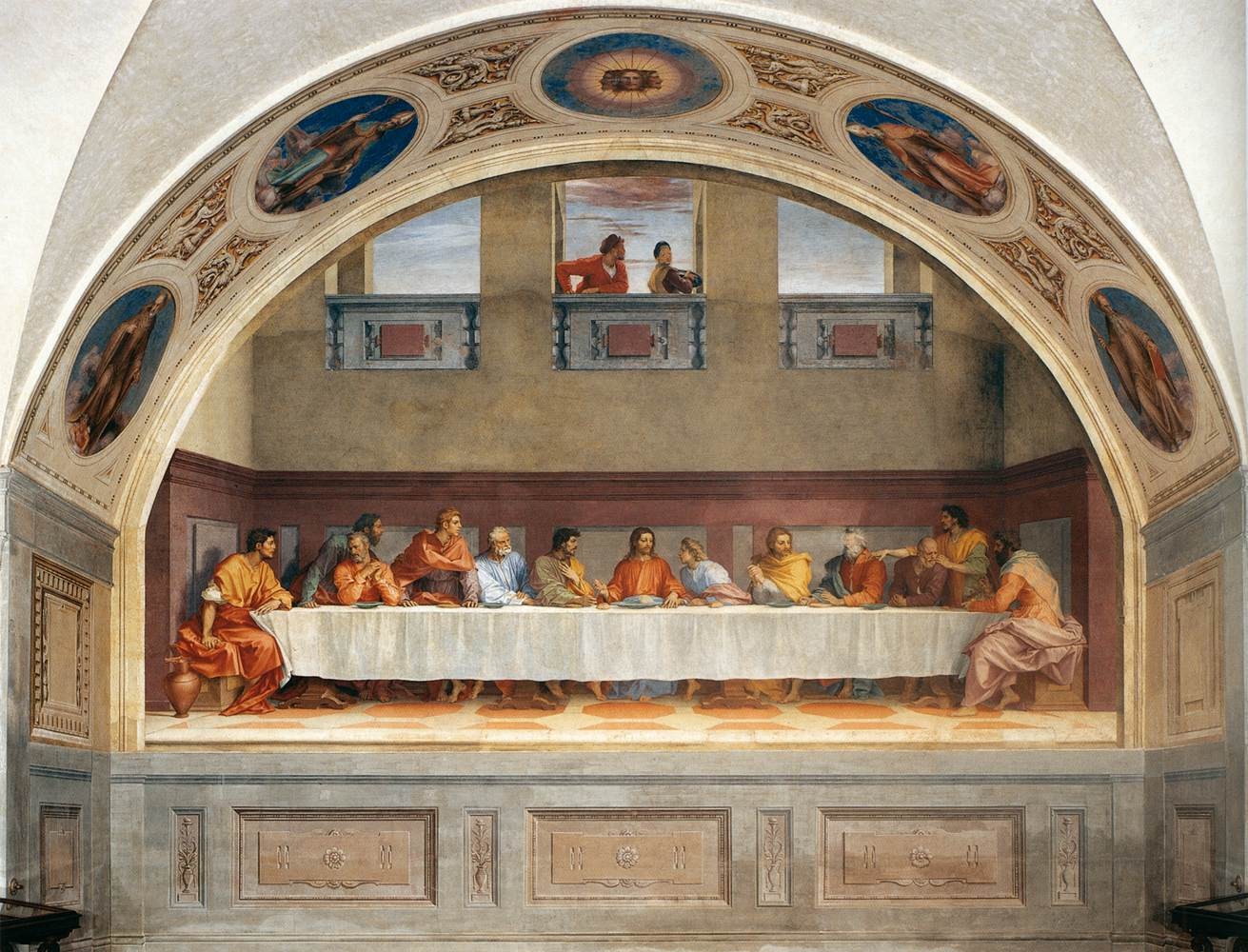
At the Museo di San Salvi’s core resides Andrea del Sarto’s monumental fresco, *The Last Supper*, completed between 1519 and 1527—a cornerstone of Florentine Renaissance art. This ambitious undertaking captures the pivotal moment recounted in Holy Scripture—Jesus sharing his final meal with his disciples—and exemplifies Sarto’s unparalleled mastery of perspective, composition, and psychological realism. As highlighted in , this artwork is a testament to Sarto's genius and continues to inspire awe and admiration centuries later. The fresco’s vibrant colors—particularly the luminous reds and blues—and masterful depiction of human emotion convey a profound sense of drama and spiritual significance.

Beyond the Fresco: Vasari & Pontormo’s Contributions

Complementing Sarto’s masterpiece are works by other luminaries of the Renaissance, including Giorgio Vasari and Jacopo Pontorno—artists who enriched the Museo di San Salvi's collection with paintings that explore themes of spirituality, human emotion, and artistic innovation. Vasari’s canvases depict serene landscapes imbued with symbolic meaning—reflecting the Benedictine monks’ reverence for God’s creation—while Pontormo’s compositions showcase a dramatic interplay of light and shadow—demonstrating his mastery of chiaroscuro technique. These artworks underscore the Museo di San Salvi's commitment to showcasing diverse artistic styles and perspectives.

A Sanctuary for Art Lovers: Exploring Florentine Heritage

Museo di San Salvi offers visitors a unique opportunity to delve into the history of the Vallombrosan order—a monastic institution renowned for its piety and intellectual pursuits. The museum’s exhibits illuminate the influence of historical events, such as the Siege of Florence, on artistic production and architectural preservation. Examining these connections provides invaluable insight into the broader cultural landscape of Renaissance Italy—inspiring contemplation and fostering a deeper appreciation for Florentine artistic heritage.

Catalogo delle opere d'arte

Nessuna opera trovata.