Un'eredità vivente del modernismo lettone
Nel cuore di Riga, nascosto tra le eleganti trame architettoniche di Elizabetes iela, si trova un santuario dove i confini tra vita e arte si dissolvono. Il Museo di Romans Suta e Aleksandra Beļcova è molto più di un semplice deposito di reperti storici; è un portale intimo nell'anima stessa del modernismo lettone. Ospitato nell'antica residenza della leggendaria coppia d'arte, il museo offre un raro incontro domestico con l'avanguardia. Mentre i visitatori varcano le sue soglie, non si limitano a osservare la storia, ma sono invitati ad abitare la stessa atmosfera che un tempo alimentò i dialoghi creativi di due dei visionari più influenti della Lettonia. Lo spazio stesso, preservato con profonda riverenza, funge da testimone silenzioso di un periodo di intensa forgiatura culturale e devozione personale.
L'esistenza del museo è una testimonianza dell'amore duraturo di loro figlia, Tatjana Suta , la cui instancabile dedizione ha garantito che la fiamma creativa dei suoi genitori non venisse mai spenta dalle ombre dell'era sovietica. Questa discendenza personale infonde al museo un senso di sacralità; è un memoriale costruito sulla memoria e su una meticolosa conservazione. Per l'amante dell'arte, offre un tuffo profondo nel panorama socio-politico della Lettonia del periodo tra le due guerre, dove l'identità nazionale veniva reinventata attraverso colori audaci e nuove forme. Per l'interior designer o il collezionista, il museo funge da fonte di ispirazione senza pari, mostrando come le belle arti possano integrarsi perfettamente con il design, la ceramica e l'ambiente domestico per creare uno stile di vita coeso e sofisticato.
Un arazzo di forma e ornamentazione
La collezione è un arazzo mozzafiato di media diversi, che illustra la sconfinata versatilità dei suoi protagonisti. Romans Suta , maestro dell'energia e della forma, presenta opere che pulsano con la vitalità ritmica dell'inizio del XX secolo. I suoi dipinti, profondamente influenzati dal Cubismo e dal Costruttivismo, catturano il movimento dinamico della vita: dal moto impetuoso dei suoi danzatori alla bellezza silenziosa e strutturata delle sue nature morte. Il genio di Suta si estese oltre la tela fino alla trama stessa dell'esistenza quotidiana, manifestandosi in innovative scenografie e arredi che cercavano di ridefinire l'estetica lettone attraverso una lente moderna.
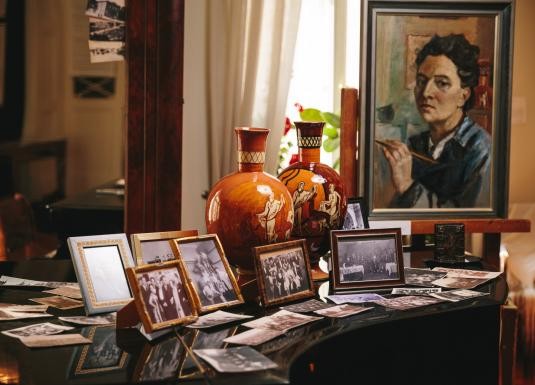
A completare questo vigore strutturale è la delicata maestria ornamentale di Aleksandra Beļcova . I suoi contributi alla ceramica e al tessile trasformano oggetti funzionali in miniature narrative. Ogni pezzo di porcellana e ogni intricato motivo riflettono il suo impegno con i movimenti d'avanguardia europei, fondendo la precisione geometrica con una grazia decorativa squisita che continua a affascinare l'occhio moderno. Passeggiare per queste sale significa vivere un viaggio curato attraverso il tempo e la tecnica, dove l'audacia sorprendente delle opere grafiche di Suta incontra le sottili e intricate narrazioni presenti nelle ceramiche di Beļcova.