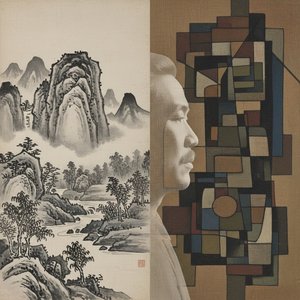
Scopri Min Byeong-Seon, artista coreano e scienziato! Famoso per 'Wishes of May', crea opere astratte uniche che fondono scienza e arte con dettagli intricati e colori vibranti. Esplora la sua visione innovativa!
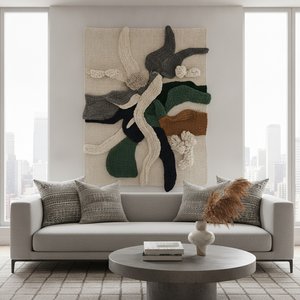
Scopri jon eric riis, artista tessile americano riconosciuto per opere emblematiche come 'Insect Icon Tapestry' e 'Flesh Kimono'. Esplora il suo stile unico e profondi simbolismi che esprimono la bellezza discreta e l'importanza della tradizione tessile contemporanea.
A Tapestry of Tradition: Discovering the Chung Young Yang Embroidery Museum
Nestled on the campus of Sookmyung Women’s University in Seoul, South Korea, lies a sanctuary dedicated to one of humanity’s most delicate and enduring art forms: embroidery. The Chung Young Yang Embroidery Museum isn't merely a repository of exquisite textiles; it is a vibrant testament to cultural heritage, scholarly dedication, and the timeless beauty woven into every thread. Founded in 2004 by Dr. Young Yang Chung, a distinguished textile historian and master embroiderer herself, the museum stands as a beacon for those seeking to understand the profound artistry embedded within East Asian needlework.
A Legacy Woven in Silk
Dr. Chung’s lifelong passion forms the very heart of this institution. Her tireless research into Korean embroidery traditions—spanning centuries of artistic evolution—and unwavering commitment to preserving these techniques are palpable throughout the museum's thoughtfully arranged galleries. The collection boasts an astonishing breadth, encompassing not only Korean embroideries but also textiles originating from China and Japan – a comparative panorama that illuminates the shared aesthetic sensibilities across East Asian cultures. Ancient silk embroideries depict scenes of regal splendor: emperors presiding over ceremonies, mythical creatures embodying auspicious symbols, and blossoming landscapes reflecting idealized notions of harmony and prosperity. Each stitch is imbued with meticulous detail, demonstrating the extraordinary skill of artisans who painstakingly layered silk threads to achieve breathtaking visual effects. These weren’t simply utilitarian garments; they were wearable expressions of power and prestige—objects designed to convey messages of authority and commemorate momentous occasions.
Where Tradition Meets Modernity
The museum building itself embodies this harmonious blend of past and present. Designed with respect for Korean architectural principles – subtle curves in the roofline mirroring natural contours, the use of warm-toned wood reflecting the serenity of Korean landscapes – it simultaneously incorporates contemporary design elements that foster an atmosphere of openness and contemplation. Large windows bathe the galleries in diffused sunlight, illuminating the textiles and encouraging visitors to appreciate their intricate beauty. The interior spaces are thoughtfully configured to facilitate scholarly study and artistic engagement, creating a welcoming environment for both seasoned connoisseurs and aspiring learners alike. This careful consideration of space and materiality underscores the museum’s core mission: to honor its heritage while fostering dialogue between tradition and innovation—a commitment that resonates throughout every aspect of the visitor experience.
Notable Exhibitions & Ongoing Research
The Chung Young Yang Embroidery Museum distinguishes itself through its ambitious programming—regular exhibitions delve into diverse themes, ranging from the evolution of Korean royal embroidery styles to the influence of European artistic movements on East Asian textile production. Recent displays have explored innovative techniques for analyzing fabric structures using advanced imaging technologies, furthering Dr. Chung’s pioneering research into the history and artistry of dyeing processes. Collaborations with international scholars contribute to a broader understanding of embroidery traditions worldwide—a testament to the museum's role as a center for scholarly exchange and artistic inspiration.
A Unique Cultural Gem
What truly sets the Chung Young Yang Embroidery Museum apart is its singular focus—it stands as one of the few institutions in Korea –and indeed, globally–dedicated exclusively to the art of embroidery and textiles. This specialization allows for an unparalleled depth of exploration, offering visitors a comprehensive overview of the history, techniques, and cultural significance of this often-underappreciated art form. The museum’s dedication to bridging tradition and innovation, coupled with Dr. Chung's international recognition as a scholar, cements its position as a truly exceptional destination for anyone interested in East Asian art heritage or simply captivated by the exquisite beauty of handcrafted artistry—a place where the legacy of Korean embroidery continues to inspire creativity and scholarly pursuit.
Address: Sookmyung Women’s University Campus, Seoul
Website: http://www.youngyangchung.com/
A cura del team editoriale di OriginalUniqueArt.com
Quiz d'arte
Per ogni domanda è presente una sola risposta corretta.
Domanda 1:
Qual è lo scopo principale del Museo dell'Intaglio di Chung Young Yang?
Domanda 2:
Chi ha fondato il Museo dell'Intaglio di Chung Young Yang?
Domanda 3:
Lo stile architettonico del museo edificio è caratterizzato da:
Domanda 4:
Le esposizioni del museo si concentrano principalmente su:
Domanda 5:
Cosa distingue il Museo dell'Intaglio di Chung Young Yang dagli altri musei dedicati alle arti tessili a livello globale?
Embark on a sophisticated journey through the tactile realm of textile art. Unveil the historical evolution from utilitarian craft to museum-grade masterpieces, exploring the intricate textures and legendary artists that redefine the boundaries of fine art.
Explore the captivating world of Yi Eungro (Lee Ungno), a pivotal figure in Korean modernism. Discover his unique fusion of Eastern and Western artistic traditions, abstract masterpieces, and lasting legacy. A must-read for discerning art collectors.
Discover why textile art is the next major trend in interior design. Explore how tactile fibers, bold textures, and sustainable mixed media are redefining modern urban spaces and bringing high-impact energy to contemporary collections.