Un Arazzo del Tempo: L'Anima della Renania
Varcare la soglia del Rheinisches Landesmuseum Bonn significa intraprendere un viaggio profondo nell'essenza stessa dell'esistenza umana, dove i confini tra l'archeologia antica e le belle arti si dissolvono in un'unica, maestosa narrazione. Come una delle istituzioni più antiche e venerabili della Germania, questo museo non si limita a esporre oggetti; esso infonde vita agli strati di storia che hanno plasmato la Renania. L'aria tra le sue mura sembra carica del peso dei millenni, invitando il visitatore curioso a vagare attraverso un paesaggio curato dove gli echi primitivi dell'Età della Pietra incontrano la sofisticata eleganza del Rinascimento europeo. È un santuario per coloro che trovano la bellezza nella continuità della vita, offrendo una rara opportunità per testimoniare l'evoluzione dell'ingegno umano, dai primi strumenti dei nostri antenati alle maestose pennellate dei Grandi Maestri.
La presenza architettonica del museo è un dialogo sorprendente tra epoche, incarnando uno spirito resiliente che è sopravvissuto ai tumulti del XX secolo. Dopo la devastazione della Seconda Guerra Mondiale, la struttura è stata meticolosamente ricostruita, dando vita a una magnifica fusione di grandezza neoclassica e design moderno e funzionale. Questa armonia architettonica funge da palcoscenamente perfetto per le sue diverse collezioni, dove luce e spazio sono utilizzati per creare un ambiente immersivo. Per l'amante dell'arte o il designer d'interni, l'estetica del museo — un'integrazione perfetta tra peso storico e chiarezza contemporanea — offre un'ispirazione infinita, riflettendo un equilibrio sofisticato tra tradizione e innovazione che è esso stesso un'opera d'arte, tanto quanto i tesori che ospita.
Dalle Ombre Primordiali alle Età dell'Oro
Il vero cuore pulsante del Rheinisches Landesmuseum risiede nella sua ineguagliabile capacità di accostare il monumentale all'intimo. Nelle gallerie preistoriche, si incontra la presenza inquietante di Neanderthal 1 , un esemplare cruciale che offre una connessione viscerale con i nostri lontani cugini evolutivi. Questa esplorazione primordiale è bilanciata dallo splendore squisito dell'antichità romana, dove le copie policrome della Colonna di Igel e gli affreschi ricostruiti di Neumagen-Dhron trasportano lo spettatore nei vivaci centri urbani, baciati dal sole, dell'Impero Romano. Questi reperti, che spaziano da intricati gioielli celtici a imponenti busti in marmo, fungono da testimonianza dell'enduring maestria e della complessità culturale degli antichi abitanti della regione.
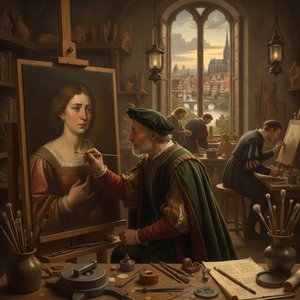
Eppure, l'incanto del museo si estende ben oltre l'archeologia, entrando nel regno del puro piacere estetico. La leggendaria Collezione Wesendonck rappresenta un punto di luce straordinario, portando una ricchezza di capolavori olandesi e fiamminghi nel cuore di Bonn. Qui, lo spettatore può smarrirsi nelle delicate trame delle nature morte del XVII secolo, nella profondità atmosferica dei paesaggi di Van Goyen e nelle affascinanti scene di genere di Bruegel e Teniers. Questa collezione trasforma il museo in una galleria di luce e colore, dove la storia socio-culturale dell' "Età dell'Oro" diventa visibile attraverso ogni petalo e ombra meticolosamente dipinti. È questa coesistenza unica — l'accostamento di un dipinto magistrale accanto a uno strumento antico — che definisce il carattere del museo, ricordandoci che l'arte e la vita sono sempre state inestricabilmente legate.
Un'Eredità Immersiva per l'Era Moderna
Ciò che distingue veramente il Rheinisches Landesmuseum Bonn è il suo impegno nel rendere la storia un'esperienza viva e pulsante. Attraverso innovative presentazioni multimediali come “Nel Regno delle Ombre” , il museo trascende i confini tradizionali di una mostra statica, utilizzando immagini coinvolgenti e simulazioni interattive per illuminare i misteri del passato. Questa dedizione al coinvolgimento assicura che il museo rimanga un punto di riferimento culturale vitale, non solo per studiosi e storici, ma anche per famiglie e collezionisti alla ricerca di una connessione più profonda con il nostro patrimonio condiviso. Che si esplorino le profondità tematiche di "Dagli Dei a Dio" o ci si meravigli davanti alle intricate mappe di Rigobert Bonne, ogni angolo del museo offre una nuova scoperta, rendendolo una destinazione essenziale per chiunque sia emozionato dalla magia duratura della creatività umana.