Menu
CONSULENZA D'ARTE GRATUITA

Museo del fiume e del canottaggio

Dettagli rapidi

  • Featured artists:
    • Frederick Waters Watts
    • John Piper
    • Jan Siberechts
    • Nick Schlee
    • chris gollon
  • Art types: opere d'arte da parete
  • Location: Thames, Nuova Zelanda
  • Movements: impressionistic landscape
  • Espandi dettagli…
  • Works on APS: 12
  • Mediums: acrilico su tela
  • Alternate names:
    • Museo del Fiume - Museo della Canottiera
    • Museo della Canottiera
    • Museo del fiume e del canottaggio

Quiz d'arte

Per ogni domanda è presente una sola risposta corretta.

Domanda 1:
Qual è il principale obiettivo della narrazione raccontata dal Museo del fiume e del canottaggio?
Domanda 2:
Come contribuisce l’architettura del museo all’esperienza complessiva?
Domanda 3:
Oltre agli strumenti da canottaggio, quali altri tipi di manufatti sono inclusi nella collezione del museo?
Domanda 4:
Qual è una caratteristica distintiva dell'opera d’arte esposta nel museo?
Domanda 5:
Perché il Museo del fiume e del canottaggio è considerato una tappa imperdibile per appassionati e famiglie?

Echoes of Oars and Artistic Visions: Exploring the River – Rowing Museum

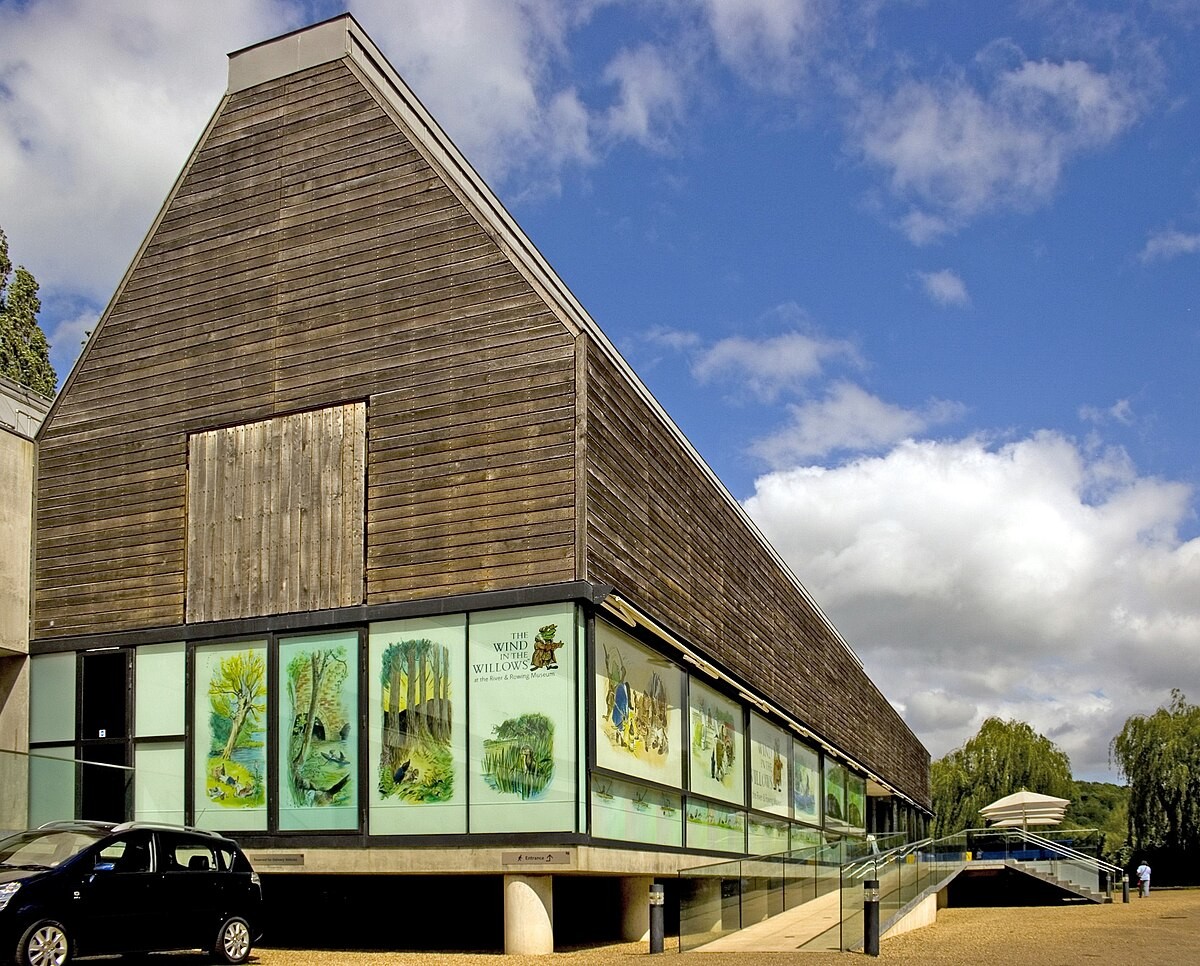
The River – Rowing Museum stands as a singular beacon illuminating New Zealand’s cultural heritage—a place where the rhythmic splash of oars intertwines with the evocative brushstrokes of artistic interpretation. Located in Thames, nestled along the tranquil Waikato River, this institution isn't merely a repository of sporting memorabilia; it’s an immersive experience designed to transport visitors back in time and inspire contemplation on the enduring connection between humanity and water. Founded with a profound respect for tradition and innovation, the museum distinguishes itself by recognizing rowing not just as a sport but as a cornerstone of New Zealand’s identity—a narrative enriched by stunning visual representations that capture moments of triumph and quiet perseverance. A Collection That Speaks Volumes The museum's core strength resides in its meticulously curated collection, which transcends conventional categorization to encompass a breathtaking panorama of maritime history alongside rowing achievements. From exquisitely crafted watercraft models – painstakingly recreated replicas of vessels from bygone eras—to antique oars bearing the marks of countless races and expeditions, each item tells a story and contributes to a richer understanding of New Zealand’s relationship with the sea. But perhaps the most captivating treasures are those artistic interpretations that illuminate the spirit of rowing's heritage. Consider John Edgar Platt’s ‘Wartime Traffic,’ an Impressionistic oil painting depicting river activity during London’s Blitz—a poignant visual record of resilience and determination amidst adversity. Platt’s masterful technique captures the atmospheric beauty of the waterway, mirroring the focus and discipline demanded by rowing itself – a testament to art's ability to convey emotion through visual medium. Architectural Harmony: A Vessel for Reflection The museum’s architecture is intrinsically linked to its subject matter—a deliberate choice reflecting the ethos of exploration and contemplation that defines both rowing and New Zealand’s maritime heritage. Designed with an eye toward maximizing natural light and creating expansive spaces mirroring the boats within, the building embodies a modernist aesthetic tempered by functional elegance. The open layout encourages visitors to engage with the exhibits on a visceral level—to feel the cool air circulating through the galleries and gaze upon breathtaking vistas of the Waikato River. This isn’t simply a structure; it's a vessel itself—a space conceived to inspire awe and reflection, mirroring the serenity and purposeful movement associated with rowing. Historical Significance: From Pioneer Trades to War Memorial Honors Established in 1988, The Thames School of Mines & Mineralogical Museum quickly gained renown for its dedication to preserving New Zealand’s maritime legacy alongside rowing traditions—a mission underscored by its location along the river and its commitment to fostering dialogue between history and art. Its origins lie in a desire to honor Thamesites who served valiantly during both World Wars, recognizing their contribution to national resilience and commemorating their sacrifices with solemn remembrance. The museum's narrative extends beyond individual achievements; it chronicles the evolution of Thames’s trades—from pioneering farming practices to the establishment of Thames Hospital—illuminating the multifaceted tapestry of life in this historic region. Furthermore, a recent addition – the Taonga Maori Gallery – created in full consultation with Ngati Maru iwi – represents a significant step forward in acknowledging and celebrating Māori heritage alongside New Zealand’s broader cultural narrative. A Destination for Art Enthusiasts and Collectors The River – Rowing Museum distinguishes itself as a singular destination for anyone interested in exploring New Zealand's maritime heritage alongside its rowing traditions—a place where visitors can immerse themselves in captivating stories and discover remarkable artistic interpretations. Its thoughtfully curated collection—spanning from antique oars to contemporary sculptures—offers unparalleled insight into the cultural significance of water and rowing within Aotearoa’s history and identity. Don’t miss the opportunity to witness firsthand the legacy of John Edgar Platt's evocative paintings, capturing moments of wartime London with breathtaking artistry – a testament to art’s ability to convey emotion through visual medium.

Catalogo delle opere d'arte

Nessuna opera trovata.