Un Santuario di Sovranità e Spirito
Immerso ai piedi delle maestose montagne della Sierra Nevada, dove l'aria porta con sé il peso dei secoli, il Museo de la Capilla Real di Granada si erge come una profonda testimonianzione dell'alba dell'Età dell'Oro spagnola. Questo non è un semplice deposito di reperti, ma un viaggio immersivo nel cuore della grandezza del Rinascimento spagnolo e della pietà regale. In quanto luogo di riposo eterno dei Re Cattolici, Ferdinando II d'Aragona e Isabella I di Castiglia, la cappella funge da ponte monumentale tra le epoche, ancorando l'anima storica di Granada al più ampio arazzo della storia europea. Varcare le sue mura significa entrare in uno spazio dove le ambizioni terrene di una Spagna unificata incontrano le aspirazioni eterne dei fedeli.
L'architettura stessa mette in scena una danza affascinante di tensione e armonia stilistica. L'esterno presenta un'eleganza sobria, quasi umile, che cela lo splendore mozzafiato che attende all'interno. Costruita principalmente all'inizio del XVI secolo sotto il patrocinio di Carlo V, la struttura incarna una sintesi magistrale tra la tradizione gotica e l'innovazione rinascimentale. I visitatori rimangono spesso colpiti dalle volte altissime, che si innalzano come preghiere di pietra verso il cielo, adornate da intagli intricati che catturano la luce filtrata dalle magnifiche vetrate colorate. Questa deliberata giustapposizione di stili riflette un'epoca di profonda transizione, in cui la forza strutturale del Medioevo iniziò a cedere alla grazia umanistica e alla precisione geometrica del Rinascimento.
Tesori d'Oro e di Grazia
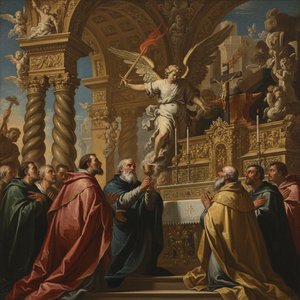
Oltre la sua struttura architettonica, il museo custodisce una collezione che funge da luminosa finestra sulle tendenze artistiche del XVI secolo. Le gallerie del museo sono un dialogo curato tra maestri spagnoli, fiamminghi e italiani, che espongono dipinti religiosi capaci di utilizzare luce e ombra per trasmettere profonde narrazioni spirituali. Queste opere fanno molto più che ritrarre scene bibliche; esse catturano l'essenza stessa dell'emozione umana e della presenza divina, rendendole indispensabili per ogni amante dell'arte classica. Per il collezionista esperto o il designer d'interni, questi pezzi rappresentano l'apice della tecnica narrativa e della maestria nel pigmento, offrendo un senso di atemporalità capace di trasformare qualsiasi spazio in un santuario di contemplazione.
La Sacrestia-Museo offre forse l'incontro più intimo con l'opulenza della corte spagnola. Qui, l'attenzione si sposta dalla tela alla brillantezza tattile dei metalli preziosi e dei tessuti pregiati. La collezione di oggetti liturgici — calici, ostensori e paramenti realizzati in oro, smalto e pietre preziose — fornisce una prova tangibile dello stile di vita sfarzoso e del fervore religioso che hanno definito il regno di Isabella e Ferdinando. Questi tesori non sono meramente decorativi; sono simboli di un periodo in cui l'artigianato era un atto di devozione. L'interazione della luce sull'oro lucido e le delicate trame dei tessuti storici creano un'atmosfera di lusso senza pari, invitando gli osservatori a meravigliarsi della meticolosa abilità degli artigiani rinascimentali.
Un'Eredità Incisa nella Pietra e nella Memoria
Il significato del Museo de la Capilla Real si estende ben oltre i suoi confini fisici, agendo come pietra angolare dell'identità andalusa. Esso rappresenta un luogo in cui la complessa storia di Granada — una città plasmata dall'influenza moresca e successivamente trasformata dalla conquista cristiana — è incisa in ogni pietra. La cappella fu commissionata per commemorare il completamento della Reconquista e per onorare la stirpe dei monarchi, rendendola un sito sacro della memoria nazionale. Passeggiando tra le sue sale, gli echi della dinastia Nasride e il successivo innalzamento dell'Impero Spagnolo sono palpabili, offrendo un ricco contesto storico che arricchisce la visione di ogni dipinto e reliquia.
Per coloro che cercano l'ispirazione nell'intersezione tra storia e arte, il museo offre un'esperienza senza paragoni. È un luogo in cui il pesante peso della storia sembra alleggerito dalla bellezza della creazione umana. Che si sia attratti dalla tensione drammatica dei suoi capolavori rinascimentali, dall'intricato dettaglio della sua oreficeria o dal profondo racconto architettonico del suo stile isabellino, il Museo de la Capilla Real rimane un pellegrinaggio essenziale per chiunque sia catturato dal potere duraturo dell'arte nel definire una civiltà.