A Glimpse into Old Bologna: Museo Davia Bargellini
The Museo Davia Bargellini in Bologna, Italy, offers a captivating journey through the city’s artistic and cultural heritage. Housed within the magnificent Palazzo Davìa Bargellini—a testament to Baroque grandeur—this museum transcends the role of mere gallery; it serves as a window into the lives and tastes of Bolognese nobility, reflecting the spirit of an era defined by patronage and artistic innovation. Constructed in 1638 by Camillo Bargellini, a Senatorial family member, the palazzo stands as a symbol of Bolognese civic pride—its façade adorned with colossal statues sculpted by Gabriele Brunelli and Francesco Agnesini – figures that embody strength and prestige. The building’s history intertwines with tales of prominent Bolognese lineages who commissioned opulent interiors and amassed impressive collections of art and decorative objects, demonstrating Bologna's enduring legacy as a center for artistic excellence.
Architecture & History
The Palazzo Davia Bargellini itself is a Baroque masterpiece conceived by architect Bartolomeo Provaglia—a bold departure from classical architectural norms—who sought to express grandeur and solidity through monumental proportions and innovative structural design. Notable for its impressive entrance featuring two colossal statues – “giganti” – sculpted by Gabriele Brunelli and Francesco Agnesini – figures that embody strength and civic pride—the palace showcases intricate architectural details throughout, demonstrating the skill of artisans working under Carlo Francesco Dotti and Alfonso Torreggiani during the 18th century. The palazzo’s history is inextricably linked to the fortunes of Bolognese families who commissioned lavish embellishments and amassed collections reflecting their refined sensibilities. Its enduring presence speaks volumes about Bologna's commitment to preserving its architectural heritage—a legacy that continues to inspire artists and designers today.
Collections & Specializations
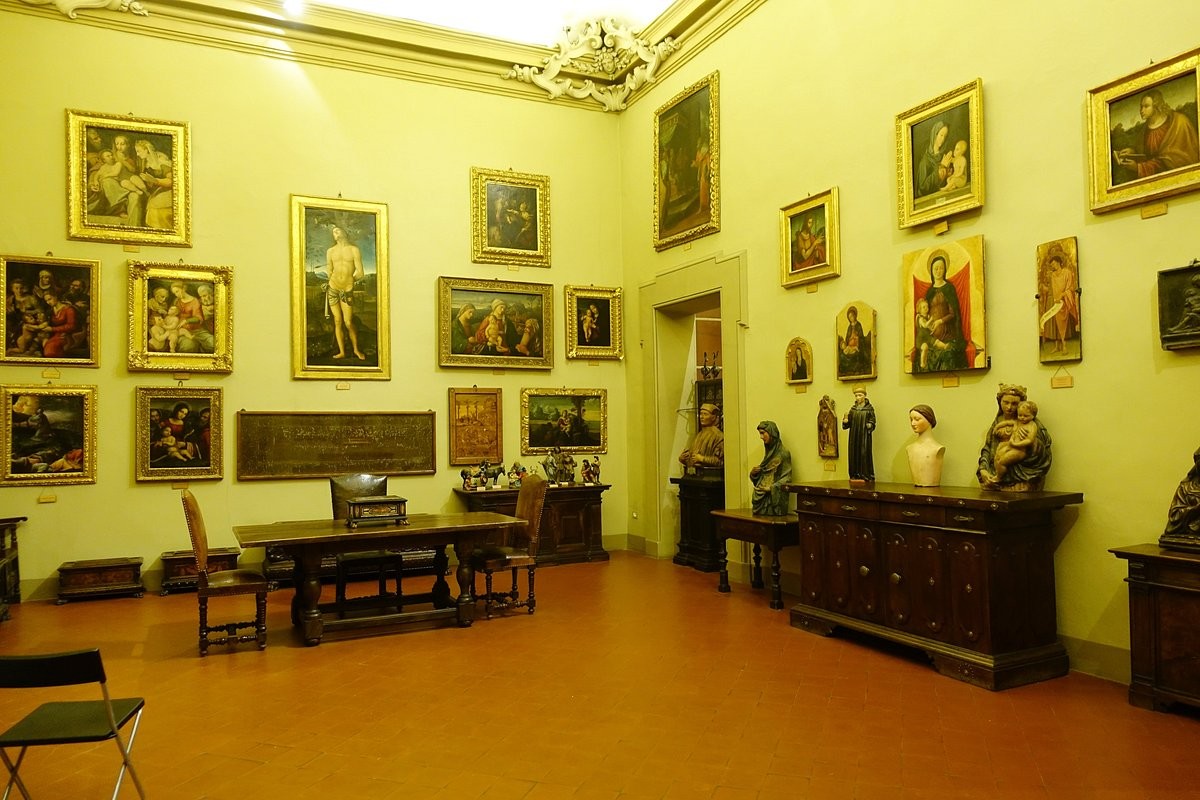
The museum’s eclectic collection reflects a passion for both fine art and applied arts, presenting a remarkable panorama of artistic expression spanning from the medieval period to the 19th century. It’s particularly renowned for its paintings—featuring masterpieces by Vitale da Bologna, Simone dei Crocifissi, Cristoforo da Bologna and Giuseppe Maria Crespi—artists who captured the essence of their time with masterful technique and emotive storytelling. Beyond painting, the museum boasts an extraordinary assortment of objects showcasing craftsmanship: ceramics reflecting Bolognese traditions, liturgical robes imbued with religious symbolism, keys symbolizing authority and prestige, ornate door knobs crafted with meticulous detail, marionettes from street theaters transporting viewers back to Bologna’s vibrant past—objects that offer glimpses into daily life and social customs. Furthermore, sculptures—busts and statuettes for presepi—enrich the museum’s artistic offerings, reflecting Bolognese devotion and artistic creativity. The palazzo's collection includes a rare gilded carriage – a symbol of aristocratic status and lavish celebration – meticulously crafted by renowned artisans of the Baroque period.
Notable Exhibitions & Research
Throughout its history, Museo Davia Bargellini has hosted exhibitions showcasing both Bolognese art treasures and international masterpieces—illuminating connections between artistic movements and fostering dialogue across cultures. Recent initiatives have focused on exploring themes of patronage and artistic innovation—examining how wealthy families shaped the visual landscape of Bologna during the Renaissance and Baroque eras. Researchers from universities worldwide collaborate with museum curators to decipher provenance records and analyze stylistic influences—revealing new insights into the creation and dissemination of art throughout Europe.
What Makes it Unique
The Museo Davia Bargellini distinguishes itself through its singular blend of art history and decorative arts—a rare combination that sets it apart from many other museums in Italy. Unlike institutions primarily dedicated to displaying monumental sculptures or solely showcasing Renaissance paintings, this museum embraces a broader spectrum of artistic expression—reflecting the multifaceted tastes and sensibilities of Bolognese society during its formative centuries. Its origins as a private collection assembled by the Davìa Bargellini families contribute to its intimate atmosphere—a palpable connection to the passions and aspirations of aristocratic patrons who sought to surround themselves with beauty and refinement. The museum’s curators have painstakingly researched provenance records and analyzed stylistic influences—offering visitors unparalleled insight into Bologna's artistic landscape during the Renaissance and Baroque periods.