A Catalan Tapestry: Unveiling Artistic Heritage at the Girona Art Museum
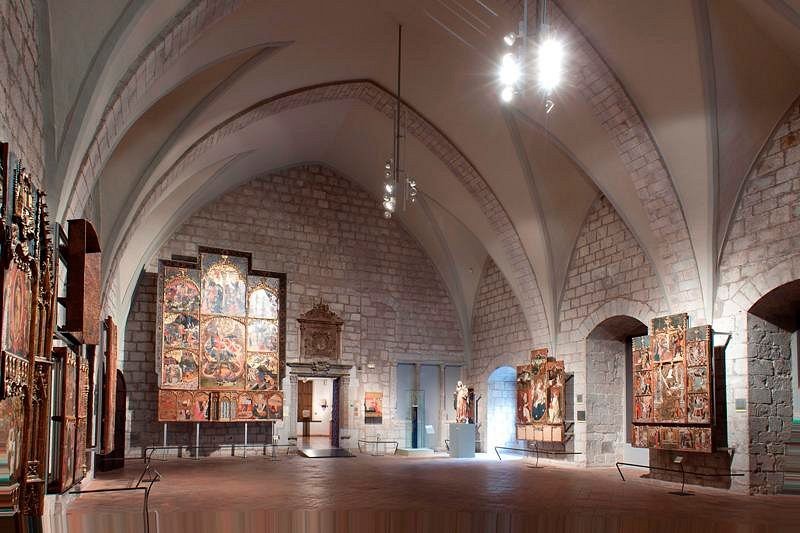
Nestled within the ancient heart of Girona, Catalonia, the Museu d'Art de Girona is more than a repository of artistic treasures; it’s an immersive journey through centuries of Catalan creativity. Housed in the majestic Episcopal Palace – a building that itself whispers tales of history and faith – the museum offers visitors a unique opportunity to connect with the region’s rich cultural legacy. The palace, a stunning architectural blend of Romanesque, Gothic, and Baroque styles, provides a breathtaking backdrop for an artistic narrative that unfolds from the solemn beauty of Romanesque manuscripts to the vibrant expressions of early 20th-century painting. To wander its halls is to walk through time, witnessing the evolution of Catalan artistry shaped by religious devotion, societal shifts, and individual genius.
Echoes of Faith and Artistic Flourishing
The museum’s collection is remarkably comprehensive, charting a course through pivotal periods in Catalan art history. The Romanesque holdings are particularly significant, boasting an exceptional array of illuminated manuscripts, sculptures, and religious artifacts dating from the 10th to the 12th centuries. Among these treasures, the *Martyrology of Usuard* (9th century) stands out – a rare and exquisitely detailed manuscript offering a captivating glimpse into medieval religious practices and the artistry dedicated to sacred texts. The meticulous craftsmanship evident in its gilded leaf illuminations speaks volumes about the spiritual fervor of the time, reflecting the profound influence of monastic piety on artistic production. As one moves forward in time, the Gothic masterpieces come into view, showcasing altarpieces and paintings that exemplify the grandeur and symbolic richness of the era. These works aren’t merely decorative; they are windows into the beliefs and values of a society deeply intertwined with its faith – narratives rendered in stained glass, sculpted figures conveying solemn piety, and pigments chosen to evoke spiritual contemplation.
Masters of Catalonia: A Legacy in Brushstrokes
The Girona Art Museum doesn't simply present artistic movements; it honors the individual masters who shaped them. The collection features significant works by renowned Catalan artists such as Joan Antigó, Honorat Borrassà, Francesc Vergós, and Joaquim Pla i Cargol. Each artist brings a unique voice to the narrative, reflecting their personal style and the prevailing aesthetic currents of their time. Exploring these paintings and sculptures allows visitors to appreciate not only the technical prowess of these artists but also their ability to capture the essence of Catalan identity and experience. Joan Antigó’s landscapes, imbued with melancholic beauty, exemplify the Romantic sensibility prevalent in Catalonia during the 19th century, while Honorat Borrassà's altarpieces demonstrate a masterful command of perspective and color – techniques honed through years of study and practice.
A Palace Steeped in History: More Than Just Walls
The very structure of the Museu d'Art de Girona contributes significantly to its allure. The Episcopal Palace, with roots stretching back to the 12th century, has witnessed centuries of Catalan history unfold within its walls. Originally a defensive stronghold, it evolved into a symbol of ecclesiastical power and now serves as a sanctuary for artistic expression. Visitors can explore remnants of the palace’s past – including the former gaol where priests were once imprisoned – adding layers of historical context to their art viewing experience. The museum's gardens offer a tranquil respite, providing an opportunity to reflect on the beauty encountered within its halls and appreciate the architectural grandeur surrounding them. These meticulously landscaped grounds serve as a visual counterpoint to the artistic treasures housed inside, creating a harmonious blend of nature and culture that underscores Girona’s enduring heritage.
Notable Exhibitions & Ongoing Research: Illuminating Catalan Art History
Recent exhibitions have shone new light on lesser-known facets of Catalan art history, delving into themes of Catalan identity and exploring connections between art and social change. Particularly noteworthy was “Catalan Gothic Painting,” which examined the stylistic innovations of artists working during the High Gothic period – a testament to Girona’s role as a center for artistic creativity. Furthermore, ongoing research initiatives aim to deepen our understanding of Catalan artistic traditions, utilizing cutting-edge techniques to analyze pigments and materials—revealing insights into the artistic practices of bygone eras.
-
Website: https://museuartcat/
A Cultural Beacon: Preserving Catalonia’s Artistic Soul
The Girona Art Museum is not merely a place to view beautiful objects; it's an active participant in preserving and promoting Catalan cultural heritage. Through its carefully curated exhibitions, educational programs, and ongoing research initiatives, the museum plays a vital role in ensuring that future generations can appreciate the artistic contributions of this vibrant region. Whether you are an art aficionado, a history enthusiast, or simply curious about Catalan culture, a visit to the Museu d'Art de Girona promises an enriching and unforgettable experience – a journey into the heart of Catalonia’s artistic soul.