



Una Cronaca Vivente di Ambizione Imperiale
Nel cuore storico di Taganrog, dove l'aria salmastra del Mar d'Azov incontra l'eredità duratura della visione marittima di Pietro il Grande, sorge un santuario di profonda densità culturale. Il Museo d'Arte di Taganrog è molto più di un semplice deposito di reperti; è una narrazione vibrante e pulsante dello spirito russo. Fondato nella sua forma moderna nel 1968, ma attingendo a una collezione le cui radici risalgono alla fine del XIX secolo, il museo si erge come testimonianza della grandezza imperiale della città e del suo ruolo di porta tra mondi diversi.Vagare tra le sue sale significa intraprendere un viaggio nel tempo, dove gli echi architettonici del patrimonio marittimo di Taganrog fanno da maestoso sfondo a un assemblaggio straordinario di creatività umana. Per il collezionista esperto o l'interior designer, il museo offre una lezione magistrale su come la storia e l'arte si fondano per creare un'atmosfera di eleganza senza tempo e di peso storico.
Dall'Iconografia Sacra alla Lente Realista
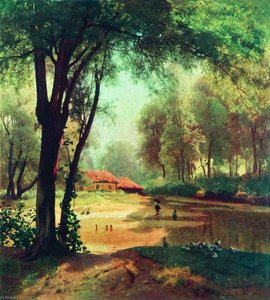
La collezione del museo offre una transizione mozzafiato dal celeste al terrestre. È impossibile non lasciarsi commuovere dal profondo paesaggio spirituale presentato attraverso le icone del XVII e XVIII secolo . Questi pezzi meticolosamente realizzati, intrisi di un profondo simbolismo teologico, offrono una finestra impareggiabile sull'anima della Russia primordiale, mostrando un livello di maestria che trascende la mera decorazione per diventare un vero atto di devozione.Proseguendo attraverso le gallerie, questa atmosfera sacra cede il passo al potere evocativo del Realismo del XIX secolo . Qui, artisti come Nikanor Grigorievich Chernetsov infondono vita alla tela, catturando l'essenza cruda dell'esistenza rurale e i paesaggi drammatici e vasti della campagna russa. Queste opere non si limitano a ritrarre scene; esse catturano l'atmosfera stessa — la luce, la lotta e la quieta dignità di un'epoca passata — rendendole indispensabili per qualsiasi collezione che cerchi un'arte capace di risuonare con verità emotiva e ricchezza materica.
Echi della Storia e l'Eredità Sovietica
Oltre il classico e il realista, il museo preserva le struggenti complessità dell'era sovietica. Questo periodo si riflette non solo nelle opere prodotte durante l'apice del Realismo Socialista , ma anche nell'unica collezione del museo di monumenti sepolcrali salvati dal Vecchio Cimitero. Questi manufatti fungono da legami di una bellezza inquietante con le pratiche funerarie storiche e le sensibilità estetiche di un'età perduta, fornendo un contrappunto sobrio ma affascinante ai paesaggi più vivaci.Persino attraverso le ombre della storia — incluso il tragico saccheggio della collezione durante l'occupazione degli anni '40 — il museo è emerso come un simbolo resiliente di preservazione culturale. Rimane un luogo in cui movimenti disparati, dall'eleganza barocca alle narrazioni strutturate del periodo sovietico, vengono sintetizzati in un'esperienza singolare e potente, invitando ogni visitatore a contemplare il multiforme e duraturo arazzo del patrimonio artistico russo.


