Musei Civici di Pavia: A Journey Through Lombardy’s Artistic Soul
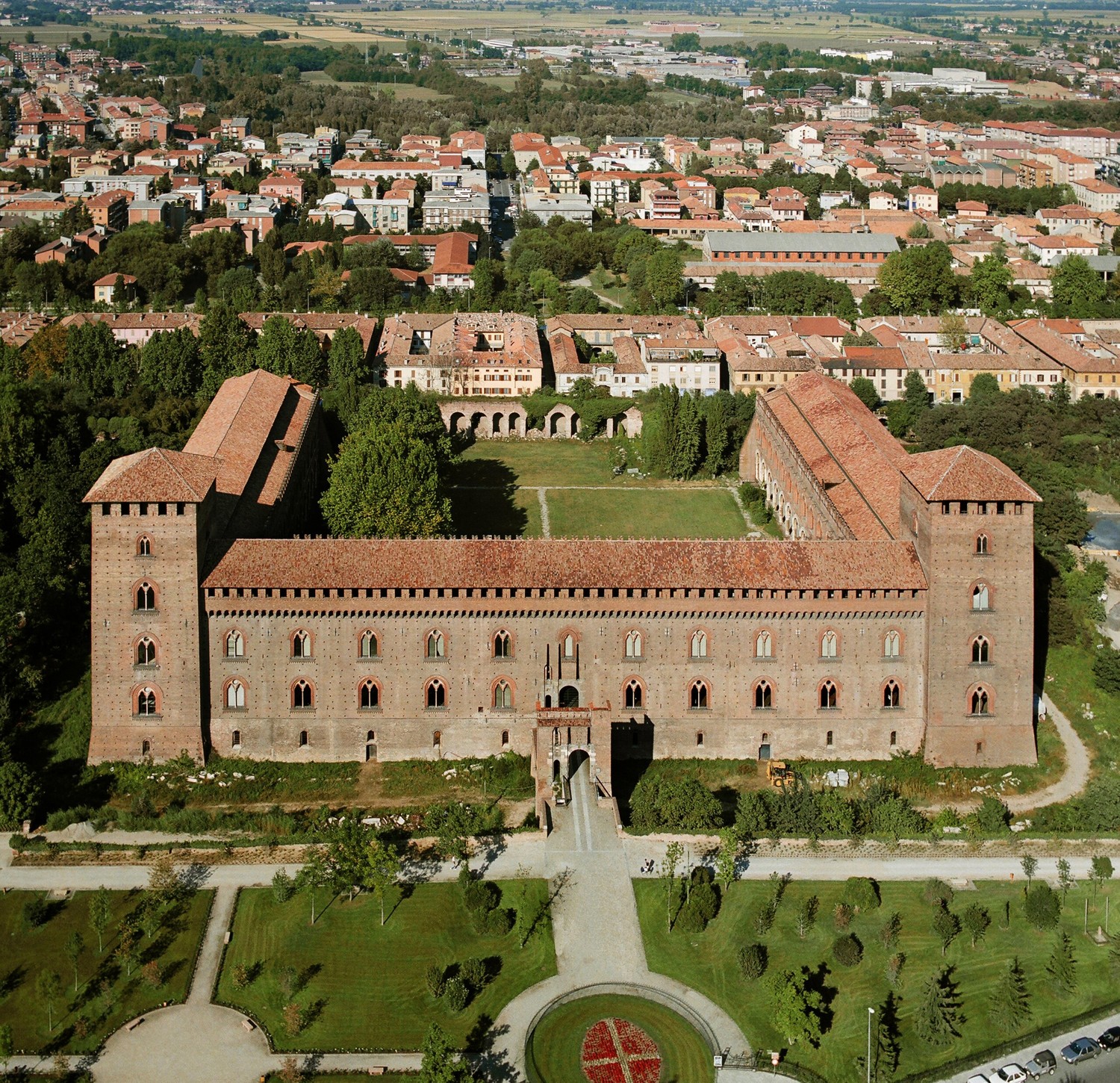
The Musei Civici di Pavia, nestled within the imposing Visconti Castle—a testament to medieval power and architectural grandeur—offer an unparalleled exploration of Lombardy’s artistic heritage. Constructed in 1360 by Galeazzo II Visconti as a symbol of his dominion, this castle stands as a cornerstone of Pavia’s history, witnessing pivotal moments from the Battle of Pavia to the dawn of Italian unification. More than just bricks and mortar, it embodies centuries of cultural evolution, meticulously preserved within its walls and brought to life through a remarkable collection spanning antiquity to the Renaissance.
A Legacy Built on Patronage and Discovery
The museum’s origins lie in the generous bequest of Marquis Luigi Malaspina di Sannazzaro, whose art collections formed its initial nucleus. Recognizing Pavia’s significance as a crossroads of artistic influences, he envisioned a space dedicated to showcasing both local talent and international masterpieces—a vision that continues to shape the Musei Civici’s mission today. Officially relocated to the castle in 1951, this relocation solidified its position as Pavia’s premier cultural institution, ensuring its enduring legacy for generations to come. The castle itself, a formidable fortress designed by Bartolino da Novara, reflects Visconti ambition and strategic thinking—a tangible reminder of Pavia's turbulent past and its role in shaping Italian history.
Exploring Diverse Artistic Traditions
The museum’s collection is remarkably diverse, encompassing five distinct museums each specializing in a particular facet of artistic expression: The Pinacoteca Malaspina houses an impressive panorama of Italian paintings from the Medieval period through the Baroque era, offering insights into stylistic developments and artistic sensibilities; Museo Archeologico delves into Pavia’s ancient past, presenting archaeological finds from Roman settlements and Celtic necropolises—a captivating glimpse into Cisalpine Gaulish culture. Sala Longobarda celebrates the Lombard kingdom's influence on Italy, displaying artifacts linked to King Liutprand and illuminating the complexities of early medieval art; Sezioni Medioevale e Rinascimentale Quadreria dell’800 (Collezione Morone) showcases a harmonious blend of Medieval and Renaissance artworks alongside masterpieces from the Morone Collection—a testament to artistic continuity across eras. Museo del Risorgimento chronicles Pavia’s role in Italy’s unification movement, documenting key events and figures that shaped the nation’s identity; Museo Robecchi Bricchetti delves into local history and culture, presenting objects reflecting Pavia’s social life and traditions throughout time. Finally, Cripta di Sant’Eusebio unveils the beauty of early Christian art and architecture—a serene space housing relics and frescoes that evoke the spiritual fervor of the medieval period.
Treasures Revealed: Artifact Highlights
Among the museum's most captivating treasures are artifacts unearthed at Corteolona—the site of King Liutprand’s palace—including fragments brought from Rome in 729, reflecting the profound impact of papal patronage on Lombard art. The Roman sarcophagi collection stands as a monumental achievement, crafted from granite and marble and adorned with intricate carvings that exemplify Roman artistic prowess. Equally impressive is the Egyptian Collection assembled by Marquis Malaspina di Sannazzaro—a testament to Pavia’s engagement with exotic cultures and artistic traditions. Furthermore, Celtic and Roman grave goods unearthed in Santa Cristina e Bissone reveal fascinating exchanges between Celtic and Roman civilizations during Cisalpine Gaulish times—demonstrating Pavia's position at the crossroads of European history. The meticulous reconstruction of Liutprand’s crypt underscores Pavia’s devotion to religious heritage and its contribution to Byzantine art.
A Singular Destination: Visconti Castle and Artistic Vision
The Musei Civici di Pavia’s location within the Visconti Castle adds to its allure, providing visitors with an immersive experience that transcends mere observation—it invites contemplation and connection to centuries of artistic innovation and historical drama. The castle's imposing architecture serves as a backdrop for these treasures, reinforcing Pavia’s reputation as a city steeped in art history. For those seeking inspiration or simply desiring to immerse themselves in the splendor of Lombardy’s past, the Musei Civici di Pavia represent an unforgettable journey into artistic excellence and cultural heritage—a destination that honors both its storied past and its vibrant present.