A Journey Through Centuries of Artistic Brilliance: Exploring Valencia’s Musée des Beaux-Arts
The Musée des Beaux-Arts de Valencia—Spain's second largest art gallery—stands as a magnificent testament to Valencian cultural heritage and an irresistible destination for anyone passionate about artistic exploration. Situated within the opulent San Pio V Palace, a Baroque masterpiece that dominates the city skyline, this museum invites visitors on a captivating voyage through time, showcasing masterpieces spanning from the XIVth century to the XIXth, and fostering a profound appreciation for Spain’s artistic legacy. Its unwavering commitment to free admission ensures that beauty and knowledge remain accessible to all, cementing Valencia's role as a cornerstone of European art history.
Collection Highlights: Masters of Color and Emotion
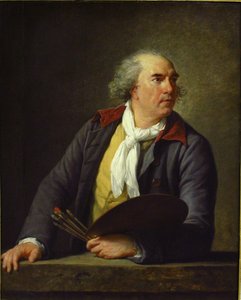
The Musée des Beaux-Arts’ strength resides principally in its impressive assemblage of artworks produced during the Renaissance and Baroque eras—a period marked by dramatic stylistic transformations driven by humanist ideals and religious fervor. Among its treasures stand undeniable icons of Spanish painting, spearheaded by luminaries such as Velázquez, Goya, and Sorolla. These artists skillfully captured the essence of their time, employing innovative techniques to convey emotion and intellect with unparalleled artistry. Visitors can trace their artistic evolution—from Velázquez’s masterful realism to Goya’s expressive landscapes and Sorolla’s luminous Impressionistic brushstrokes—illuminating the breadth of Spanish artistic achievement. Furthermore, the museum houses a remarkable collection of sculptures from antiquity and Renaissance Italy, offering insights into classical influences and artistic ideals that shaped European art for centuries.
Architectural Grandeur: The San Pio V Palace – A Baroque Legacy
The Musée des Beaux-Arts’ setting is as significant as its artworks—the historic San Pio V Palace itself embodies the grandeur of Baroque splendor. Originally conceived for ecclesiastical purposes, this monumental edifice underwent a dramatic transformation into a public art institution, reflecting Valencia's enduring dedication to preserving and showcasing its cultural patrimony. Its soaring ceilings adorned with frescoes—executed by celebrated Valencian artists—create an immersive environment that enhances the visitor’s experience, transporting them back to the opulent courts of Spain’s golden age. Examining the palace’s architectural design reveals not only aesthetic beauty but also historical context—a tangible reminder of Valencia's role as a center of artistic patronage and intellectual curiosity during the Baroque period.
Historical Context: From Gothic Roots to Artistic Flourishing
The Musée des Beaux-Arts’ narrative unfolds against the backdrop of Valencia’s multifaceted history, mirroring its evolution from medieval Catalonia to a vibrant metropolis renowned for its artistic traditions. The palace's origins date back to the XVIIth century—a period characterized by fervent religious devotion and royal ambition—and its transformation into a museum underscores Valencia’s commitment to safeguarding cultural heritage across generations. Exploring the palace’s architectural features provides invaluable insight into broader societal trends—the patronage of the arts by aristocratic families, the influence of papal commissions, and the dissemination of humanist ideas—factors that collectively propelled Valencia's artistic renaissance.
Notable Exhibitions & Artistic Movements: Embracing Innovation
Throughout its history, the Musée des Beaux-Arts has hosted groundbreaking exhibitions that have captivated audiences worldwide, prompting contemplation on artistic innovation and stylistic experimentation. Recurring themes explore movements such as Impressionism and Surrealism—artists grappling with perceptions of reality and emotion—illuminating the ongoing dialogue between art and society. Visitors can marvel at masterpieces like François Auguste Biard’s “Le salon de M. le comte de Nieuwerkerke,” a monumental oil painting exemplifying Baroque style—characterized by dramatic lighting and opulent ornamentation—or Peter Paul Rubens' “Le Coup de Lance,” a stirring depiction of the crucifixion that embodies Baroque emotional intensity. Don’t miss Henri Matisse’s “Saint Tropez Grenoble,” showcasing Fauvist techniques with bold colors and expressive brushstrokes.
A Beacon of Accessibility & Cultural Enrichment
The Musée des Beaux-Arts’ unwavering dedication to free admission underscores its commitment to fostering artistic appreciation and promoting cultural understanding—a cornerstone of Valencia's identity. Its substantial scale ensures an immersive experience for art enthusiasts, solidifying Valencia’s position as a vital hub for preserving Spanish artistic heritage. More than simply observing artworks, a visit to this museum is embarking on a journey through centuries of creativity—a celebration of beauty and intellectual curiosity that resonates deeply with anyone who cherishes the transformative power of art.