

Un viaggio attraverso l'eredità artistica europea: alla scoperta del Musée des Beaux-Arts d'Orléans
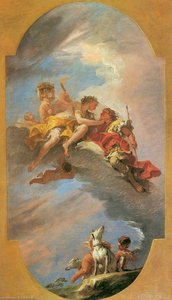
Il Musée des Beaux-Arts d’Orléans si erge come una testimonianza dell'instancabile impegno della Francia verso l'eccellenza artistica, incastonato nella pittoresca Valle della Loira. Fondato nel 1797 nel fervore della Rivoluzione Francese, rappresenta uno dei musei provinciali più antichi della nazione: un archivio di secoli di sforzi artistici e profondo significato culturale. Più che una semplice collezione di opere d'arte, è un'esperienza immersiva che trasporta i visitatori nei momenti cruciali della storia dell'arte europea.- I capolavori della collezione: Nel suo cuore risiede un assemblaggio straordinario che spazia dal XV al XX secolo, focalizzato principalmente sulla pittura e la scultura europea. I visitatori si imbatteranno in capolavoro di luminari quali Correggio, Annibale Carracci, Guido Reni, Sebastiano Ricci, Diego Velázquez, Anthony van Dyck, Antoine Watteau, François Boucher, Hubert Robert, Eugène Delacroix (inclusa la sua struggente “Testa di donna”) e Gustave Courbet: artisti che hanno plasmato il panorama artistico della loro epoca.
- Il paradiso del pastello: Forse il traguardo più celebrato del museo è la sua ineguagliabile collezione di pastelli, la seconda più grande di Francia. Questo medium, noto per le sue sfumature delicate e le texture eteree, permette una straordinaria esposizione di maestria tecnica, offrendo agli spettatori uno sguardo intimo sul processo creativo e catturando momenti fugaci con una precisione sorprendente. L'influenza di artisti come Victor François Tardieu e Charles François Jalabert si percepisce in tutta questa collezione.
- Eleganza architettonica: Situata all'interno di un edificio storico che originariamente fungeva da Palais épiscopal d’Orléans, l'architettura del museo incarna la grandezza del suo passato. Il suo ambiente sereno contribuisce a creare un'atmosfera propizia alla contemplazione e all'apprezzamento dell'arte, una scelta deliberata pensata per intensificare il legame del visitatore con i tesori artistici custoditi tra le sue mura.
L'evoluzione del Musée des Beaux-Arts rispecchia la narrazione più ampia della storia culturale francese. Il patrocinio iniziale di Jean Bardin e Aignan-Thomas Desfriches ne stabilì le fondamenta, seguito da periodi di chiusura e rinascita alimentati dalle generose donazioni di figure influenti come Madame de Limay e artisti come Henri de Triqueti. Questi contributi hanno consolidato la posizione del museo come faro di erudizione artistica, favorendo un ambiente in cui la creatività potesse fiorire.
- Mostre memorabili: Nel corso della sua storia, il Musée des Beaux-Arts ha ospitato mostre rivoluzionarie che hanno affascinato il pubblico di tutto il mondo. Temi ricorrenti esplorano i movimenti artistici — dalla grandiosità barocca all'idealismo romantico — illuminando le correnti intellettuali ed estetiche di ogni epoca.
Ciò che distingue questo museo dagli altri non è solo la sua dimensione o portata, ma la sua incrollabile dedizione alla preservazione e alla diffusione dell'eredità artistica europea. Esso funge da risorsa vitale per ricercatori, studenti e chiunque desideri approfondire le affascinanti storie racchiuse nelle pennellate e nelle forme scolpite: un luogo dove la bellezza trascende il tempo e ispira una profonda riflessione.