Menu
CONSULENZA D'ARTE GRATUITA

Musee des Beaux-Arts

Dettagli rapidi

  • Mediums: acrilico su tela
  • Art types: opere d'arte da parete
  • Featured artists: Gustave Courbet
  • Works on APS: 1
  • Location: Lons-le-Saunier, France

Quiz d'arte

Per ogni domanda è presente una sola risposta corretta.

Domanda 1:
Qual è la principale ragione per cui il Musée des Beaux-Arts è noto soprattutto per esporre?
Domanda 2:
Quale artista è famoso per le sue sculture che si trovano nel Musée des Beaux-Arts?
Domanda 3:
Quale stile pittorico è rappresentato dalle opere di Gustave Courbet al museo?
Domanda 4:
In quale regione della Francia si trova il Musée des Beaux-Arts?
Domanda 5:
Cosa rende unico il Musée des Beaux-Arts rispetto ai musei più grandi?

A Hidden Gem of Jura Art: Musée des Beaux-Arts Lons-le-Saunier

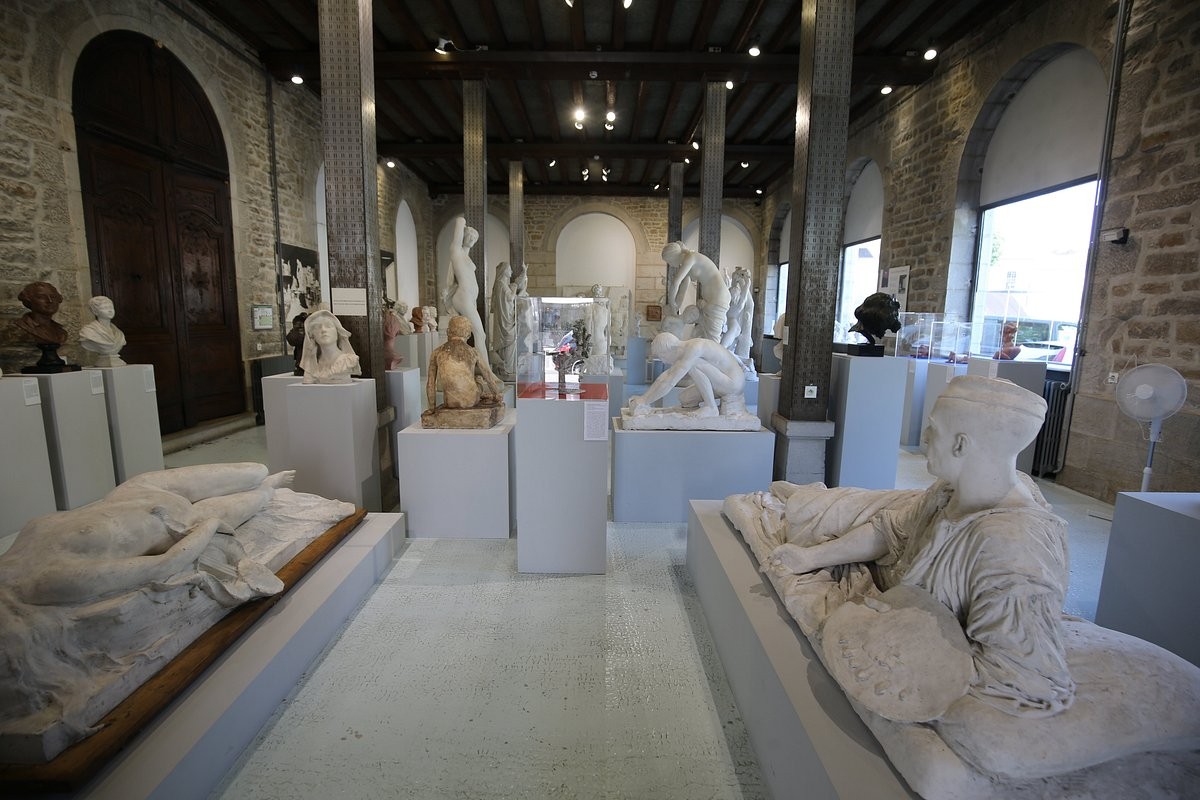
Nestled in the picturesque Jura Mountains, Musée des Beaux-Arts Lons-le-Saunier stands as a testament to regional artistic heritage and a captivating journey into 19th-century sculpture and painting. More than just a collection of artworks, it’s an experience—a quiet immersion into beauty crafted by masters like Jean-Joseph Perraud and Max Claudet, offering visitors a rare glimpse beyond the grand capitals of France.

Sculptural Excellence: Reflections of Jura Identity

The museum's core strength lies in its impressive assemblage of sculptures from the 19th century. Dominating the space are monumental works by Jean-Joseph Perraud and Max Claudet—artists deeply rooted in the Jura region’s artistic traditions. These pieces exemplify the stylistic innovations of their time, utilizing techniques like Rococo Revival and Neoclassical influences to portray figures imbued with dignity and grace. Examining these sculptures allows one to appreciate not only artistic skill but also a profound connection to the landscape and cultural values of the Jura Mountains. The meticulous craftsmanship—often incorporating Carrara marble—demonstrates the ambition of sculptors striving for perfection, mirroring the grandeur of the surrounding Alpine panorama.

A Palette of Impressionism and Romanticism: Paintings That Speak Volumes

Beyond sculpture, Musée des Beaux-Arts houses a remarkable collection of paintings that showcase the breadth of artistic expression during the Romantic and Impressionist eras. Among the highlights are masterpieces by Pieter Brueghel the Younger—renowned for his dramatic landscapes infused with allegorical symbolism—and Gustave Courbet—a pioneer of Realism who captured the everyday life of rural France with unflinching honesty. These paintings invite contemplation on themes of nature, human emotion, and social commentary, demonstrating the transformative power of artistic vision. The vibrant hues employed by Brueghel—particularly in ‘Saint Tropez Grenoble’—capture the ethereal beauty of twilight, while Courbet's canvases offer a starkly honest portrayal of peasant life, challenging viewers to confront uncomfortable truths about their own society.

Architectural Harmony: Embracing Tradition

The museum’s building itself contributes significantly to its overall atmosphere—a harmonious blend of architectural styles characteristic of Lons-le-Saunier. Constructed in the late 19th century, it reflects influences from Beaux Arts grandeur combined with regional vernacular elements, creating a space that feels both stately and welcoming. The careful consideration given to light and ornamentation underscores the museum’s commitment to preserving artistic treasures within an environment that complements their beauty and significance. Visitors can admire intricate plasterwork ceilings adorned with floral motifs—a hallmark of Belle Époque design—and expansive windows framing breathtaking views of the Jura Mountains, enhancing the contemplative experience offered by the artworks housed within.

History and Legacy: A Celebration of Artistic Patronage

Though precise founding dates remain elusive, Musée des Beaux-Arts Lons-le-Saunier’s history is inextricably linked to the cultural dynamism of its hometown—a legacy born from the generosity of local benefactors who recognized the importance of fostering artistic appreciation. Initially conceived as a private collection showcasing works by prominent artists of the era, it gradually expanded through acquisitions and donations, establishing itself as a cornerstone of Jura’s cultural identity. Its continued operation testifies to an enduring commitment to preserving artistic heritage for future generations.

Rotating Exhibitions: Fresh Perspectives on Art History

Musée des Beaux-Arts distinguishes itself through its dedication to showcasing temporary exhibitions—a vital component of maintaining engagement with art history and fostering dialogue among scholars and enthusiasts alike. These curated presentations introduce visitors to new artistic voices, explore lesser-known themes within established movements, and stimulate critical reflection on the role of art in shaping cultural understanding. Recent exhibitions have explored connections between Jura artists and European avant-garde trends—demonstrating that Musée des Beaux-Arts Lons-le-Saunier remains at the forefront of artistic scholarship and interpretation.