Un Arazzo del Tempo: L'Anima di Niort
Nel cuore di Niort, dove le dolci correnti della storia incontrano il vibrante battito della cultura moderna, sorge il Musée Bernard D’Agesci —un santuario che trascende i confini tradizionali di un museo. Varcare le sue soglie significa entrare in un dialogo multidisciplinare tra passato e presente. Ospitato in un magnifico edificio Beaux-Arts originariamente eretto nel 1897, il museo funge da cronaca vivente dell'evoluzione intellettuale di Niort. L'edificio stesso, un capolavoro progettato dall'architetto Georges André Lasseron , cattura lo sguardo con la sua grandezza neoclassica e sottili sfumature moderniste. La sua facciata, adornata da squisite piastrelle in maiolica e terracotta, riflette un'eleganza parigina di fine Ottocento che promette un viaggio immersivo ancora prima di varcare le gallerie.
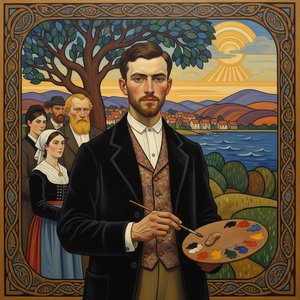
L'identità del museo è profondamente radicata nell'eredità del suo omonimo, Augustin Bernard , noto come Bernard d’Agesci . Celebre pittore e scultore la cui vita attraversò la turbolenta transizione dallo splendore dell'Ancien Régime all'energia trasformatrice della Rivoluzione Francese, d’Agesci incarnò lo spirito del progresso artistico. Il museo è nato da un desiderio visionario di consolidare tesori disparati—belle arti, musica, etnografia e storia naturale—in un unico, coeso racconto. Questa ambiziosa unificazione permette una rara esplorazione panoramica della creatività umana, dove i visitatori non si limitano a osservare l'arte, ma sono testimoni dell'interconnessione della vita stessa.
Un Caleidoscopio di Espressione Umana
Le collezioni custodite al suo interno sono nulla meno che una profonda testimonianza di maestria pittorica e meraviglia scientifica. L'ala delle belle arti offre un tuffo profondo nelle trame della storia, spaziando da narrazioni religiose e storiche a paesaggi più romantici. Per l'occhio esperto o per il designer d'interni in cerca di ispirazione, il museo offre una ricchezza di profondità visiva attraverso i suoi diversi possedimenti. Questo viaggio artistico è splendidamente completato da un intrigante insieme di manufatti musicali, incentrati sull'eredità del liutaio Auguste Tolbecque , e da una collezione di storia naturale che celebra il patrimonio ecologico del paesaggio locale.
Ciò che distingue veramente questa istituzione è la sua rara convergenza di discipline. È uno dei pochi luoghi prestigiosi a ospitare un laboratorio nazionale per il restauro di dipinti, garantendo che i capolavori di ieri siano meticolosamente preservati per le generazioni di domani. Attraverso mostre curate che gettano ponti tra contesti storici e sensibilità moderne—come le recenti esplorazioni sul romanticismo di Debia Bernard Prosper —il museo continua a promuovere un profondo legame tra l'arte e la comunità. Rimane una destinazione singolare dove il scientifico, il melodico e il visivo si armonizzano per creare un incontro con l'essenza stessa dell'anima artistica di Niort.