
Indice dei contenuti
Informazioni rapide
- Featured artists:
- Theophile Alexandre Steinlen
- Jouanny Paul
- Bonheur Marie Rosalie
- Alternate names:
- Musée Blanche Hoschedé-Monet
- musée municipal de Vernon
- Location: Vernon, Canada
- Works on APS: 20
Artisti in collezione
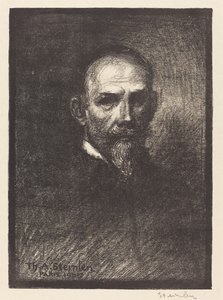
Théophile Steinlen
Meta Description: Théophile Steinlen: artista svizzero-francese simbolo dell’Art Nouveau e illustratore della vita parigina. Celebre per i suoi poster sui gatti e le opere grafiche che raccontano la Belle Époque!


Paul Jouanny
Scopri Paul Jouanny (1854-1932), impressionista francese di paesaggi normanni e della Senna. Esplora i suoi sereni vedutismo en plein air.

Rosa Bonheur
Scopri Rosa Bonheur, celebre pittrice animalière francese! Nota per opere come Il mercato dei cavalli, fu un'artista pionieristica.

Quiz d'arte
Per ogni domanda è presente una sola risposta corretta.
Domanda 1:
Qual è la principale caratteristica del Musée Alphonse-Georges Poulain?
Domanda 2:
In quale edificio storico è situato il museo?
Domanda 3:
Quale movimento artistico evidenzia il Musée Alphonse-Georges Poulain?
Domanda 4:
Perché il Musée Alphonse-Georges Poulain è considerato una destinazione unica per gli appassionati d'arte?
Domanda 5:
Qual è un aspetto significativo della collezione del museo riguardo agli artisti?
Articoli correlati
Cornici d'Eleganza: Una Guida Completa alla Selezione di Cornici che Esaltano gli Stili d'Interno e il Valore Artistico
Scopri come scegliere la cornice perfetta per esaltare le tue opere d'arte e valorizzare il tuo stile. Guida completa, consigli esperti e artigianato di lusso.

F.A.Q.: Cornici Acriliche vs. Legno – La Scelta Perfetta per Collezionisti Esigenti
Scegli la cornice perfetta per valorizzare le tue opere d'arte con ! Guida esclusiva per collezionisti esigenti: cornici acriliche, legno e consulenza personalizzata.

La Cornice Perfetta: Guida alla Scelta per Valorizzare la Tua Opera d'Arte
Guida completa alla scelta della cornice perfetta per valorizzare la tua opera d'arte. Consigli esperti, materiali pregiati e soluzioni personalizzate con .
Elenco delle opere d'arte di Musée Alphonse-Georges Poulain
Nessuna opera trovata.