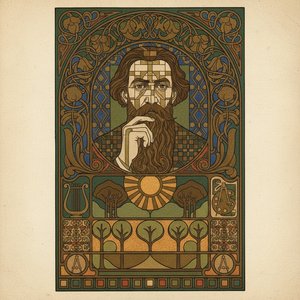
Esplora Gustav Klimt (1862-1918): icona simbolo austriaca del Simbolismo e dell'Art Nouveau della Secessione Viennese. Scopri la sua fase dorata, i ritratti sensuali e le opere maestose decorative come 'Il Bacio'.
Josef Hoffmann (1870-1956) è stato un pioniere dell'architettura e del design austriaco della Secessione Viennese e Wiener Werkstätte. Celebre per l'Art Nouveau, il funzionalismo e il Palazzo Stoclet.
Esplora Charles Francis Annesley Voysey (1857-1941), pioniere britannico dell'architettura e del design Arts & Crafts/Modern Style. Scopri la sua fusione unica tra design vernacolare e moderno!
A Legacy Forged in Art and Industry: Exploring the MAK
The Museum of Applied Arts (MAK) in Vienna isn’t merely a repository of beautiful objects; it's a living testament to Austria’s enduring belief in the power of design, innovation, and the seamless marriage of artistry with everyday life. Founded in 1863 by Emperor Franz Joseph I, the MAK emerged from a desire to elevate craftsmanship and foster a new era of artistic production – an ambition that continues to resonate within its walls today. From medieval textiles whispering tales of bygone eras to cutting-edge contemporary installations challenging our perceptions, the museum’s collection is a breathtaking panorama spanning centuries, a vibrant dialogue between past, present, and future. It's a place where one can trace the evolution of aesthetic thought, witness the ingenuity of human creation, and contemplate the very essence of what it means to design a world worth inhabiting.
The Wiener Werkstätte: A Revolution in Style
Architectural Grandeur: Ferstel’s Vision Realized
Contemporary Art: Challenging Boundaries
A Digital Gateway: Expanding Access to Artistic Heritage
The Wiener Werkstätte: A Revolution in Style
At the heart of the MAK’s renown lies its unparalleled assemblage of works originating from the Wiener Werkstätte (Vienna Workshops), established in 1903. This groundbreaking movement, spearheaded by luminaries like Koloman Moser and Josef Hoffmann, wasn't simply about creating beautiful things; it was a radical reimagining of art’s role in society. The Werkstätte championed a *Gesamtkunstwerk* – a “total work of art” – where every element, from the grandest architectural detail to the smallest ceramic embellishment, contributed to a harmonious and unified aesthetic experience. Stepping into these galleries is akin to entering a world meticulously crafted for beauty and functionality. Opulent textiles boasting bold geometric patterns dance alongside exquisitely formed ceramics adorned with intricate floral motifs. The furniture designs of Hoffmann, uncompromising in their pursuit of simplicity and elegance, stand as enduring symbols of the era’s commitment to refined living. But the MAK’s scope extends far beyond this iconic collection. Masterpieces of glassware by Alois Weiβberger and Johann Koller shimmer with delicate artistry, while contemporary works continually push boundaries and provoke thought, ensuring that the museum remains a dynamic hub for artistic exploration.
Architectural Grandeur: Ferstel’s Vision Realized
The MAK building itself is an integral part of its story – a magnificent architectural statement conceived by Heinrich von Ferstel. Completed in 1871, it embodies the grandeur and stylistic aspirations of Vienna’s Belle Époque, mirroring London’s South Kensington Museum (now the Victoria & Albert Museum) as a beacon of applied arts education and research. The façade, adorned with monumental Corinthian columns and intricate decorative friezes, is itself a work of art, graced by sculptures from Gustav Klimt and Josef Maria Olbrich – titans of Vienna’s vibrant cultural landscape. Walking through its halls isn’t just about viewing art; it’s about experiencing the artistry embedded within the very structure that houses it. The building speaks to a time when museums were conceived as palaces for learning, spaces designed to inspire awe and cultivate an appreciation for beauty in all its forms.
Contemporary Art: Challenging Boundaries
The MAK isn’t content to simply preserve the past; it actively shapes the future of art and museum practice. This pioneering spirit is evident in its embrace of new technologies and its willingness to engage with pressing contemporary issues. In a landmark move, the MAK became the first museum globally to utilize Bitcoin for acquiring art, purchasing “Event listeners” by van den Dorpel in 2015 – a bold statement about the evolving relationship between art, technology, and finance. This commitment to innovation extends to its exhibitions, which often tackle complex societal themes. Recent shows like "BLOCKCHAIN:UNCHAINED" have interrogated the transformative potential of blockchain technology within the art world, while collaborations with artists like James Turrell have resulted in mesmerizing installations such as “MAKlite,” transforming the museum’s courtyard into a captivating sensory experience through precisely calibrated LED lighting. The MAK is not afraid to challenge conventions and invite visitors to engage with art in new and unexpected ways.
A Digital Gateway: Expanding Access to Artistic Heritage
Beyond its physical walls, the MAK extends its reach through an expansive digital presence. With over 300,000 objects digitized and presented online, it boasts the largest online collection within Austria’s Federal Museums – a treasure trove of artistic heritage accessible to scholars, artists, and enthusiasts worldwide. Complementing this digital exploration is an interactive web-based audio guide app, designed to enrich visitor understanding with detailed narratives and expert commentary. Whether captivated by Viennese Art Nouveau or intrigued by the evolution of design principles across eras, the MAK offers an unforgettable journey into the heart of artistic innovation and cultural heritage – a journey that now extends far beyond the boundaries of Vienna itself.
A cura del team editoriale di OriginalUniqueArt.com
Quiz d'arte
Per ogni domanda è presente una sola risposta corretta.
Domanda 1:
Qual è il nome del museo che ospita una collezione straordinaria di opere d'arte applicata e design?
Domanda 2:
Il MAK è nato dalla volontà di creare una collezione esemplare ispirandosi a quale altro museo europeo?
Domanda 3:
Quale movimento artistico rivoluzionò l'arte e il design nel 1903 grazie alla creazione della Wiener Werkstätte?
Domanda 4:
L'edificio del MAK è stato costruito secondo lo stile architettonico italiano Rinascimentale precoce e rappresenta una pietra miliare nella storia dell'architettura viennese.
Discover the revolutionary Vienna Secession art movement! Explore Klimt, Olbrich & more. Learn about its history, characteristics & lasting influence on modern art. High-quality reproductions available.
Esplora la vita e l'opera di Koloman Moser, figura chiave della Secessione Viennese e fondatore della Wiener Werkstätte. Approfondisci il suo contributo all'Art Nouveau e al concetto di Gesamtkunstwerk.
Esplora i 25 capolavori di Gustav Klimt, pittore simbolo dell'Art Nouveau. Scopri la storia, le tecniche e l'oro iconico delle sue opere più famose come 'Il Bacio'. Trova riproduzioni d'arte di alta qualità per decorare casa con stile su OriginalUniqueArt.com