A Journey Through Art & Design: Exploring Kunstmuseum Den Haag
Kunstmuseum Den Haag – more than just a repository of artworks; it’s an experience—a pilgrimage into the heart of Dutch artistic heritage and a testament to enduring architectural vision. Founded in 1866 as Museum voor Moderne Kunst, its evolution through names like Haags Gemeentemuseum and Gemeentemuseum Den Haag reflects a profound commitment to embracing artistic innovation throughout the centuries. Today’s institution, KM21 alongside Fotomuseum Den Haag, represents an ambitious expansion of cultural horizons—a celebration of creativity spanning disciplines from painting and sculpture to fashion and photography.
The Collection: A Kaleidoscope of Artistic Expression
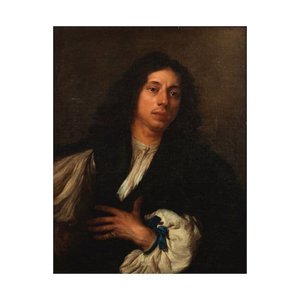
The museum's strength lies in its breathtaking breadth, encompassing masterpieces from antiquity through the present day. At its core resides a remarkable collection dedicated to Dutch Masters – luminaries like Rembrandt and Vermeer whose canvases capture the spirit of their time with unparalleled detail. Alongside these titans stand international icons—Degas’ ballet dancers, Monet’s Impressionistic landscapes, Picasso’s Cubist explorations—artists who fundamentally reshaped artistic conventions. But Kunstmuseum Den Haag doesn't merely showcase celebrated figures; it delves into lesser-known movements and artists, fostering a deeper understanding of the evolution of visual culture.
A particular jewel in its crown is undoubtedly Mondrian’s collection – the largest globally—featuring his seminal Victory Boogie Woogie, an audacious embrace of geometric abstraction that continues to captivate viewers. Complementing this monumental artwork are exquisite Delftware ceramics—a legacy of The Netherlands' “Golden Age”—each piece meticulously crafted and adorned with intricate floral motifs. Furthermore, a comprehensive archive of prints and drawings illuminates artistic dialogues across eras, showcasing the stylistic influences of artists as diverse as Co Westerik and Toulouse-Lautrec. Finally, exploring fashion’s transformative role in shaping cultural identity reveals garments from designers like Balenciaga and Chanel—artifacts that speak volumes about societal values and aesthetic sensibilities.
The Architectural Marvel: Berlage's Dream
Completed between 1931 and 1935 by the visionary architect H.P. Berlage, Kunstmuseum Den Haag’s building is itself a masterpiece—a symbol of modernist ideals and an embodiment of humanist principles. Dubbed “the dream museum,” Berlage prioritized simplicity and openness, rejecting opulent grandeur to create a space that invites contemplation and fosters connection with its surroundings. The distinctive brickwork—characterized by warm hues and textured surfaces—contrasts dramatically with more formal architectural styles of the period. Two towering towers dominate the skyline, serving as visual anchors and reinforcing the building’s structural integrity. Berlage's design transcends mere functionality; it aspires to inspire awe and elevate the visitor’s experience—a testament to his unwavering belief in architecture as a vehicle for artistic expression.
A Legacy of Artistic Dialogue
Kunstmuseum Den Haag’s history is marked by continuous adaptation and expansion—reflecting a profound appreciation for cultural heritage and an eagerness to engage with contemporary artistic trends. The addition of KM21, dedicated to showcasing cutting-edge visual arts, underscores this commitment to innovation. Similarly, Fotomuseum Den Haag—a sister institution—further enriches the museum’s panorama of artistic disciplines. These initiatives demonstrate Kunstmuseum Den Haag's enduring role as a catalyst for intellectual curiosity and aesthetic appreciation—a beacon illuminating the path toward understanding art’s transformative power.
What Makes Kunstmuseum Den Haag Unique?
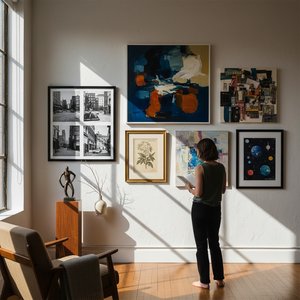
Kunstmuseum Den Haag distinguishes itself through its unparalleled collection—a harmonious blend of historical grandeur and artistic dynamism. Unlike many museums that focus on singular narratives, Kunstmuseum Den Haag champions a multifaceted approach—celebrating not only celebrated artists but also marginalized voices and experimental techniques. Moreover, Berlage’s architectural ethos—characterized by serene spaces and natural light—creates an environment conducive to contemplation and fosters a profound connection between art and human experience. With approximately 25-30 exhibitions annually, Kunstmuseum Den Haag guarantees that visitors will always encounter fresh perspectives on artistic history and contemporary creativity—a true treasure for anyone passionate about the visual arts.