
Un'intersezione visionaria tra luce e terra
Nel cuore di San Paolo, protetto dal ritmo frenetico della metropoli moderna, sorge un santuario dedicato a uno dei polimati più profondi, eppure spesso trascurati, della storia: Antoine Hercule Florence. L' Instituto Hercule Florence è molto più di un semplice deposito di reperti del XIX secolo; è un dialogo vivente tra l'impulso scientifico e l'anima artistica. Varcare la soglia di questa istituzione significa entrare nella mente di un uomo che non vedeva confini tra la precisione di una reazione chimica e la luce soffusa di un tramonto brasiliano. L'istituto funge da toccante promemoria di un'epoca in cui l'esplorazione era guidata sia dalla sete di conoscenza botanica sia dal desiderio di catturare la bellezza effimera di un nuovo mondo.
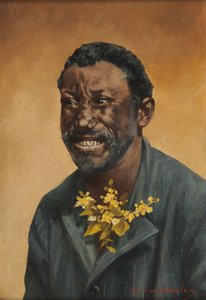
La collezione stessa è un arazzo mozzafiato della vita brasiliana del Ottocento, tessuto attraverso gli occhi meticolosi di Florence. I visitatori sono accolti da un profondo senso di realismo che trascende la semplice documentazione. Le sue tele, realizzate con un'esquisita attenzione al dettaglio, offrono una finestra sull'anima del Brasile dell'era vittoriana, catturando la crescita urbana di San Paolo e la quieta, dignitosa maestosità dei suoi paesaggi rurali. Eppure, la vera magia risiede nella celebrazione della fotografia primordiale. Come pioniere che sperimentò il processo negativo/positivo anni prima che il mondo riconoscesse il nome di Daguerre, l'eredità di Florence è incisa nell'argento stesso dei suoi primi esperimenti fotografici. Queste opere — che spaziano dai delicati dagherrotipi ai materici calotipi — non si limitano a mostrarci l'aspetto e l'atmosfera del Brasile; ci permettono di testimoniare la nascita di un nuovo modo di vedere.
Sobrietà architettonica e maestria curatoriale
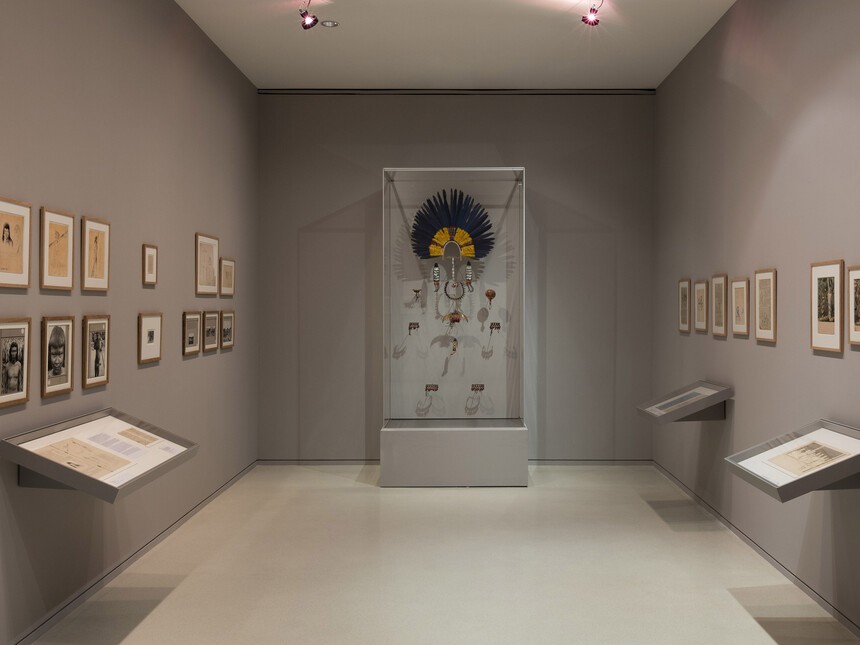
L'architettura dell'Istituto rispecchia la filosofia del suo omonimo: un'eleganza deliberata e discreta che rifiuta di oscurare i tesori che custodisce. La semplicità dell'edificio è un capolavoro di design, capace di creare un palcoscenico neutro e contemplativo dove le trame dell'acquerello, la profondità dei ritratti a olio e la nitida chiarezza delle prime lastre fotografiche possano respirare. Per l'amante dell'arte o il designer d'interni in cerca di ispirazione, l'Istituto offre una lezione magistrale su come l'atmosfera e il peso storico possano essere curati per creare uno spazio di profonda risonanza emotiva.
Oltre alle sue collezioni permanenti, l'Istituto ospita frequentemente mostre che colmano il divario tra passato e presente. Tra i momenti più significativi si annoverano:
- Retrospective sull'Impressionismo: Mostre che illuminano brillantemente la sottile influenza di Florence sull'impressionismo brasiliano, dimostrando come le sue fondamenta realistiche abbiano spianato la strada a tecniche più moderne e fluide.
- Gli Archivi della Belle Époque: Esposizioni speciali focalizzate sui vasti archivi fotografici dell'epoca, che offrono uno sguardo di una bellezza struggente sul tessuto sociale della storia di San Paolo.
- Narrative scientifiche e artistiche: Un focus sull'intersezione tra uomo e natura, mettendo in mostra la documentazione della flora, della fauna e delle usanze dell'entroterra brasiliano attraverso gli occhi dei viaggiatori del XIX secolo.
È proprio questa capacità unica di fondere la storia scientifica con la maestria estetica a rendere l' Instituto Hercule Florence un pellegrinaggio essenziale per chiunque sia catturato dal potere trasformativo della creatività umana.