A Sanctuary for Hispanic Artistic Legacy: Exploring the Institut Amatller d’Art Hispànic
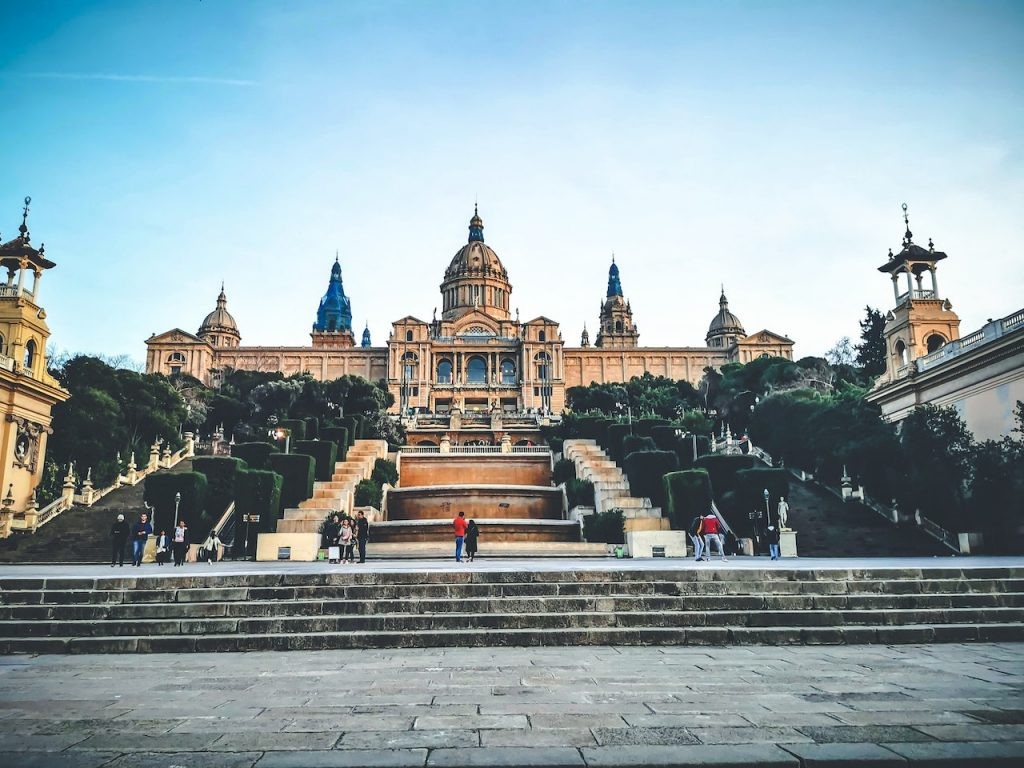
Casa Amatller, nestled in the heart of Barcelona, isn't merely a museum; it’s an experience—a journey into the soul of Catalan Modernism and the enduring fascination with Hispanic art. Founded over eighty years ago with a singular vision: to safeguard and champion the artistic heritage of Spain and its diaspora – Latin America primarily – the Institut Amatller has blossomed into one of Europe's foremost centers for scholarly research and cultural preservation.
Collection Highlights: Unveiling Treasures Through Time
The institute’s core comprises an astonishing 360,000 photographs documenting pivotal moments in Hispanic art history, alongside a comprehensive library boasting more than 30,000 volumes. These resources delve into masterpieces spanning centuries—from Iberian sculpture to Baroque painting and Impressionist landscapes infused with Spanish influences. Particularly noteworthy are holdings related to Catalan Modernism, showcasing the pioneering work of Antoni Gaudí and Josep Puig i Cadafalch. Researchers and enthusiasts alike discover invaluable insights into artistic movements, stylistic developments, and biographical details that illuminate the creative process itself. The Institut Amatller’s curators meticulously organize these materials—spanning from ancient Iberian artifacts to contemporary artworks—providing a holistic panorama of Hispanic cultural expression.
Architectural Marvel: Casa Amatller – A Symphony in Stone
Casa Amatller itself stands as a testament to architectural brilliance. Designed by Josep Puig i Cadafalch in 1900, it embodies the flamboyant spirit of Catalan Modernism—a movement characterized by bold geometric forms, vibrant colors, and intricate ornamentation. Its façade is adorned with mosaics depicting mythological figures and floral motifs, reflecting the artist’s profound engagement with symbolism. Visitors can admire the masterful craftsmanship evident in every detail—from the soaring arches to the delicately carved balconies—creating a space that transcends mere building; it becomes an embodiment of artistic aspiration. The Casa Amatller's interior spaces are equally impressive, featuring expansive halls bathed in natural light and adorned with opulent furnishings that exemplify the aesthetic sensibilities of the era.
Historical Context: Barcelona’s Artistic Renaissance
Barcelona during the early 20th century pulsated with artistic energy – The Institut Amatller reflects this era perfectly. It emerged amidst the “Golden Age of Modernism,” fueled by industrial prosperity and a burgeoning cosmopolitan culture. Examining Casa Amatller allows visitors to appreciate not only architectural innovation but also the broader social and intellectual currents shaping Hispanic art. The institute’s founding coincided with a period of fervent artistic experimentation, driven by figures like Gaudí and Picasso who pushed the boundaries of conventional styles and techniques. Studying this context enhances understanding of how artistic ideas disseminate across borders and influence subsequent generations of artists.
Notable Exhibitions: Bringing History to Life
Throughout its history, the Institut Amatller has hosted groundbreaking exhibitions that have captivated audiences worldwide. Recent shows have explored themes of Iberian Art from Antiquity to Medieval Times, showcasing exceptional pieces alongside cutting-edge research methodologies. These events underscore the institute’s commitment to disseminating knowledge and fostering dialogue about Hispanic artistic traditions. The curators collaborate with leading scholars—often presenting their findings in accessible formats—making complex concepts understandable for a broad audience.
What Sets It Apart: A Unique Fusion of Research and Beauty
The Institut Amatller distinguishes itself through its unparalleled combination of scholarly rigor and architectural grandeur. Unlike many museums focused solely on display, it prioritizes in-depth research—supported by its vast archives—while simultaneously presenting its findings within the breathtaking embrace of Casa Amatller. This symbiotic relationship ensures that visitors gain not just visual appreciation but also a profound understanding of Hispanic art’s historical significance and artistic evolution. It's more than simply observing art; it’s participating in an ongoing conversation about creativity, culture, and the preservation of human heritage—a legacy beautifully housed within Barcelona’s most iconic building.