

Una Visione Audace per l'Anima Artistica di Groningen
Nel cuore dei Paesi Bassi, dove il battito della città incontra la quieta contemplazione della galleria, sorge il Groninger Museum: una struttura che è meno un edificio e più una deliberata provocazione. Avvicinarsi a questa istituzione significa trovarsi di fronte a un manifesto architettonico che sfida i confini tradizionali del design museale. È un luogo dove le pareti stesse sembrano vibrare con l'energia del postmodernismo, fungendo da santuario per coloro che cercano un'arte capace di sfidare, scuotere e, in ultima analisi, trasformare la percezione della realtà dello spettatore.
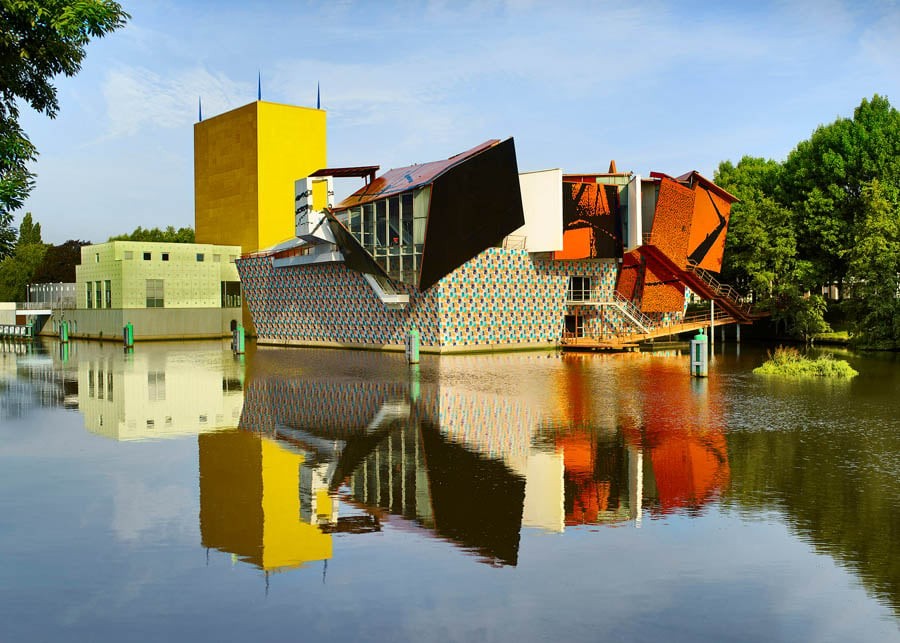
La presenza fisica del museo è un dialogo straordinario tra tre distinte voci architettoniche, che creano una struttura a padiglioni tripartiti simile a una scultura vivente. L'elegante edificio cilindrico argentato progettato da Philippe Starck offre uno sguardo sull'eleganza levigata del postmodernismo industriale, con la sua pelle metallica che riflette i mutevoli cieli olandesi. In un contrasto netto e giocoso, l'imponente padiglione giallo di Alessandro Mendini si erge come un tributo esuberante al Gruppo Memphis, esplodendo di colore e di uno spirito ribelle che rifiuta le rigide convenzioni classiche. A completare questo trio d'avanguardia è il padiglione azzurro pallido di Coop Himmelb(l)au, una lezione magistrale di decostruttivismo dove frammentazione e asimmetria creano uno spazio di tensione intellettuale e movimento. Collegato da un drammatico ponte che sovrasta la stazione ferroviaria di Groningen, il museo non si limita a risiedere nella città; esso respira con essa, integrando senza soluzione di continuità il paesaggio urbano nella sua missione artistica.
Un caleidoscopio di espressione artistica
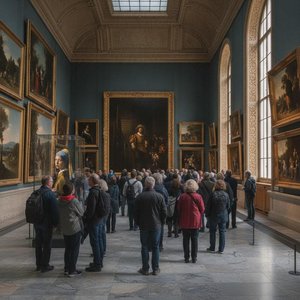
Oltre al suo straordinario esterno, il Groninger Museum custodisce una collezione che funge da vibrante caleidoscopio dell'espressione moderna e contemporanea. La curatela del museo evita il prevedibile, optando invece per una profonda esplorazione di diversi media, che spaziano dalle texture pesanti di monumentali dipinti a olio alla natura effimera dell'arte installativa. I visitatori possono trovarsi di fronte alle ampie ed emotive tele di Ilya Repin, la cui maestria cattura l'essenza stessa dello spirito russo del XIX secolo, per poi essere trasportati nell'eredità elettrica della pop culture di David Bowie attraverso mostre appositamente curate che colmano il divario tra belle arti e iconografia culturale.
Ciò che distingue veramente questa istituzione è il suo incrollabile impegno verso l'non convenzionale. Le mostre rotanti del museo sono rinomate per il loro coraggio, addentrandosi frequentemente nei regni del Surrealismo, dell'Arte Concettuale e delle opere provocatorie dell'avanguardia contemporanea. È una destinazione dove la controversia è accolta come catalizzatore di dialogo, e dove la curatela ricerca opere che costringano l'osservatore a mettere in discussione le narrazioni stabilite. Per l'amante dell'arte, offre uno stato di scoperta costante; per il collezionista e il designer d'interni, rappresenta una lezione magistrale su come un'estetica audace e trasformativa possa ridefinire uno spazio.
Un'eredità di innovazione e coinvolgimento
La storia del Groninger Museum è una storia di straordinaria evoluzione, che traccia un percorso dalle sue modeste origini nel 1874 al suo attuale status di faro internazionale di innovazione culturale. Mentre le radici del museo sono ancorate alla preservazione del patrimonio locale — come dimostrato dall'inclusione della storica dimora Menkemaborg nella sua orbita — la sua anima è saldamente piantata nel futuro. Questa dualità permette al museo di onorare il peso della storia e, contemporaneamente, di agire come un laboratorio per il nuovo.
Attirando centinaia di migliaia di visitatori ogni anno, il museo è diventato molto più di un semplice deposito di oggetti; è un motore culturale per la provincia e oltre. Rimane un luogo in cui i confini tra architettura, arte e vita urbana si dissolvono, invitando ogni visitatore a partecipare a un esperimento continuo di creatività. Che si sia attratti dall'audacia architettonica dei suoi padiglioni o dalla profondità intellettuale della sua collezione permanente, il Groninger Museum si erge come testimonianza del potere dell'arte di accendere la curiosità e promuovere un coraggioso impegno con il mondo che ci circonda.