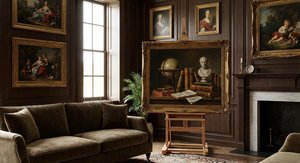
Un Portale verso l'Antichità: L'Eredità del Griffith Institute
Nel profondo dei sacri e dotti corridoi della Sackler Library di Oxford, si cela un santuario dove le sabbie del tempo sembrano depositarsi con un proposito profondo. Il Griffith Institute non è semplicemente un deposito dei resti di una civiltà scomparsa; è una testimonianza vibrante e pulsante dell'eterna ossessione dell'umanità per l'antico Egitto e della sua profonda influenza sul pensiero occidentale. Fondata nel 1939 dal visionario Francis Llewellyn Griffith, l'istituzione è nata dall'unione tra rigore accademico e passione personale, alimentata dalla generosità di Griffith e di sua moglie, Nora. Varcare la soglia di questo spazio significa entrare in un regno dove i misteri del Nilo sono meticolosamente preservati, offrendo un ponte tra le monumentali imprese dei Faraoni e la curiosità intellettuale del mondo moderno.
L'Archivio Vivo: Echi di Scoperte
Ciò che distingue veramente il Griffith Institute è il suo archivio senza pari, una collezione singolare che funge da cuore pulsante della ricerca egittologica. È un luogo in cui la storia si percepisce attraverso la realtà tattile delle fonti primarie: le delicate acquerellate di antichi paesaggi, gli intricati diagrammi di scavo e le fotografie di una bellezza struggente che catturano l'istante stesso della scoperta. I ricercatori si ritrovano a camminare sulle orme di leggende, immergendosi nei documenti meticolosamente redatti della trasformativa scoperta della tomba di Tutankhamon da parte di Howard Carter nel 1922. Accanto ai documenti di luminari come Sir Alan H. Gardiner e Jaroslav Černý, l'Istituto custodisce una ricchezza di tesori che illuminano ogni aspetto della vita egizia:
-
Registri Archeologici:
Manoscritti meticolosamente conservati, diagrammi di scavo e acquerelli.
-
Cronache Visive:
Vaste collezioni di fotografie, negativi e calchi dettagliati.
-
Documentazione delle Spedizioni:
Rari documenti delle spedizioni nubiane guidate da Griffith e Sir Henry Wellcome.
Risonanza Artistica e Splendore Estetico
Sebbene il suo cuore accademico batta per l'Egitto, la collezione dell'Istituto riflette anche una profonda intersezione con l'evoluzione dell'arte moderna, offrendo un banchetto visivo sia per i collezionisti che per gli interior designer. Tra le sue sale, si trovano dialoghi inaspettati tra motivi antichi ed espressione contemporanea. La sorprendente tela a olio del 1939,
Box of Apples in Wales
di Lucian Freud, con i suoi audaci cerchi gialli stagliati su un sereno sfondo blu, funge da magistrale studio sulla teoria del colore che rispecchia le tavolozze vibranti dell'estetica egizia antica. Allo stesso modo,
In the Beginning
di George Graham utilizza l'astrazione geometrica per evocare un senso di simbolismo spirituale, mentre
The Still life with Pumpkin
di André Derain porta una vitalità impressionista nella collezione attraverso le sue pennellate espressive e forme organiche. Queste opere, annidate in un contesto di profondo peso storico, creando un'atmosfera in cui la bellezza del mondo naturale e la precisione dell'arte umana convergono.
Un Santuario di Conoscenza e Grazia Architettonica
Situato nell'storica Griffith Wing della Bodleian Art, Archaeology and Ancient World Library, l'Istituto offre un ambiente che è tanto stimolante dal punto di vista intellettuale quanto significativo architettonicamente. L'ambiente favorisce una sinergia unica di collaborazione e quieta contemplazione, essenziale per la ricerca della verità nel campo degli Studi Orientali. Questa eredità di eccellenza è cementata dalle pubblicazioni seminali dell'Istituto, come l'
Egyptian Grammar
di Gardiner, che rimangono strumenti indispensabili per gli studiosi di tutto il mondo. Per il visitatore, l'Istituto offre molto più di un semplice sguardo al passato; offre un'esperienza immersiva in un paesaggio di duraturo prestigio accademico, dove ogni manoscritto e ogni dipinto contribuisce a una narrazione più ampia del traguardo umano e della eterna ricerca della comprensione.