- Pagina iniziale

- Musei
- Great Western House
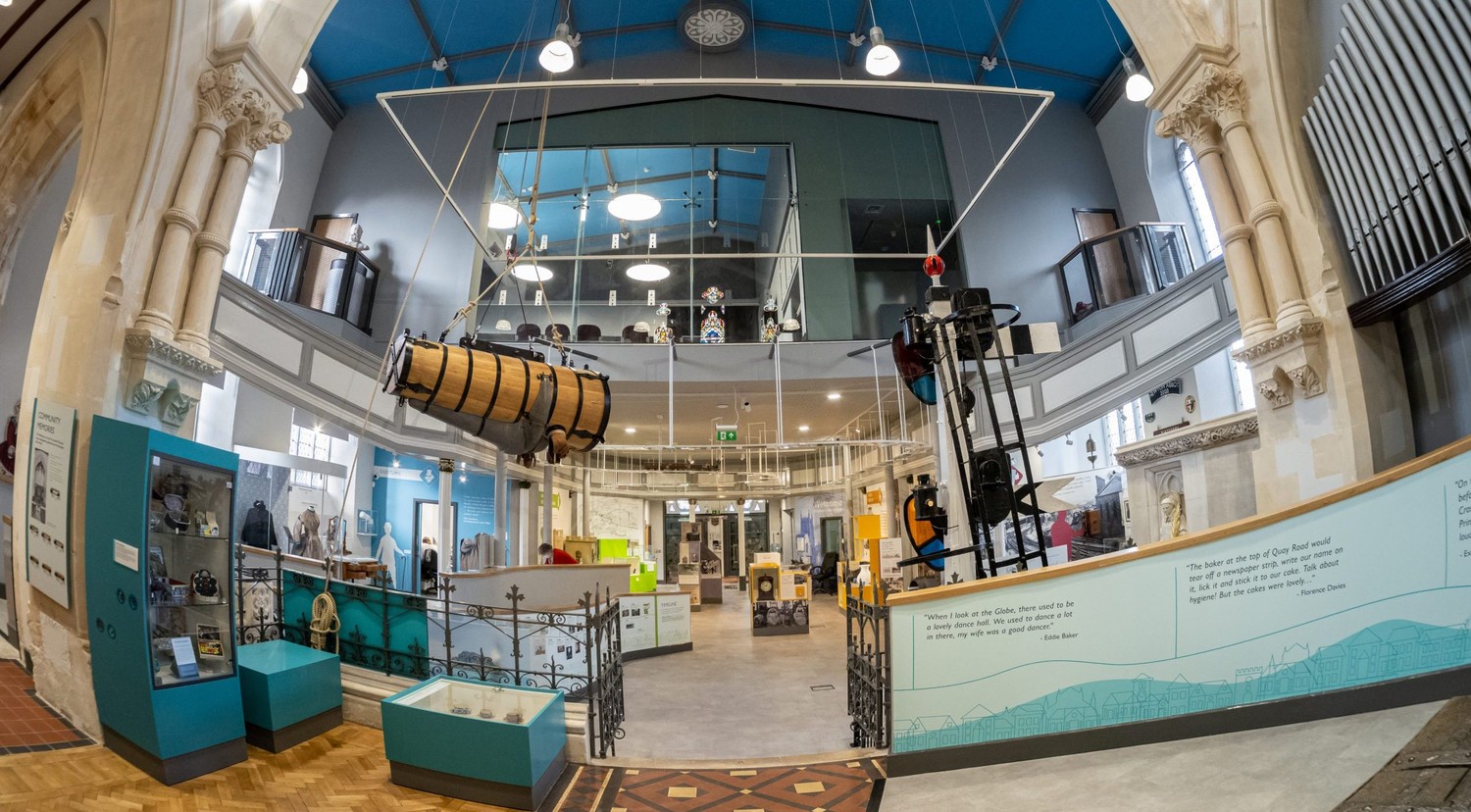
Dettagli rapidi
- Featured artists: frederick william newton whitehead
- Location: Newton Abbot, United Kingdom
- Alternate names:
- Great Western House
- Newton Abbot Town & GWR Museum
- Great Western House Newton Abbot
- GWR Museum
- Works on APS: 1
Quiz d'arte
Per ogni domanda è presente una sola risposta corretta.
Domanda 1:
Qual è lo scopo principale della collezione di Great Western House?
Domanda 2:
Lo stile architettonico che caratterizza Great Western House è dovuto alla sua connessione storica con la GWR?
Domanda 3:
Great Western House celebra l'importanza di chi nel plasmare la storia di Newton Abbot?
Artisti in collezione

frederick william newton whitehead
Discover Frederick William Whitehead’s stunning landscapes of Dorset & beyond! Explore his evocative paintings capturing rural life & natural beauty from 1853-1938.

Articoli correlati

John Atkinson Grimshaw: Realismo Atmosferico e il Notturno Vittoriano
Esplora il mondo suggestivo di John Atkinson Grimshaw, maestro del realismo atmosferico vittoriano. Scopri le sue iconiche scene notturne, l'uso innovativo della luce e l'influenza della fotografia sulla sua arte.

Ignacio Díaz Olano: Bridging Realism & Costumbrismo in Spanish Portraiture
Explore the captivating works of Ignacio Díaz Olano, a pivotal Spanish Realist painter. Discover his intimate portraits, evocative scenes of Andalusia, and unique 'Costumbrista' style. Learn about his legacy & find museum-quality reproductions.
Edwin Deakin: A Victorian Topographer's Vision of Landscape, Industry & Social Change
Explore the captivating world of Edwin Deakin, a Victorian artist who masterfully captured California's landscapes, Spanish missions & Chinatown. Discover his legacy and influence on art history.


Iscriviti alla nostra newsletter
Rimani aggiornato sulle ultime novità dell'arte, sulle offerte esclusive e sulle idee di decorazione.
Ricevi 3 suggerimenti d'arte gratuiti
Raccontaci del tuo progetto e i nostri esperti d'arte ti proporranno 3 suggerimenti artistici personalizzati.
Not Sure Where to Start?
Let Us Curate 3 Options Just for You - Free!