Menu
CONSULENZA D'ARTE GRATUITA

Dettagli rapidi

  • Featured artists:
    • lawrence bradford saint
    • maud fuller petersham
    • john pike
    • belenes puig s.l.
    • frank jeck
  • Alternate names:
    • Glencairn Museum
    • Glencairn
  • Location: Bryn Mawr, Stati Uniti d'America
  • Works on APS: 14

Quiz d'arte

Per ogni domanda è presente una sola risposta corretta.

Domanda 1:
Quale stile architettonico ispirò la costruzione del Museo Glencairn?
Domanda 2:
Chi guidò la creazione del Museo Glencairn e possedeva nessuna formazione formale in architettura?
Domanda 3:
Qual è il Museo Glencairn principalmente noto per esporre?
Domanda 4:
La connessione della famiglia Pitcairn con la Bryn Athyn Cathedral riflette la loro fede in quale tradizione teologica?
Domanda 5:
Quale diversità culturale è rappresentata in modo significativo nella collezione del Museo Glencairn?

A Sanctuary of Spirit and Stone: Discovering Glencairn Museum

Nestled in the verdant landscape of Bryn Mawr, Pennsylvania, Glencairn Museum rises not merely as a building, but as a testament to faith, artistry, and a family’s enduring vision. More than just a repository for beautiful objects, it is an immersive experience—a journey through centuries of religious expression manifested in sculpture, stained glass, manuscripts, and textiles from across the globe. The very stones of Glencairn seem to whisper stories of devotion and creative endeavor, inviting visitors into a contemplative space where art transcends its material form and becomes a conduit for spiritual understanding. Originally conceived as a private residence and spiritual retreat for the Pitcairn family, the museum’s unique atmosphere is palpable; it retains the intimate feeling of a cherished home while offering the breadth and depth of a world-class collection.

The Architecture as Revelation

To approach Glencairn is to encounter an architectural marvel—a castle-like structure built between 1928 and 1939, drawing inspiration from medieval Romanesque design. Raymond Pitcairn, the visionary behind its creation, possessed no formal training in architecture yet orchestrated a building of remarkable complexity and beauty through detailed models and close collaboration with skilled craftsmen. The nine-story granite edifice, adorned with intricate carvings, soaring towers, and expansive windows, is not simply a backdrop for the art within; it *is* an integral part of the artistic experience. Sunlight streams through magnificent stained glass panels—some original to medieval churches—casting kaleidoscopic patterns upon the stone floors and illuminating ancient sculptures. The interior spaces are equally captivating, featuring elaborate mosaics, meticulously crafted metalwork, and even a faithful recreation of the Biblical Tabernacle, demonstrating Pitcairn’s dedication to creating an environment that fostered both aesthetic appreciation and spiritual reflection. This architectural ambition speaks volumes about the family's commitment to honoring tradition and elevating the senses.

A Tapestry of Faiths and Eras

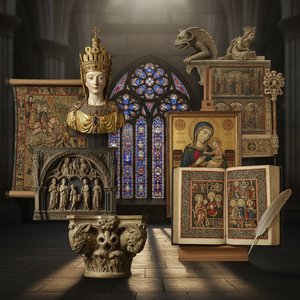
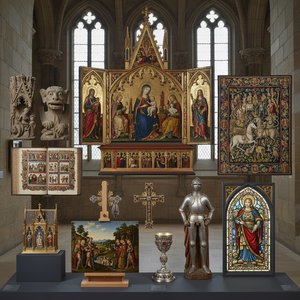
The collection at Glencairn is remarkably diverse, spanning millennia and continents. Ancient Egyptian sculptures stand in dialogue with delicate medieval illuminated manuscripts; vibrant Islamic ceramics share space with serene Asian bronzes. The museum’s holdings are not organized by geographical origin or chronological order, but rather around thematic explorations of religious belief and practice. Visitors can trace the evolution of spiritual symbolism across cultures, observing common threads of human yearning for meaning and transcendence. Highlights include a stunning array of medieval stained glass—fragments rescued from historic churches and reassembled to create breathtaking displays of color and light—and an impressive collection of early Christian icons that offer glimpses into the devotional art of the Byzantine world. The museum also boasts significant holdings of Native American ceremonial objects, providing insight into the spiritual traditions of indigenous cultures. Each piece contributes to a larger narrative about humanity’s quest for divine understanding throughout history.

Notable Exhibitions and Ongoing Research

Glencairn Museum actively engages in scholarly research and presents compelling exhibitions that illuminate new perspectives on religious art and its cultural context. Recent displays have explored themes such as “The Art of Pilgrimage” and “Medieval Iconography,” attracting visitors from around the globe. Furthermore, Glencairn’s curators collaborate with leading experts to ensure that interpretations are informed by the latest scientific discoveries—a commitment to intellectual rigor underpinning every aspect of the museum's programming. The ongoing preservation efforts safeguard these treasures for future generations, ensuring that their stories continue to inspire wonder and contemplation.

What Makes Glencairn Unique: A Legacy of Vision

Ultimately, what distinguishes Glencairn Museum from other institutions is its singular focus on fostering a contemplative environment—a space where visitors can engage with art as expressions of spiritual belief. The museum’s ethos reflects the profound influence of Emanuel Swedenborgian Christianity, championed by Raymond Pitcairn and his family. This dedication to honoring tradition and elevating the senses permeates every element of Glencairn's design and programming, creating an experience unlike any other. It is a place where art speaks across cultures and eras—a testament to enduring artistic inspiration and familial devotion.

Catalogo delle opere d'arte

Nessuna opera trovata.