A Journey Through Time at Fulham Palace
Fulham Palace stands as an extraordinary testament to England’s enduring legacy—a place where history breathes through its walls and blossoms in its meticulously cultivated gardens. More than just a stately building, it's a living chronicle of eight centuries, offering visitors an unparalleled opportunity to immerse themselves in the evolution of British culture and artistic expression. Located on the tranquil Thames riverside in West London (SW6), Fulham Palace welcomes all who seek to explore its captivating story without charge—a remarkable feat for such a historic institution.- Architectural Marvels: The palace’s narrative begins in the 8th century with the Manor of Fulham, continuously overseen by Bishops of London. Its architectural journey spans from medieval grandeur to Tudor elegance and Georgian refinement, culminating in Victorian splendor. Each era has imprinted its distinctive style upon the complex, resulting in a harmonious blend that reflects the changing tastes and ambitions of successive generations. The Great Hall, constructed during Henry VII’s reign, exemplifies this transformation—a testament to royal ambition and masterful timber framing techniques.
- The Great Hall: Dominating the palace’s interior is the magnificent Tudor Great Hall—a masterpiece of timber framing dating back to the late 15th century. Its soaring ceilings and intricate carvings speak volumes about the ambition of Henry VII, who envisioned it as a symbol of royal authority. The hall serves as a poignant reminder of medieval court life and artistic patronage.
- Georgian & Victorian Influences: Subsequent additions during the Georgian and Victorian periods introduced neoclassical symmetry and opulent decoration—a deliberate contrast to the Tudor aesthetic. These styles are particularly evident in the palace’s chapel, adorned with stained glass windows depicting biblical scenes and showcasing exquisite craftsmanship. The delicate hues of the glass, combined with masterful artistic execution, exemplify the Victorian fascination for color and detail.
Collection Highlights & Artistic Treasures: Fulham Palace's museum houses a remarkable assemblage of artworks and artifacts that illuminate various facets of British history. Among its treasures are portraits commemorating influential Bishops of London—individuals who shaped the spiritual and political landscape of England throughout the centuries. These paintings offer intimate glimpses into their lives, personalities, and roles in shaping national identity. Consider admiring “Child in a White Dress” by Pierre Auguste Renoir, or "A Walk in the Woods" by Pierre Auguste Cot—classic paintings that embody the Romantic spirit.
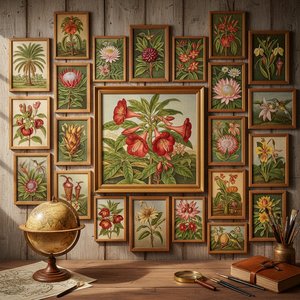
- Notable Exhibitions: Fulham Palace regularly hosts exhibitions exploring themes ranging from ecclesiastical art to local history—providing visitors with fresh perspectives on Fulham’s past and its connection to broader artistic currents. Recent displays have focused on botanical illustrations documenting the palace's gardens, celebrating the Victorian commitment to horticultural excellence.
- The Botanical Garden: Beyond its architectural splendor, Fulham Palace boasts a Grade II* listed botanical garden—a tranquil oasis offering visitors a respite from urban bustle. Established as part of the larger palace estate, it showcases diverse plant collections and meandering pathways—reflecting the Victorian commitment to horticultural excellence.
What Sets Fulham Palace Apart: Unlike many other historic houses in London, Fulham Palace maintains its status as a free public space—a testament to its enduring significance as a cultural institution. Its unbroken stewardship by the Bishops of London for over 1300 years underscores its role as a cornerstone of British heritage and provides unparalleled insight into the artistic tastes and intellectual pursuits of bygone eras. The palace’s unique position as one of London's oldest continuously inhabited royal residences guarantees visitors an unforgettable experience—a chance to step back in time and contemplate the enduring beauty of art and history.
- Further Exploration: For those eager to delve deeper into Fulham Palace’s history and artistic heritage, we encourage you to visit Fulham Palace Official Website .