

Un Capolavoro Palladiano nello South Yorkshire
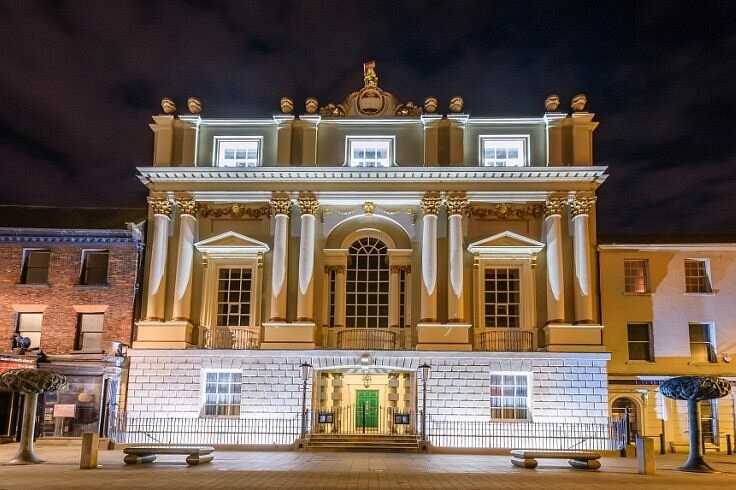
Eretto come un silenzioso custode dell'ambizione settecentesca, la Doncaster Mansion House è molto più di un semplice monumento municipale; è una profonda dichiarazione architettonica scolpita nella pietra da taglio. Progettato dal visionario James Paine , questo tesoro classificato come Grade I rappresenta uno dei soli tre capolavori palladiani di tale importanza in tutto il Regno Unito. La sua facciata simmetrica e le sue proporzioni armoniose non si limitano a riflettere gli ideali classici, ma li impongono con maestria, invitando l'osservatore in un'epoca in cui l'equilibrio e l'eleganza erano le massime espressioni dell'orgoglio civico. La dimora sorse su un sito intriso di antichità—gli antichi terreni del Convento dei Carmelitani—per rispondere alle crescenti necessità di una città trasformata dalla sua posizione strategica lungo la Great North Road. Mentre il commercio e le comunicazioni fluivano attraverso questa arteria vitale, la Mansion House emerse come il palcoscenico necessario per le grandi cerimonie e le deliberazioni politiche che definirono l'ascesa di Doncaster da città di mercato a celebre centro urbano.
Gli Intimi Echi dello Splendore Decorativo
Varcare la soglia della Mansion House significa entrare in un tableau vivant > meticolosamente preservato, dove ogni angolo sussurra racconti di un passato opulento. L'interno funge da santuario per le arti decorative, offrendo un viaggio sensoriale attraverso i gusti raffinati dell'era georgiana. I visitatori sono accolti dalla calda e profonda lucentezza del mogano e dal delicato, pallido bagliore dei mobili in satinwood , pezzi che un tempo facevano da cornice ai banchetti più significativi della regione. Questa collezione non è una semplice esibizione di ricchezza, ma una narrazione di maestria artigianale; accanto al pregiato lavoro del legno, si trovano argenteria scintillante e porcellane finemente decorate che riflettono i sofisticati rituali sociali del XVIII secolo. Per l'interior designer e il collezionista contemporaneo, queste sale offrono un pozzo inesauribile di ispirazione, dimostrando come palette tenui, ornamentazioni classiche e dettagli fatti a mano possano evocare un senso di permanenza e grandezza in qualsiasi spazio.
Un'Eredità Viva di Arte e Patrimonio
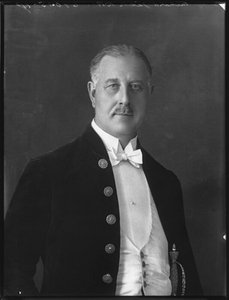
Oltre la sua bellezza fisica, la Mansion House rimane un centro vibrante di impegno culturale e ricerca storica. Le pareti sono adornate da ritratti di figure influenti le cui eredità hanno plasmato il destino di Doncaster, creando una stirpe di leadership che si percepisce tangibilmente tra i corridoide. Grazie agli sforzi dedicati de The Friends of Doncaster Mansion House , l'edificio continua a ospitare mostre degne di nota che colmano il divario tra la storia locale e i più ampi movimenti artistici. Rimane un luogo in cui il passato non è solo ricordato, ma attivamente vissuto, preservato attraverso meticolosi sforzi di conservazione sostenuti da Historic England . Come monumento sia all'eccellenza architettonica che alla responsabilità civica, la Mansion House si erge come una testimonianza duratura dell'idea che la vera bellezza risieda nell'unione perfetta tra arte, storia e comunità.