


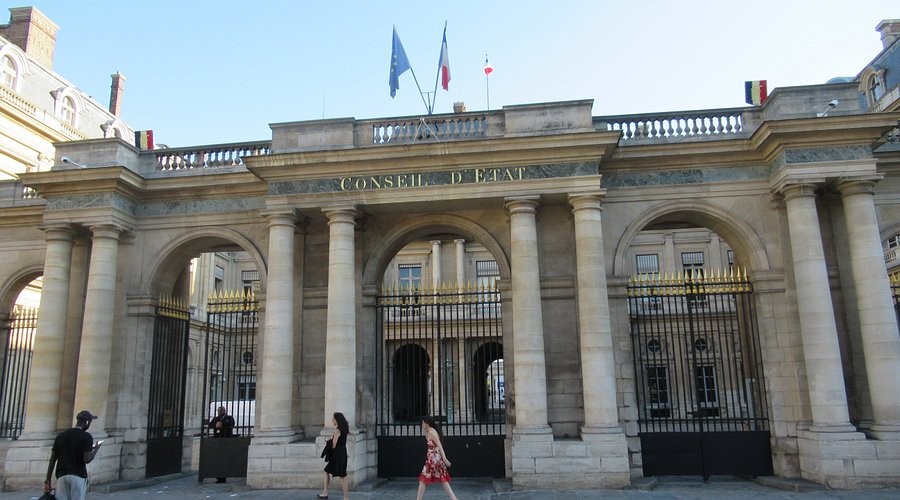
Un Trono di Potere e Riflessione Artistica: Esplorando il Conseil D'État e la sua Eredità Architettonica
Il Conseil D’État, venerabile tribunale amministrativo della Francia e consulente giuridico del governo, si erge ben oltre la semplice funzione di istituzione giudiziaria; esso incarna secoli di storia e di governance francese. Situato all'interno dell'opulento Palais Royal a Parigi—un palazzo che nel tempo ha vissuto trasformazioni drammatiche—questo luogo offre uno sguardo affascinante sia sulla dottrina giuridica che sul mecenatismo artistico. La sua importanza trascende il precedente legale, rivelando un legame indissolubile con il patrimonio culturale della Francia.- Radici Storiche: Fondata già nel 1345, l'attuale incarnazione del Conseil D’État si consolidò nel 1799 durante il regno di Napoleone Bonaparte, segnando un momento cruciale nella formazione del diritto e del discorso politico francese.
- Meraviglia Architettonica: Il Palais Royal è esso stesso una testimonianza di grandezza architettonica. Originariamente concepito per il Cardinale Richelieu—simbolo dell'autorità papale—ha attraversato diverse fasi come residenza reale prima di diventare la dimora ufficiale del Conseil D’État, integrando influenze degli stili Barocco, Neoclassico e Beaux-Arts.
I visitatori possono passeggiare tra i suoi ampi cortili adornati da sculture e fontane, immergendosi in un'atmosfera di regale eleganza. Gli spazi interni mostrano soffitti con intricati stucchi e arredi opulenti, che riflettono il gusto dei sovrani successivi che hanno onorato le sue sale.
Oltre gli Archivi Legali: Espressioni Artistiche all'interno del Palais Royal
Sebbene focalizzato primariamente sulla dottrina giuridica, l'influenza del Conseil D’État si estende ampiamente ai circoli artistici. In particolare, l'opera “Conseiller Pensionnaire de Hollande” di Jan Van Oldenbarneveldt ritrae uno statista di notevole prestigio, specchio della maestria diplomatica della Francia della sua epoca. Allo stesso modo, “Le Ballon” di Pierre-Cecile Puvis de Chavannes, che commemora l'assedio di Parigi del 1870-71, cattura lo spirito di resilienza e l'orgoglio nazionale attraverso un'immaginaria allegorica. Queste opere d'arte sottolineano il ruolo del palazzo come scenario per le imprese artistiche e il dibattito intellettuale.
- Mostre Notevoli: Nel corso della sua storia, il Palais Royal ha ospitato esposizioni che hanno celebrato l'arte francese di varie epoche, dimostrando la sua perdurante importanza come centro culturale.
Un'Istituzione Unica: Modellare il Discorso Giuridico e la Visione Artistica
Ciò che distingue il Conseil D’État è il suo duplice ruolo: fornire consulenza attiva su questioni legali e, simultaneamente, promuovere la creatività artistica. A differenza dei musei convenzionali che privilegiano manufatti tangibili, esso sostiene la preservazione di documenti legali e rapporti governativi, pilastri del diritto costituzionale francese. Questo impegno verso l'eredità intellettuale assicura che le tradizioni giuridiche della Francia continuino a ispirare le generazioni future.


