

Canterbury’s Artistic Legacy: Exploring City Council Museums And Galleries
Canterbury, nestled in Kent, England, boasts a rich artistic heritage that finds its expression within the City Council Museums And Galleries – specifically The Beaney and The Canterbury Roman Museum. More than just repositories of artifacts, these institutions offer immersive journeys into British history and celebrate local creative talent. Founded in the early 19th century by William Masters, the museums’ enduring mission is to illuminate the past while fostering appreciation for art and culture.- Roman History: Unearthing Canterbury's Roots
- The Beaney: Victorian Art & Contemporary Exhibitions
- A Transformative Space: The Marlowe Kit – Innovation in Museum Experience
- Architectural Marvels: Setting the Stage for Discovery
- Why Canterbury Museums Stand Apart: A Singular Blend of Tradition & Vision
The Canterbury Roman Museum stands as a testament to Britain’s ancient past, anchored within the evocative remains of a Roman courtyard house. Visitors can step back in time and contemplate the grandeur of Roman Britannia through remarkably preserved artifacts – most notably the breathtaking mosaic pavement depicting scenes from classical mythology and the substantial late Roman silver hoard discovered during excavations. These treasures offer unparalleled insight into daily life, social customs, and artistic sensibilities within the city walls.
The museum’s centerpiece is undoubtedly its magnificent mosaic pavement, a vibrant tableau of figures representing gods and heroes—a masterful demonstration of tessellated artistry that transports viewers to the heart of Roman Britannia. Alongside this visual spectacle lies the Canterbury Silver Hoard – a collection of over 300 silver coins dating back to the reign of Emperor Hadrian, providing tangible evidence of trade routes and imperial influence.
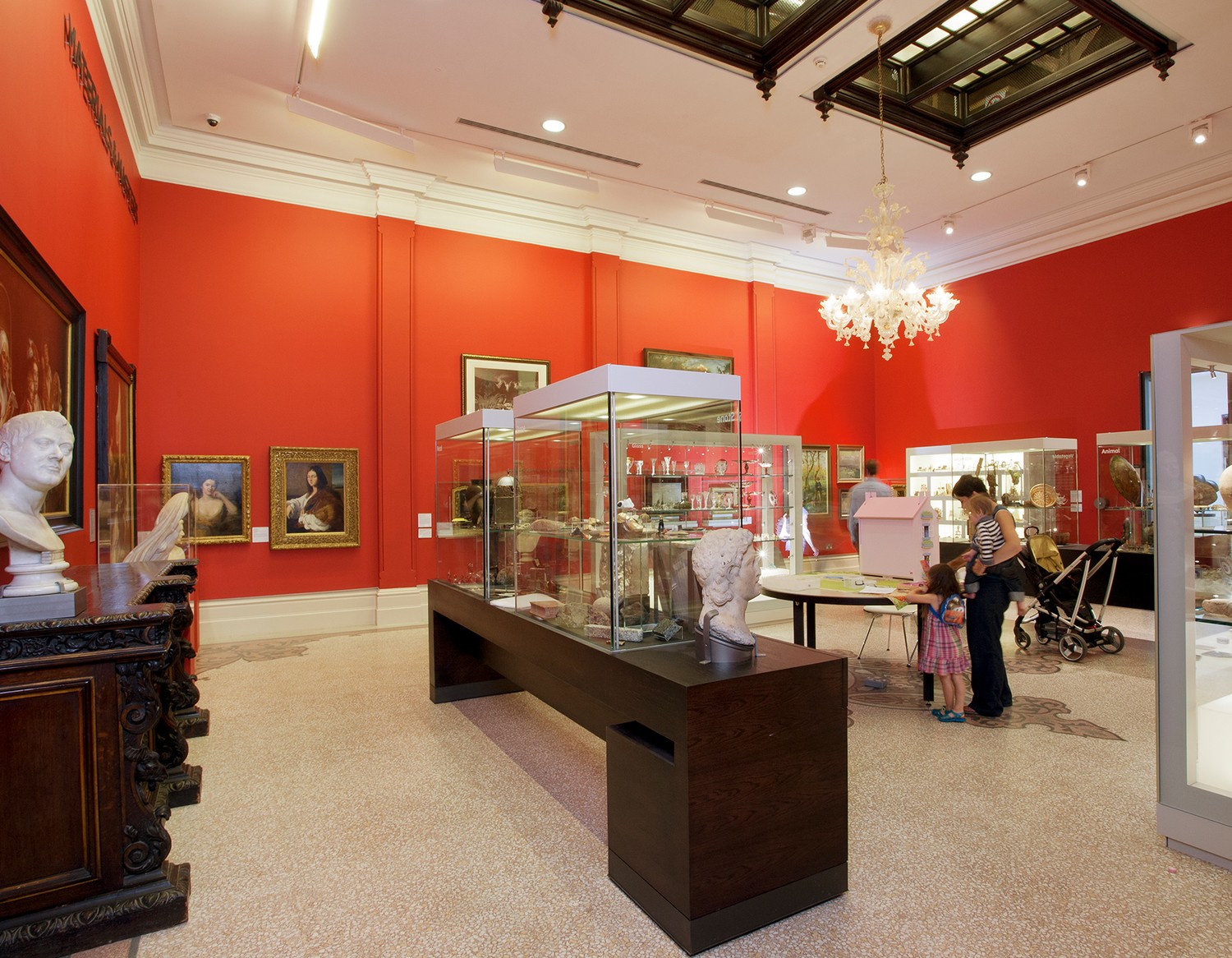
In contrast, The Beaney showcases a vibrant panorama of Victorian art alongside exhibitions reflecting contemporary artistic endeavors. Its elegant Victorian building provides an ideal backdrop for appreciating masterpieces from renowned painters like John Ottis Adams – whose “Art Museum Gallery,” a serene black & white drawing capturing the essence of Impressionism, exemplifies masterful technique and compositional balance.
A recent revitalization has seen the former Poor Priests’ Hospital transformed into The Marlowe Kit—a groundbreaking space dedicated to escape rooms, interactive exhibitions, and stimulating activities designed to captivate audiences of all ages. This innovative approach underscores Canterbury Museums' commitment to adapting museum experiences for a modern world while preserving its connection to historical narratives.
Admission is generally free, though special events and exhibitions may incur charges. To embark on an unforgettable exploration of Canterbury’s artistic soul, visit https://canterburymuseums.co.uk/en/museums/city-council-museums-and-galleries-united-kingdom-canterbury-en/. Don't miss the opportunity to immerse yourself in the captivating stories woven within these treasured cultural landmarks.
The Beaney’s architectural grandeur reflects its role as a beacon of Victorian culture, housing impressive collections spanning centuries. Its soaring ceilings and ornate detailing speak volumes about the artistic sensibilities of the era—a space designed not merely for displaying art but for inspiring contemplation and fostering intellectual curiosity.
What distinguishes City Council Museums And Galleries from other institutions is its singular blend of tradition and vision. The opportunity to explore Roman remains *in situ* at the Canterbury Roman Museum, coupled with The Marlowe Kit’s innovative engagement strategy, represents a powerful testament to Canterbury's enduring commitment to preserving history while embracing creativity.