- Pagina iniziale

- Musei
- Collezione al-Sabah Kuwait

Dettagli rapidi
- Featured artists: Mawlanā Nūr Al-Dīn 'Abd Al-Rahmān Or Abd-Al-Rahmān Nur-Al-Din Muhammad Dashti, Or Simply As Jami Or Djāmī And In Turkey As Molla Cami
- Works on APS: 1
- Location: Kuwait City, Kuwait
Quiz d'arte
Per ogni domanda è presente una sola risposta corretta.
Domanda 1:
Qual è la principale specializzazione della Collezione al-Sabah Kuwait?
Domanda 2:
La collezione comprende oltre quanti manufatti provenienti da diverse regioni del mondo islamico?
Domanda 3:
Chi ha fondato la Collezione al-Sabah Kuwait?
Domanda 4:
Quale tipo di opere d'arte sono particolarmente rappresentate nella collezione?
Domanda 5:
Dove si trova attualmente la Collezione al-Sabah Kuwait?
Artisti in collezione

Mawlanā Nūr Al-Dīn 'Abd Al-Rahmān Or Abd-Al-Rahmān Nur-Al-Din Muhammad Dashti, Or Simply As Jami Or Djāmī And In Turkey As Molla Cami
A leading Sufi poet of 15th-century Persia, Jami (Nūr al-Din Abd al-Rahmān) is celebrated for works like the *Haft Awrang* and his profound mystical verses that continue to inspire; discover the beauty and depth of his timeless art.

Articoli correlati
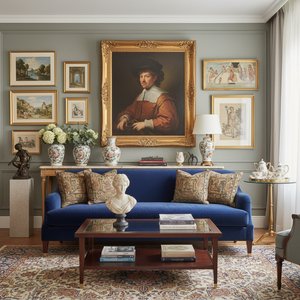
I 25 Capolavori dell'Hermitage di San Pietroburgo: Arte, Storia e Bellezza per la Tua Casa
Esplora i 25 capolavori dell'Hermitage di San Pietroburgo: Rembrandt, Leonardo, Michelangelo e altri maestri. Scopri storie, tecniche e colori che hanno fatto la storia dell'arte. Trova riproduzioni d'arte su OriginalUniqueArt.com!
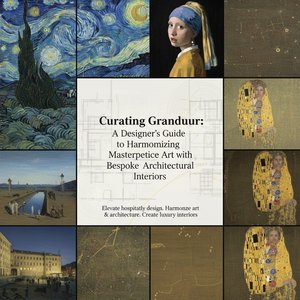
Harmonizing History & Hue: A Guide to Matching Art Styles with Interior Architecture for Balanced Décor
Elevate your interior design with our expert guide to harmonizing art styles & architecture. Discover timeless pieces, color palettes, & custom artwork solutions for balanced, luxury spaces. Expert advice included!
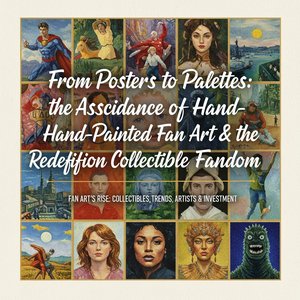
Dalla Stampa alla Tavolozza: L'Ascesa della Fan Art Dipinta a Mano e la Ridefinizione del Collezionismo Fandom
Scopri l'ascesa della fan art dipinta a mano! Guide esperte per collezionisti esigenti, riproduzioni di alta qualità e commissioni personalizzate. Investi in arte unica e autentica.


Iscriviti alla nostra newsletter
Rimani aggiornato sulle ultime novità dell'arte, sulle offerte esclusive e sulle idee di decorazione.
Ricevi 3 suggerimenti d'arte gratuiti
Raccontaci del tuo progetto e i nostri esperti d'arte ti proporranno 3 suggerimenti artistici personalizzati.
Not Sure Where to Start?
Let Us Curate 3 Options Just for You - Free!