

## Unveiling Strasbourg’s Protestant Heart: St. Thomas Church – A Journey Through Faith and Art
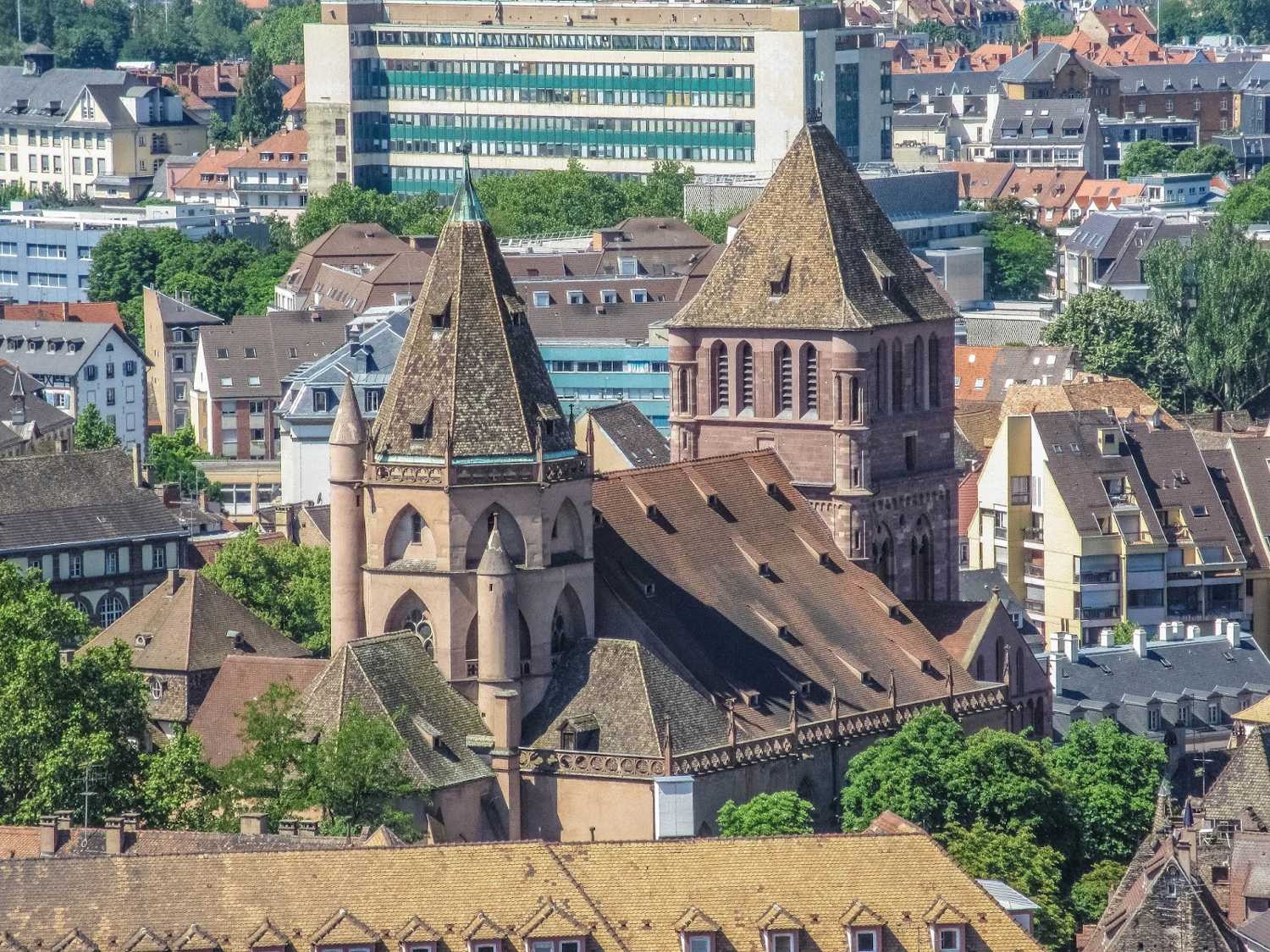
Nestled within the vibrant heart of Strasbourg, France, St. Thomas Church stands as a magnificent testament to centuries of religious transformation, architectural innovation, and cultural exchange. More than just a place of worship, this imposing structure—affectionately known as the “Protestant Cathedral”—offers visitors an immersive journey through Alsace’s unique heritage – a captivating blend of French and German influences that has shaped its identity for generations. Its soaring Gothic arches, intricate stained-glass windows, and profound historical connections make it a truly unforgettable destination for art enthusiasts, history buffs, and those seeking to understand the soul of Strasbourg.
The church's story begins long before its current form. While the site itself boasts Roman origins, dating back to Argentoratae – a strategically important military outpost – the present building rose from the ashes of earlier structures, including a magnificent church established in the ninth century by Bishop Adelochus. This initial edifice met tragic ends twice – first in 1007 and again in 1144 – before being painstakingly rebuilt in 1196. The resulting structure is a breathtaking fusion of Romanesque solidity and soaring Gothic ambition, reflecting the evolving religious landscape of Europe. The church’s five-naved hall, with its impressive dome and towering spire, was specifically designed to facilitate powerful preaching, solidifying St. Thomas's role as a central hub for Protestant thought. The architectural details—from the sculpted figures adorning the portals depicting biblical scenes to the ribbed vaults supporting the nave – are a testament to the skill and dedication of medieval craftsmen, showcasing the masterful techniques of Rayonnant Gothic architecture.
## A Center of Reformation and Artistic Patronage
The 16th century witnessed a dramatic shift within St. Thomas’s walls as the Protestant Reformation took hold. Under the leadership of Anton Firn and Wolfgang Capiton, the church became a vital center for new religious ideas, attracting scholars and reformers from across Europe. This period saw not only theological debate but also a flourishing of artistic patronage, with significant commissions undertaken to enhance the church’s beauty and reinforce its message. The mausoleum of Maurice de Saxe, a prominent French field marshal, commissioned by his widow in 1777, stands as a stunning example of late Baroque funerary art – a testament to the wealth and influence that flowed through Strasbourg during this era. The intricate marble sculptures, gilded details, and rich tapestries within the mausoleum offer a glimpse into the opulent tastes of the aristocracy and the profound respect afforded to those who had served their nation. The church’s organ, originally installed in 1741 and later restored by Albert Schweitzer, is another remarkable artifact – a masterpiece of Baroque organ building that continues to resonate with the sounds of sacred music.
## Treasures Within: Highlights of the Museum Collection
The museum housed within St. Thomas Church offers visitors a captivating exploration of its rich history and artistic heritage. Key highlights include:
* **The Mausoleum of Maurice de Saxe:** A breathtaking example of Baroque funerary art, showcasing exquisite marble sculptures, gilded details, and opulent tapestries that reflect the wealth and status of the marshal’s widow.
* **Early Printed Bibles & Reformation Pamphlets:** A collection of rare religious texts provides insight into the theological debates and intellectual currents of the Reformation era.
* **Sculptural Panels Depicting Biblical Scenes:** Intricately carved wooden panels adorn the church's interior, offering a visual narrative of key biblical stories.
* **The Silbermann Organ:** A masterpiece of Baroque organ building, meticulously restored to its former glory, allowing visitors to experience the sounds of sacred music within this historic space.
## Echoes of History: The Oaths of Strasbourg and Martin Bucer’s Influence
A significant historical marker within St. Thomas’s walls is its association with the Oaths of Strasbourg, an early example of vernacular language in writing. These documents, dating back to the 13th century, represent a crucial step in the development of both French and German languages – reflecting the region's unique linguistic landscape. Furthermore, the church holds a profound connection to Martin Bucer, a pivotal figure in the Protestant Reformation. Serving as pastor there from 1531 to 1540, Bucer shaped the course of Strasbourg’s religious revival and left an indelible mark on its intellectual and spiritual life. His legacy is palpable within the church's atmosphere, reminding visitors of the transformative power of faith and reason.
## A Unique Cultural Tapestry: Alsace’s Legacy
St. Thomas’s Church embodies the unique cultural blend of Alsace – a region historically caught between France and Germany. Its architecture reflects both French Gothic traditions and German influences, while its history is intertwined with the religious and political tensions that have shaped the region for centuries. The church stands as a symbol of resilience, faith, and the enduring spirit of Strasbourg’s diverse population. It's more than just a building; it’s a living monument to the city’s complex and captivating past – an invitation to step back in time and contemplate the forces that have shaped its identity.
Further Exploration: For those seeking deeper insights into St. Thomas’s history and significance, we recommend visiting the museum website at Museeprotestant.org and exploring related resources such as Wikipedia ( St Thomas’ Church, Strasbourg - Wikipedia ).