St. Anna Church: A Historical & Artistic Gem in Augsburg
St. Anna Church stands as a testament to Augsburg’s enduring legacy of artistic innovation and religious fervor—a place where Gothic grandeur intertwines with Renaissance elegance, culminating in Baroque splendor. Located prominently on Martin Luther Square, this Evangelical Lutheran parish church isn't merely a building; it’s a living chronicle of European history, offering visitors an unparalleled glimpse into pivotal moments like the Reformation and the Fugger family’s influence.Architectural Marvel: Layers of Style
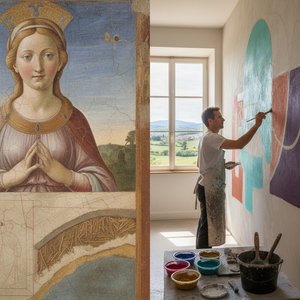
The church’s architectural narrative unfolds in distinct phases, reflecting evolving artistic sensibilities. Initially conceived as part of the Carmelite Priory in 1321, its foundations are rooted in Gothic tradition. The Goldsmith's Chapel, completed around 1420, exemplifies this style with breathtaking frescoes depicting passion cycles and the Last Judgement—a masterful demonstration of Byzantine influence adapted to Northern European aesthetics. However, Augsburg’s artistic spirit surged anew during the Renaissance, resulting in the construction of the Fugger Chapel in the early sixteenth century. Designed as a symbol of wealth and piety, it embodies the humanist ideals prevalent at the time, showcasing marble pavement, stained glass windows crafted with meticulous detail, and sculptural elements echoing Dürer's stylistic prowess—a remarkable achievement for its era. Later renovations embraced Baroque ornamentation, injecting opulent stucco work and frescoes by Franz Xaver Feuchtmayer and Johann Georg Bergmüller into the nave and aisles, creating a visual feast that speaks to the grandeur of the period.Collection Highlights: Treasures Within Walls
The Fugger Chapel undeniably dominates the collection’s spotlight—a cornerstone of Augsburg’s artistic heritage and a poignant reminder of the Fugger family's patronage. Its frescoes are considered among the earliest examples of Renaissance art north of the Alps, capturing the spirit of humanist thought and artistic experimentation. Equally captivating are the Goldsmith’s Chapel frescos, vibrant depictions of biblical narratives executed with exceptional skill and conveying profound religious symbolism. Furthermore, the Lutherstiege Museum, reopened in 2012 after a hiatus, delves into the transformative impact of the Reformation on Augsburg—illuminating the church's role as a site of theological debate and social upheaval. Visitors can explore exhibits detailing the intellectual currents of the time and examining how Augsburg’s artistic landscape responded to these seismic shifts.A Unique Dialogue: Catholicism and Protestantism Harmoniously Combined
What distinguishes St. Anna Church from countless other ecclesiastical buildings is its extraordinary duality – a tangible embodiment of the religious tensions that shaped sixteenth-century Europe. The Fugger Chapel retains its Catholic status despite the broader church’s conversion to Protestant worship, representing an enduring symbol of ecumenicism and tolerance. This historical juxtaposition underscores Augsburg's commitment to fostering understanding across faiths and serves as a powerful reminder of a time when artistic expression intersected with theological conviction. It is a testament to Augsburg’s ability to embrace diverse perspectives while preserving its cultural identity.- Notable Exhibitions: Regularly hosting exhibitions exploring themes of faith, art history, and Augsburg’s cultural heritage.
- Visitor Information: Easily accessible via Martin Luther Square, offering guided tours and educational programs for all ages.