Church of San Nicolo: A Tuscan Testament to Faith and Artistic Legacy
The Church of San Nicolo in Cingoli, Italy, stands as a testament to enduring faith interwoven with remarkable artistic achievement—a jewel nestled within the Marche region’s historic landscape. More than just a place of worship, it embodies the spirit of Tuscany itself, showcasing architectural grandeur alongside treasures that illuminate the artistic sensibilities of the fifteenth century.
A Romanesque Marvel: Architecture and Founding
Built in the thirteenth century, the church's design adheres faithfully to Romanesque principles. Its sturdy walls rise impressively from Piazza XX settembre, reflecting a deliberate intention to convey stability and reverence. Precise details regarding its initial construction remain elusive, yet its presence has been integral to Cingoli’s cultural identity for centuries—a beacon of piety guiding generations past. The harmonious proportions of the building contribute significantly to its visual impact, creating an atmosphere conducive to contemplation and spiritual connection. Its arches dominate the façade, demonstrating the mastery of Romanesque builders in achieving structural integrity while simultaneously conveying a sense of solemn grandeur.
The Giovanni di Paolo Triptych: A Window into Renaissance Painting
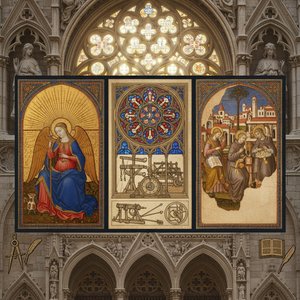
At the heart of San Nicolo’s collection resides a masterpiece by Giovanni di Paolo—a triptych completed in 1440 that exemplifies the artist’s distinctive style and offers invaluable insight into the burgeoning artistic fervor of the Quattrocento. Di Paolo, renowned for his vibrant color palettes and meticulous attention to detail, skillfully portrays biblical narratives with emotive expressions and masterful compositional balance. The use of tempera paint on wood ensures exceptional luminosity and textural richness—characteristics emblematic of Renaissance painting techniques. Examining this artwork allows viewers to appreciate not only artistic skill but also the cultural context in which it emerged. The triptych’s central panel depicts Saint Lorenzo receiving the treasures of the church from Saint Sisto, a scene brimming with symbolic significance that speaks to themes of piety and divine grace.
Saint Longino’s Tomb: A Symbol of Pilgrimage
Adding to the church's historical significance is the tomb of Saint Longino, a revered figure whose final resting place graces San Nicolo. The tomb itself—a sculpted limestone monument—represents an exemplary example of funerary art from its era and serves as a focal point for pilgrimage visits. Its intricate carvings depict scenes from Saint Longino’s life, conveying religious devotion and commemorating his sanctity. This solemn space underscores the enduring power of faith and remembrance within Cingoli's heritage. The tomb’s sculptural ornamentation reflects the stylistic conventions prevalent during the medieval period—a testament to artistic craftsmanship and spiritual aspiration.
Beyond Walls: Exhibitions and Artistic Exploration
San Nicolò regularly hosts exhibitions showcasing both local artistic traditions and broader explorations of medieval and Renaissance art history. These events provide opportunities for visitors to engage with scholarly interpretations and appreciate the transformative potential of encountering artworks firsthand. Furthermore, curators strive to contextualize pieces within their historical milieu, enriching understanding of the cultural values and beliefs that shaped their creation. Recent initiatives have focused on presenting comparative studies between San Nicolo’s artwork and similar ensembles across Europe—illuminating shared artistic influences and fostering dialogue about aesthetic ideals.
A Singular Blend: Why San Nicolò Remains Exceptional
What distinguishes San Nicolo from countless other churches is its unparalleled concentration of artistic treasures—a confluence of architectural grandeur and visual splendor. The juxtaposition of Tuscan Romanesque design with the luminous Giovanni di Paolo triptych creates an immersive experience that transcends mere observation; it invites contemplation on faith, art, and human history. It’s a place where visitors can reconnect with the past while marveling at enduring beauty—a true embodiment of Italy's artistic soul. Its serene setting and carefully curated exhibitions solidify its position as a destination for discerning travelers seeking inspiration and intellectual enrichment.