A Chronicle in Stone: Discovering Tournai Cathedral
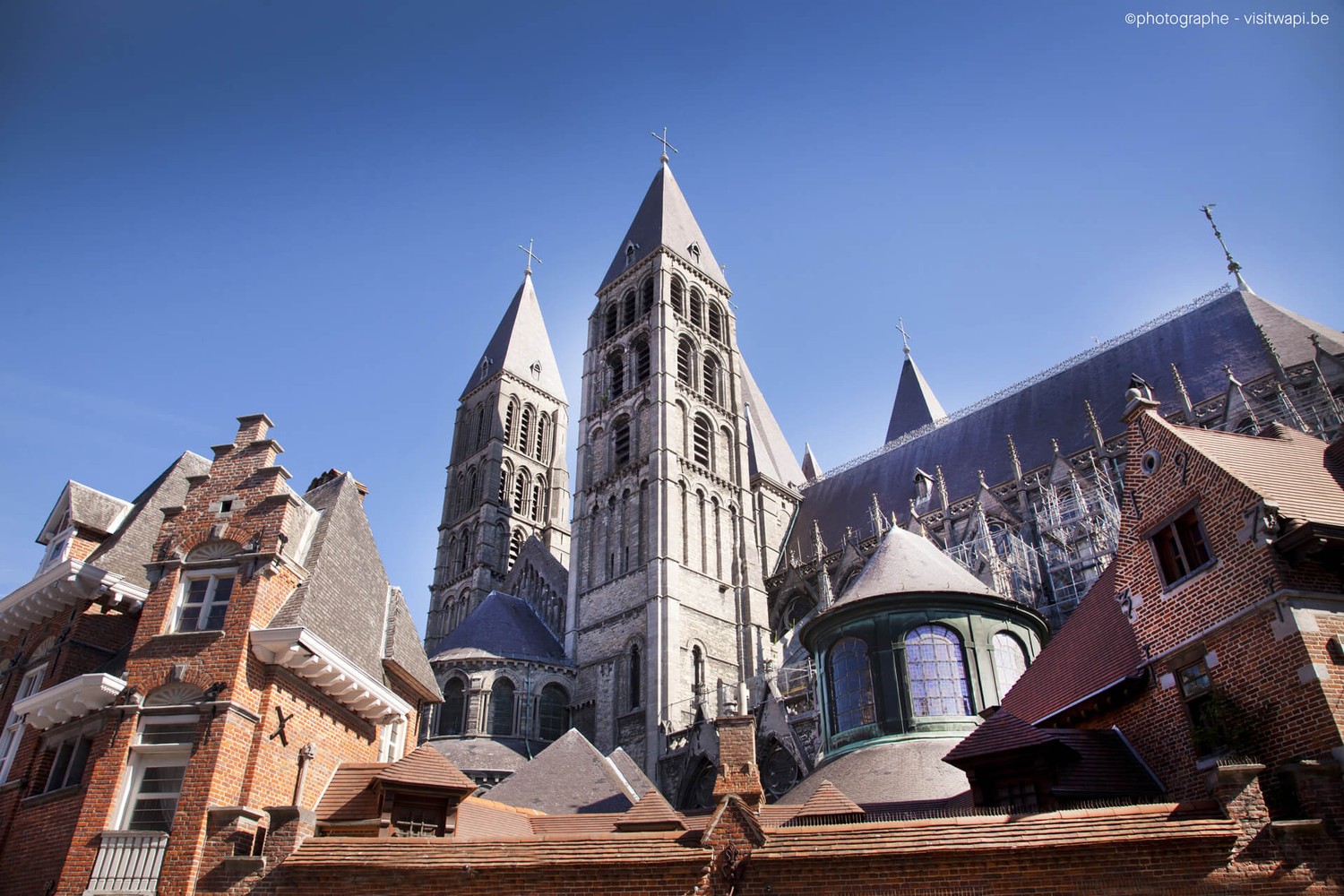
Stepping into Tournai Cathedral is akin to entering a living tapestry woven with centuries of faith, artistry, and historical resonance. This UNESCO World Heritage site in Belgium isn’t merely a religious edifice; it's a profound statement etched in stone, a testament to the enduring spirit of the Mosan region, and a captivating journey through the evolution of architectural styles. From its Romanesque foundations laid in the 12th century to subsequent Gothic flourishes and Baroque additions, the cathedral embodies a remarkable continuity, reflecting the shifting cultural currents that have shaped Europe for over eight hundred years.
The Five Towers: A Bold Declaration
Constructed in the 12th century as Tournai sought to assert its episcopal independence, these five towers stand as a monumental achievement of medieval engineering and symbolism. More than just structural supports, they represent a deliberate proclamation of the city’s importance and spiritual authority—a miniature Jerusalem mirroring the holy city itself. Crafted from locally quarried bluish-grey limestone, their presence instantly establishes Tournai Cathedral as a beacon of faith and civic pride. The towers' design reflects the prevailing Gothic aesthetic, prioritizing height and grandeur to inspire awe and convey divine majesty. Their soaring arches and ribbed vaults are a testament to the ambition and skill of medieval builders who aimed to elevate the cathedral’s spiritual stature.
Treasures of the Mosan Art
Beyond its impressive architecture, Tournai Cathedral houses an extraordinary collection of art—primarily the Mosan art treasury—that exemplifies the zenith of medieval craftsmanship. This treasure trove showcases exquisite metalwork, particularly shrines dedicated to Our Lady and Saint-Eleuthère, adorned with intricate detail and demonstrating unparalleled skill by local artisans. These aren’t simply devotional objects; they are masterpieces of artistry, reflecting the wealth and piety of the Mosan region. The treasury also preserves relics associated with Charles V, Holy Roman Emperor—a tangible connection to one of Europe's most influential rulers—further enriching Tournai Cathedral’s historical narrative. Examining these pieces allows visitors to appreciate the meticulous techniques employed by medieval artisans – hammering, soldering, inlaying – transforming raw materials into objects of breathtaking beauty and spiritual significance.
A Legacy of Emperors and Saints
The cathedral’s history stretches back centuries, marked by royal patronage and religious devotion. Notably, it houses relics attributed to Charles V, Holy Roman Emperor, symbolizing the grandeur of imperial power alongside spiritual significance. Furthermore, the Renaissance rood screen—a sculpted wooden masterpiece—once separated the choir from the nave, offering a glimpse into liturgical practices of bygone eras. These elements contribute to Tournai Cathedral’s multifaceted identity as both a religious sanctuary and a repository of European history. The cathedral witnessed pivotal moments in Belgian and European history – coronations, celebrations, and periods of upheaval – solidifying its role as a symbol of national heritage and artistic excellence.
Architectural Evolution: From Romanesque Roots to Gothic Splendor
The cathedral's story begins with robust Romanesque foundations laid in the 12th century, reflecting the architectural traditions of its time—characterized by thick walls, barrel vaults, and a solemn atmosphere. However, Tournai Cathedral’s true magnificence emerges during the Gothic period, when ambitious builders undertook significant renovations, resulting in soaring arches, stained glass windows, and ribbed vaults that transformed the cathedral into a space of ethereal beauty. This architectural transformation symbolizes the spiritual fervor of the era and showcases the mastery of Gothic craftsmanship. The interplay of light filtering through vibrant stained glass panels illuminates the interior, creating an atmosphere of contemplative serenity—a testament to the enduring power of art to inspire awe and elevate the human spirit.
Tournai Cathedral Today: Inspiration for Artists and Visitors
Tournai Cathedral continues to inspire awe and reverence in visitors today, serving as a vibrant cultural center and attracting artists and scholars alike. Its enduring appeal lies in its ability to seamlessly blend history and art—a testament to the transformative power of faith and creativity. Exploring this UNESCO World Heritage Site offers an unforgettable journey into Europe’s artistic heritage and provides a profound connection to centuries past. The cathedral's ongoing preservation ensures that future generations can experience the majesty of Gothic architecture and appreciate the legacy of artists who have shaped its visual identity—a beacon of cultural continuity in the heart of Belgium.