Menu
CONSULENZA D'ARTE GRATUITA

Cattedrale di Strasburgo

Dettagli rapidi

  • Works on APS: 1
  • Alternate names:
    • Cattedrale
    • Cattedrale di Strasburgo
    • Museo dellOpera Notre Dame
    • Notre Dame Museum
  • Location: Strasburgo, France
  • Featured artists: veit wagner

Quiz d'arte

Per ogni domanda è presente una sola risposta corretta.

Domanda 1:
Qual movimento artistico è rappresentato principalmente nella collezione del Museo dell’Œuvre Notre Dame?
Domanda 2:
L'atmosfera del museo nel suo complesso ricorda quella della Cattedrale di Strasburgo creando un senso di:
Domanda 3:
Qual aspetto storico è enfatizzato dall'attenzione del Museo dell’Œuvre Notre Dame all'arte dell'Alto Reno?
Domanda 4:
Cosa distingue il Museo dell’Œuvre Notre Dame dagli altri musei che espongono arte religiosa?
Domanda 5:
Le attività del museo hanno avuto origine dalle officine dedicate alla:

A Pilgrimage Through Gothic Splendor: Exploring Strasbourg Cathedral & Musée de l'Œuvre Notre-Dame

Strasbourg Cathedral & Musée de l'Œuvre Notre-Dame stands as a testament to centuries of artistic devotion and architectural innovation, nestled within the heart of Alsace. More than just a building, it’s an immersive experience—a journey back in time to witness the evolution of Upper Rhenish art and craftsmanship. Founded in 1164, its enduring presence continues to inspire awe and scholarly fascination.

Upper Rhenish Art: A Legacy of Faith and Form

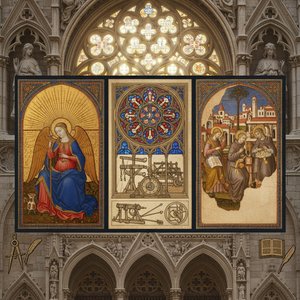
The museum's core collection focuses on Upper Rhenish art spanning from the 12th to the 17th centuries—a period defined by fervent religious belief and remarkable artistic achievement. Artists responded to divine inspiration with breathtaking sculptures, intricate stained glass panels, and monumental architectural projects. These pieces aren’t merely decorative; they embody the spiritual ethos of the era, reflecting theological concepts and biblical narratives through masterful technique. The collection showcases a stunning array of sculptural masterpieces—original statues that once graced the cathedral's interior—demonstrating unparalleled skill in carving stone and conveying emotion with palpable realism. Furthermore, the museum houses fragments of stained glass windows, painstakingly reconstructed to recapture their original vibrancy and luminosity. Each panel tells a story from scripture, utilizing color symbolism to heighten its impact on viewers. The meticulous detail evident in these artworks speaks volumes about the artistic standards of the time—a testament to the dedication and artistry of craftsmen who sought to glorify God through visual expression.

The Cathedral’s Architectural Soul: A Harmonious Embrace

Strategically situated within Strasbourg Cathedral itself, Musée de l'Œuvre Notre-Dame isn’t merely housed alongside the cathedral; it exists as an integral part of its narrative. The museum’s architectural design—a deliberate echo of Gothic grandeur—creates a contemplative atmosphere perfectly suited for appreciating the cathedral’s artistic treasures. Constructed primarily during the High Gothic period, the cathedral’s soaring nave and ribbed vaults exemplify the ambition of medieval builders to create spaces that inspire reverence and elevate the human spirit. Visitors can trace the cathedral's construction history through detailed plans and architectural models—remarkable artifacts that reveal the ingenuity and precision employed by generations of craftsmen. The interplay between light and stone—a hallmark of Gothic architecture—transforms the interior into a space of ethereal beauty, inviting contemplation and fostering a profound connection with religious tradition.

From Workshops to Institution: A History Rooted in Preservation

The museum’s origins lie in workshops dedicated to safeguarding and restoring Strasbourg Cathedral’s artworks. Initially conceived as a repository for damaged sculptures and stained glass fragments, its mission expanded over time to encompass scholarly research and public engagement. Today, Musée de l'Œuvre Notre-Dame serves as a beacon of cultural heritage—a place where experts analyze historical materials and disseminate knowledge about Upper Rhenish art history. Ongoing exhibitions delve into specific artistic movements and techniques, illuminating the creative spirit of bygone eras. The museum’s evolution reflects the broader intellectual currents of its time—a commitment to preserving artistic legacies while fostering dialogue between past and present.

Notable Exhibitions & Artistic Innovations

Recent exhibitions have explored themes ranging from medieval iconography to the influence of Renaissance aesthetics on Upper Rhenish art. Particularly noteworthy is Tobias Stimmer’s “Astronomical Movement in the Strasbourg Cathedral,” which examines the cathedral's innovative use of astronomical instruments during its construction—a testament to the intellectual curiosity of the time. Furthermore, Marius Alexander Jacques Bauer’s depictions of Saint Peter and Saint Mary exemplify the artistic prowess of the Baroque period, showcasing dramatic compositions and masterful rendering of drapery and texture. These exhibitions underscore the museum’s role as a center for scholarly inquiry and contribute to a deeper understanding of Upper Rhenish art's significance within European cultural history.

A Singular Perspective: Upper Rhenish Art Beyond Borders

What distinguishes Musée de l'Œuvre Notre-Dame is its unwavering focus on Upper Rhenish art—a region often overshadowed in broader European art histories. By concentrating on this distinctive artistic tradition, the museum offers visitors a unique opportunity to gain insight into the cultural landscape of medieval Alsace and Lorraine. Its collection embodies the spirit of innovation and devotion that characterized this pivotal period, ensuring that Strasbourg Cathedral’s legacy continues to inspire generations of scholars and artists alike.