


Una Sinfonia Rinascimentale in Pietra: La Maestosità della Cattedrale di Granada
Nel cuore pulsante dell'Andalusia, dove gli echi della grandezza islamica incontrano le ambizioni ascendenti del trionfo cristiano, sorge la Cattedrale di Granada. Non si tratta di un semplice monumento di pietra e malta; è una cronaca vivente dell'era più trasformativa della Spagna. Avvicinarsi alla sua monumentale facciata significa testimoniare la manifestazione fisica della Reconquista, una struttura nata proprio sul sito della Grande Moschea di Granada. La cattedrale funge da profondo ponte architettonico, dove la memoria di un califfato scomparso è stata sovrascritta dal fiorente splendore del Rinascimento e dalla drammatica teatralità del Barocco. È un luogo in cui la storia non risiede solo nei libri, ma respira attraverso le intricate sculture e l'atmosfera densa e sacra della sua vasta navata.
Il viaggio architettonico della cattedrale è un percorso di evoluzione e stratificazione artistica, una lezione magistrale su come epoche diverse possano armonizzarsi per creare un senso di stupore unico e travolgente. La visione iniziale, concepita dal maestro Diego de Siloe , cercava di onorare una base gotica, eppure lo spirito dell'epoca infuse rapidamente il progetto con gli ideali rinascimentanti di proporzione e grazia classica. Con il passare dei decenni e dei secoli, architetti come Enrique Egas e Juan de Maeda hanno costruito su questa fondamenta, introducendo l'esuberante ornamentazione caratteristica del Barocco spagnolo. Questa fusione crea una tensione estetica unica: un gioco ritmico tra la forza strutturale delle tradizioni medievali e l'energia fluida ed emotiva dei movimenti successivi che incanta l'occhio moderno.
Tesori Spirituali e Maestria Artistica
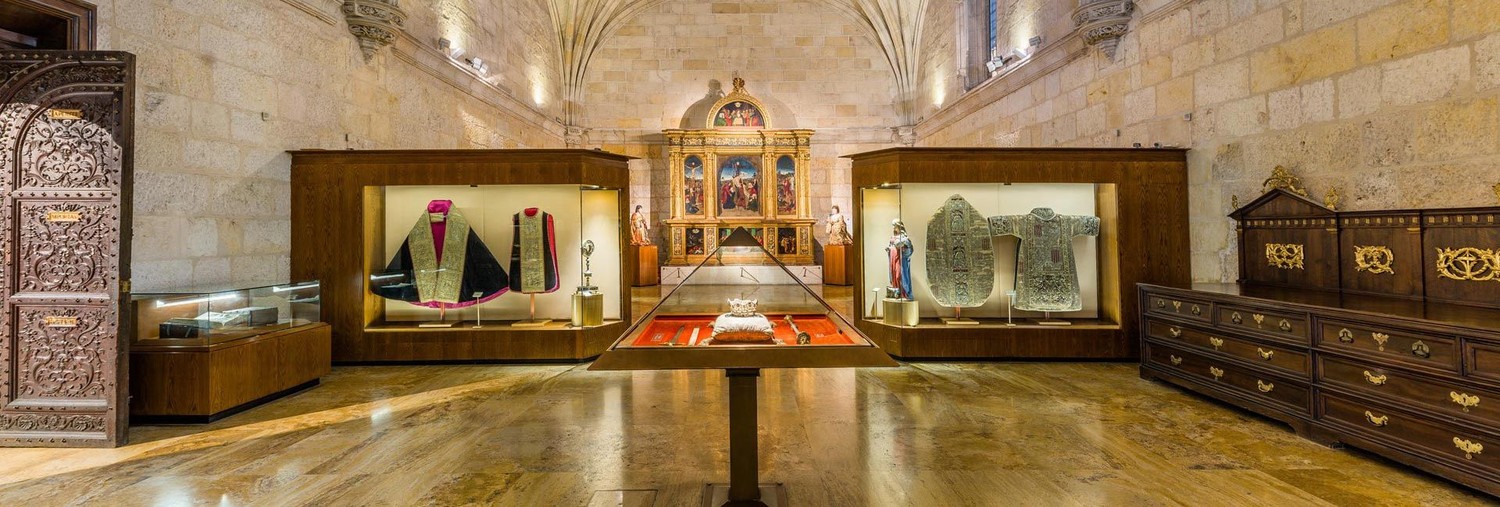
Entrando, il visitatore viene avvolto da una collezione senza pari di tesori spirituali e artistici che illuminano le vette della maestria del XVII e XVIII secolo. L'interno funge da santuario per dipinti monumentali che utilizzano il chiaroscuro per evocare profonde verità teologiche, trascinando lo spettatore in scene di un realismo mozzafiato. Per i collezionisti e i progettisti di spazi raffinati, la cattedrale rappresenta l'ispirazione suprema di grandezza e consistenza, offrendo un'eredità di luce e ombra che trascende il tempo.
Forse l'esperienza più trascendente si trova all'interno della Cappella Reale. Dedicato alla memoria della Regina Isabella I e del Re Ferdinando II, questo spazio sacro è uno scrigno di successi artistici. Tra queste mura, si possono scoprire:
- Volte altissime ornate da intricati mosaici che catturano la luce divina.
- Splendide vetrate colorate realizzate da artigiani fiamminghi, che filtrano la luce solare trasformandola in un caleidoscopio di colori.
- La tomba in alabastro dei sovrani, che aggiunge uno strato di solennità e ancora lo splendore artistico della cattedrale alle fondamenta stesse dell'identità nazionale spagnola.
La cattedrale rimane un faro di conservazione, una testimonianza del potere duraturo dell'arte nel definire una cultura. Essa si erge come un promemoria del fatto che la vera bellezza si trova negli strati del tempo: nel modo in cui un singolo luogo può custodire il peso della conquista, la luce della fede e l'eterna eleganza della creatività umana.


