

Cathedral of Barcelona – A Journey Through Time and Faith
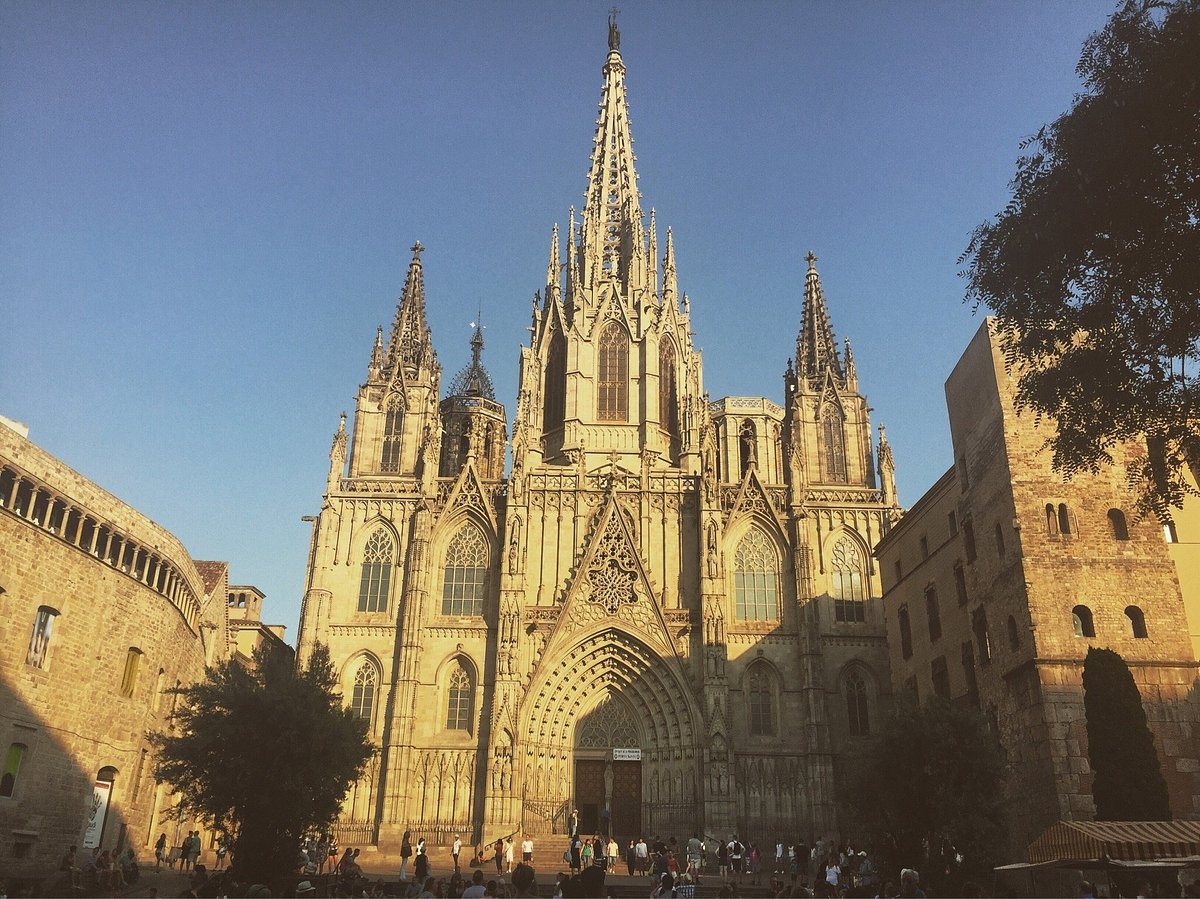
The Cathedral of Barcelona, officially Hohe Domkirche zu Köln (High Cathedral Church at Cologne), stands as a testament to centuries of artistic evolution and spiritual devotion. Located in the heart of Barcelona’s Gothic Quarter, this UNESCO World Heritage Site isn't merely a building; it’s an immersive experience transporting visitors back through Romanesque beginnings to the soaring heights of Catalan Gothic grandeur.
Historical Legacy: From its initial Roman temple erected in 290 AD—a poignant reminder of Saint Eulalia’s martyrdom—the cathedral has undergone successive transformations, reflecting Barcelona's turbulent history under Roman rule, Moorish dominion, and subsequent Christian revival. Its walls bear witness to pivotal moments in Catalan history—from royal coronations to religious processions—solidifying its role as a symbol of Catalan identity.
Romanesque Roots: The earliest incarnation, completed in 1058, established a solid foundation for the magnificent Gothic structure that would follow. Its austere design embodies the spirit of the era—a solemn expression of faith amidst political upheaval. The cathedral’s Romanesque façade reflects the architectural sensibilities of its time—characterized by massive stone blocks and geometric ornamentation.
Catalan Gothic Splendor: Beginning in 1298, Antoni Gaudí spearheaded an ambitious project to rebuild the cathedral on the ruins of its predecessor, incorporating innovative techniques and stylistic flourishes that would redefine Catalan architecture. Gaudí’s vision blended traditional craftsmanship with avant-garde experimentation—resulting in a masterpiece unlike any other.
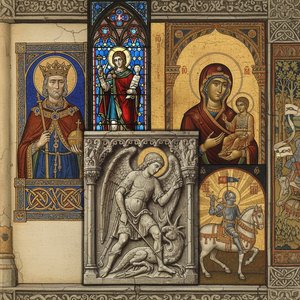
Notable Exhibitions: Throughout its history, the Cathedral has hosted significant artistic events, showcasing illuminated manuscripts, religious sculptures, and architectural models—providing invaluable insights into medieval art and culture. These exhibitions illuminate Barcelona’s artistic heritage and foster appreciation for Catalan Gothic artistry.
Exploring Architectural Marvels
The cathedral’s façade, conceived by Josep Maria Huguet in 1883, is a breathtaking example of neo-Gothic artistry. Its intricate carvings depict biblical scenes and heraldic emblems—a visual narrative that underscores the cathedral's spiritual significance. The soaring nave, reaching a height of over 45 meters, dominates the interior space, creating an atmosphere of awe and reverence.
The Nave: Gaudí’s masterful engineering ensured structural stability while maximizing light penetration—a deliberate choice reflecting Christian symbolism and enhancing the spiritual experience. Light streams through stained glass windows—illuminating the nave with ethereal hues—creating a mesmerizing spectacle for visitors.
Radiant Chapels: The ambulatory’s nine radiating chapels, adorned with stained glass windows depicting saints and biblical figures, bathe the cathedral in vibrant hues—creating a kaleidoscope of color that evokes contemplation and devotion. Each chapel is meticulously crafted—a testament to Gaudí's dedication to artistic perfection.
The Choir Stalls: Elaborate choir stalls crafted by Pere Oller i Rull showcase exquisite Gothic sculpture—demonstrating unparalleled artistic skill and attention to detail. Each stall is adorned with intricate carvings depicting biblical narratives—reflecting the profound theological themes of the cathedral’s liturgical traditions.
A Unique Urban Oasis
Located beneath the bustling streets of Barcelona, MUHBA’s Cathedral site houses a remarkable Roman archaeological zone—a hidden treasure trove of artifacts from the Roman city of Barcino. Visitors can descend into this subterranean realm to witness firsthand the vestiges of ancient civilization alongside the cathedral’s monumental architecture.
Urban Archaeology: The juxtaposition of Roman ruins and Gothic grandeur underscores Barcelona’s multifaceted heritage—a captivating reminder that history unfolds in layers beneath our feet. Exploring the archaeological zone offers a fascinating glimpse into Barcelona's formative years—providing context for understanding its artistic and architectural achievements.
Bartolomé Ordóñez – A Gothic Master
The cathedral's choir stalls are attributed to Bartolomé Ordóñez, a pivotal Spanish Renaissance sculptor who bridged Italian High Renaissance styles with Iberian artistry. Known for emotive religious scenes like the Adoration of the Magi & Barcelona Cathedral choir stalls, he prof