A Window into Edwardian Domestic Life: Exploring Mr Straw’s House
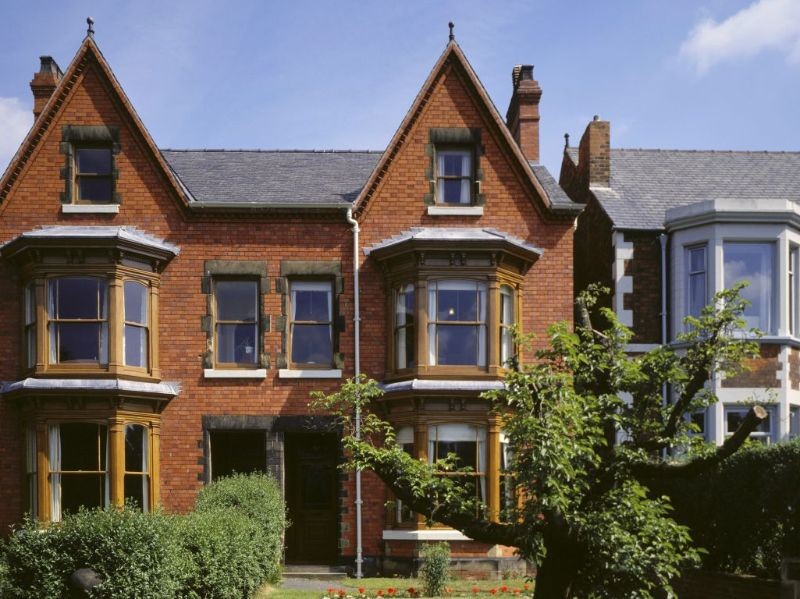
Mr Straw’s House stands as an extraordinary testament to a bygone era—a meticulously preserved semi-detached home nestled in Worksop, Nottinghamshire, offering visitors an unparalleled glimpse into the daily rhythms and aesthetic sensibilities of the Edwardian period. Unlike many historic residences that have undergone extensive renovations or reinterpretations, this property retains its remarkable authenticity thanks to the unwavering dedication of successive owners who prioritized preserving its original character. Recognized as a National Trust site since 1990, Mr Straw’s House isn't merely bricks and mortar; it’s a tangible embodiment of Victorian values—simplicity, frugality, and an appreciation for craftsmanship—making it a truly exceptional destination for anyone interested in understanding the social history of Britain.
The Straw Family Legacy: A Chronicle of Everyday Life
Established around 1905 on Blyth Grove, Mr Straw’s House belonged to William Straw and his wife Florence. William, a successful grocer, invested wisely in this comfortable dwelling, allowing him and Florence to furnish it with considerable care and attention. The Straw family's lifestyle—characterized by careful budgeting and a commitment to traditional values—contributed significantly to the house’s preservation. Following William’s untimely death in 1932, Florence continued his legacy, making only minor alterations to maintain the atmosphere of the time. Walter Straw, their son, cared for the property until his passing in 1976, ensuring that Mr Straw's House remained untouched by modern trends.
The house’s true fascination lies within its extraordinary collection—over 30,000 everyday objects meticulously amassed by the Straw family. These items span furniture pieces crafted with meticulous detail, groceries reflecting the tastes of the era (including tins bearing evocative advertising imagery), household implements showcasing Victorian ingenuity, and personal belongings revealing glimpses into the hobbies and interests of William and Florence. Notably, a stunning stained glass front door welcomes visitors into the hallway—a bold statement of Art Nouveau style that immediately establishes the house’s artistic spirit. The decorative dado—a raised paneling running along the walls—is adorned with intricate geometric patterns reflecting the prevailing aesthetic sensibilities of the period. Furthermore, the stair runner—a richly patterned textile—incorporates Egyptian motifs inspired by the discovery of Tutankhamun's tomb in 1922, symbolizing grandeur and exoticism.
### Architectural Elegance: Embracing Victorian Domestic Style
Mr Straw’s House exemplifies the architectural style prevalent during the Edwardian era—characterized by symmetry, proportion, and a focus on comfort and practicality. The semi-detached design reflects the aspirations of middle-class families seeking to create aesthetically pleasing yet functional homes. Each room is thoughtfully arranged to facilitate daily activities—from formal entertaining in the dining room adorned with dark wallpaper and ornate fireplace surrounds to intimate family life in the parlour bathed in soft light from Tiffany lamps. Careful consideration was given to materials—slate tiles for the fireplace, linoleum flooring reflecting the influence of American design trends—demonstrating a commitment to both beauty and innovation.
### Collection Highlights: Echoes of an Era
The Straws’ collection speaks volumes about Victorian society—a testament to their refined tastes and unwavering devotion to preserving family traditions. Among the treasures housed within Mr Straw’s House are over 30,000 objects that illuminate daily life during the Edwardian period. These include meticulously crafted furniture pieces reflecting the influence of Art Nouveau design trends, decorative textiles showcasing intricate floral motifs—a hallmark of Victorian interior decoration—and an impressive array of ceramics and glassware bearing distinctive patterns reminiscent of Belle Époque artistry. Visitors can marvel at vintage tins bearing advertisements for Lux soap and Vim syrup—symbols of domestic hygiene during the era—and examine meticulously placed personal belongings revealing glimpses into the Straw family’s passions for gardening and collecting porcelain figurines. The centerpiece of the collection is undoubtedly a magnificent stained glass front door—a bold statement of Art Nouveau style that immediately establishes the house’s artistic spirit.
### A Singular Experience: Preserving Time Capsule Atmosphere
Visiting Mr Straw’s House is akin to stepping back into history. Unlike grand museums filled with masterpieces, this property prioritizes conveying the essence of Victorian domestic life—a realm where craftsmanship reigned supreme and daily rituals shaped one's experience. The absence of theatrical displays underscores the importance of observing authentic details—vintage tins bearing advertisements for Lux soap and Vim syrup—and examining meticulously placed personal belongings revealing glimpses into the Straw family’s passions for gardening and collecting porcelain figurines. The annual display room theme offers fresh perspectives on this remarkable time capsule, prompting visitors to contemplate the values and sensibilities that defined Edwardian Britain.
### Notable Exhibitions: Illuminating Victorian Society
The National Trust regularly organizes exhibitions exploring various facets of Victorian life—from social customs and artistic movements to technological advancements and scientific discoveries. These events provide invaluable insights into the context surrounding Mr Straw’s House, enriching visitors' understanding of the era’s cultural landscape. Furthermore, educational programs designed for children and adults alike foster appreciation for heritage conservation and inspire curiosity about history—demonstrating the Trust’s commitment to disseminating knowledge and fostering engagement with Britain’s past.