Menu
CONSULENZA D'ARTE GRATUITA

Cappella del Liceo

Dettagli rapidi

  • Alternate names: Cappella del Liceo
  • Works on APS: 1
  • Featured artists: françois anguier
  • Location: Moulins, Francia

Quiz d'arte

Per ogni domanda è presente una sola risposta corretta.

Domanda 1:
Qual è il principale punto focale della collezione d'arte della Cappella del Liceo?
Domanda 2:
Chi sono Remy e Nicolas Moulin, e quale contributo danno le loro opere d'arte all'estetica della cappella?
Domanda 3:
Qual è il Mausoleo di Anguier, e perché è considerato un esempio eccezionale di arte barocca?
Domanda 4:
Quale stile architettonico caratterizza la Cappella del Liceo?
Domanda 5:
Perché la Cappella del Liceo è considerata un collegamento vitale con il ricco passato religioso e artistico della Francia?

Chapel of the Lycée: A Sanctuary of Baroque Splendor and Local Artistic Legacy

The Chapel of the Lycée in Moulins, France, stands as a testament to the artistic fervor of the 17th century and embodies a singular blend of religious devotion and regional pride. More than just a building adorned with art, it’s a window into the soul of Auvergne’s cultural heritage—a place where visitors can lose themselves in contemplation alongside masterpieces crafted by both celebrated masters and talented local artists. Its unassuming exterior belies the profound beauty contained within its walls, making it a destination for discerning connoisseurs of European Baroque art.

Collection Highlights: Remy & Nicolas Moulin Paintings

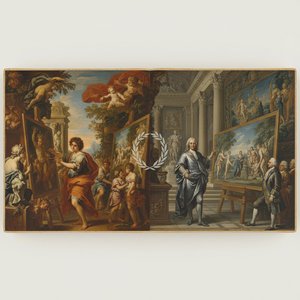
The chapel’s artistic treasures begin with the captivating oeuvre of Remy and Nicolas Moulin, two Moulins-based painters who profoundly shaped its aesthetic character. Their canvases—characterized by masterful technique and imbued with evocative storytelling—capture the spirit of their time, reflecting prevailing Baroque sensibilities. Detailed examination reveals meticulous brushwork, vibrant color palettes, and compositions that convey profound emotional depth. These paintings aren’t merely decorative; they are narratives rendered in pigment, offering glimpses into the beliefs and values of a bygone era. Moulin's works exemplify the stylistic trends of the period, demonstrating an impressive understanding of perspective and chiaroscuro—techniques employed to heighten dramatic effect and illuminate the spiritual themes conveyed within each scene. The chapel’s collection includes several portraits depicting prominent figures from Moulins society, showcasing Moulin’s skill in capturing likenesses with remarkable accuracy and conveying subtle psychological nuances.

The Anguier Mausoleum: An Exemplar of Baroque Sculpture

Dominating the chapel's interior is the magnificent Anguier mausoleum—a breathtaking achievement of funerary sculpture that exemplifies the grandeur and emotional intensity typical of Baroque art. Created by renowned sculptors, this monumental piece commands attention with its intricate detailing and dramatic pose. The sculpted figures convey a palpable sense of sorrow and reverence, reflecting the solemn rituals surrounding death and commemorating the deceased’s life. Its polished marble surface glistens softly in the candlelight, creating an atmosphere of ethereal beauty—a poignant reminder of mortality and artistic excellence. The mausoleum's design incorporates classical elements—such as Corinthian columns and ornate ornamentation—demonstrating the influence of humanist ideals on Baroque sculpture. It serves as a powerful symbol of faith and remembrance, inviting contemplation on the mysteries of life after death.

Architectural Marvel: Harmony in Form and Function

The chapel itself is a remarkable architectural accomplishment, reflecting the stylistic conventions prevalent during its construction. Built according to principles of classical architecture blended with Gothic influences, it possesses proportions that inspire awe and serenity. The soaring ceilings, adorned with delicate frescoes depicting biblical scenes, draw the eye upwards towards heaven—a deliberate gesture intended to foster spiritual contemplation. Careful consideration was given to every element of design, from the placement of windows to the arrangement of liturgical furnishings, creating a space where beauty and faith converge seamlessly. The chapel’s cruciform plan—characteristic of Catholic churches throughout Europe—emphasizes the centrality of Christ as savior. Its stained glass windows bathe the interior in colored light, enhancing the visual impact of the frescoes and creating an atmosphere of solemn grandeur.

Historical Significance: Patronage, Faith, and Cultural Identity

The Chapel of the Lycée holds deep roots in Moulins’ history, serving as a focal point for religious observance and artistic patronage for centuries. Originally conceived as part of the Lycée—a prestigious educational institution—it represents an integral component of Auvergne's cultural identity. Its walls bear witness to generations of worshippers and artists who sought inspiration within its sacred space. The chapel’s survival through tumultuous periods underscores the enduring importance of faith and artistic legacy—a tangible connection to France’s rich past. Donations from wealthy families ensured the preservation of the chapel’s architectural integrity and supported ongoing artistic endeavors, cementing Moulins' reputation as a center for cultural excellence.

What Makes the Chapel Unique

Unlike larger museums that prioritize breadth over depth, the Chapel of the Lycée offers an immersive experience focused on concentrated artistic treasures—a rare opportunity to appreciate masterpieces in their original context. Its intimate setting encourages contemplation and fosters a connection with the spiritual traditions of its time. Furthermore, the chapel’s collection distinguishes itself through the inclusion of works by Remy and Nicolas Moulin—local artists whose contributions illuminate regional artistic heritage. Visitors can gain insights into Moulins' cultural landscape and explore the stylistic nuances that define Auvergne’s Baroque aesthetic. The Chapel of the Lycée remains a testament to the enduring power of art to inspire awe, provoke reflection, and transmit cultural values across generations.