Menu
CONSULENZA D'ARTE GRATUITA

Campo Dei Gesuiti

Dettagli rapidi

  • Featured artists: domenico rossi
  • Works on APS: 2
  • Alternate names:
    • Chiesa di Santa Maria Assunta detta I Gesuiti
    • I Gesuiti
    • Church of Santa Maria Assunta (I Gesuiti)
    • I Gesuiti Church
    • Campo Dei Gesuiti
  • Location: Venezia, Italia

Quiz d'arte

Per ogni domanda è presente una sola risposta corretta.

Domanda 1:
Campo Dei Gesuiti è situato nella città italiana:
Domanda 2:
Lo stile architettonico principale della Chiesa di Santa Maria Assunta (I Gesuiti) è:
Domanda 3:
Quale tipo di decorazione domina le pareti interne e i soffitti della Chiesa dei Gesuiti?
Domanda 4:
Chi ha dipinto "Campo Dei Gesuiti"?
Domanda 5:
Campo Dei Gesuiti è nato nel:

Campo Dei Gesuiti: A Venetian Gem

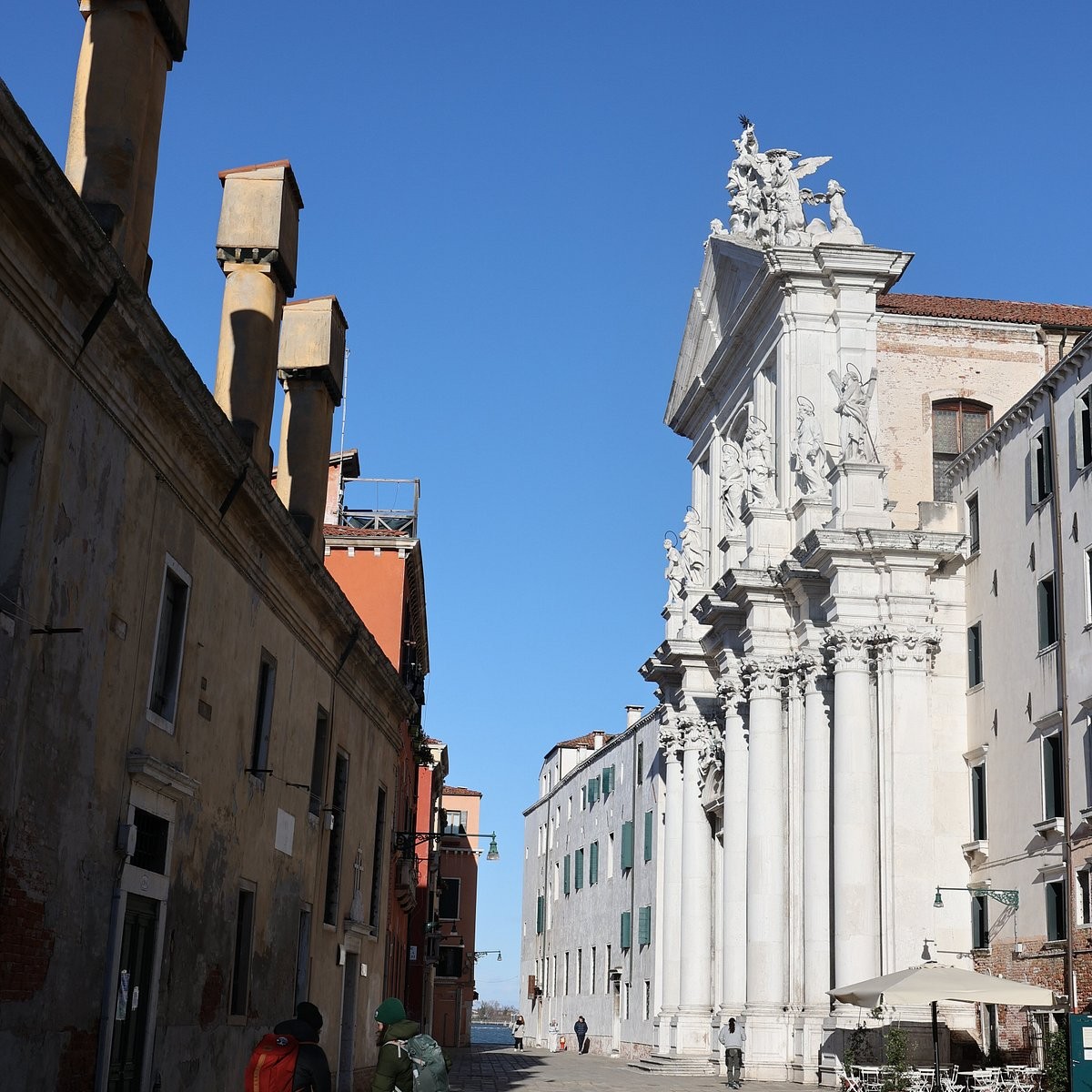
Campo dei Gesuiti is more than just a church; it’s a testament to Venice's artistic heritage and the enduring legacy of Jesuit patronage. Located in the tranquil sestiere Cannaregio, this complex offers visitors an unparalleled glimpse into Baroque splendor—a world away from the bustling tourist hotspots of Piazza San Marco. Founded initially as a Benedictine monastery in 1148, its transformation into I Gesuiti (The Jesuits) under papal decree solidified Venice’s position as a center for religious scholarship and artistic innovation during the seventeenth century.

Architectural Marvel: Baroque Grandeur

The Chiesa di Santa Maria Assunta itself stands as an exemplar of Baroque architecture—a style characterized by dramatic curves, opulent ornamentation, and a deliberate aspiration towards heaven. Designed primarily between 1637 and 1650 under Cardinal Giovanni Battista Castelli, the façade commands attention with its imposing Corinthian columns and intricate sculptural reliefs depicting saints and biblical scenes. Inside, visitors are greeted by soaring ceilings adorned with illusionistic frescoes—a masterful technique pioneered by Andrea Pozzo that creates a breathtaking sense of depth and perspective. Marble altars dominate the interior spaces, illuminated by candlelight and embellished with gilded carvings and precious stones, reflecting the fervor of Venetian Catholicism at its zenith.

A Canvas of Baroque Art: Collection Highlights

The true treasure of Campo Dei Gesuiti resides within its walls—a remarkable assemblage of artistic masterpieces that exemplify the Baroque period’s aesthetic ideals. Domenico Rossi's paintings offer detailed depictions of the church’s interior, capturing the grandeur and spiritual atmosphere with meticulous precision. Particularly noteworthy are canvases portraying scenes from the Passion of Christ and depictions of Venetian saints, executed in vibrant colors and imbued with emotional intensity. Furthermore, numerous sculptures—primarily Baroque creations—grace the chapels and alcoves throughout the complex. These sculptures showcase exceptional craftsmanship, utilizing materials like alabaster and marble to convey idealized figures embodying piety and virtue.

Historical Context & Notable Exhibitions

Campo Dei Gesuiti’s history extends beyond its architectural beauty; it's interwoven with Venice’s role in European intellectual life during the Baroque era. The Jesuits established a prestigious scuola maggiore (major seminary) here, attracting scholars from across Europe and fostering advancements in theology, philosophy, and science. Over time, Campo Dei Gesuiti hosted several significant exhibitions showcasing Venetian art history, drawing considerable attention from both local and international audiences. These events underscored the importance of preserving Venice’s artistic heritage and promoting its cultural significance.

What Makes Campo Dei Gesuiti Unique

Campo dei Gesuiti distinguishes itself as a sanctuary for art lovers seeking an authentic Venetian encounter—a place where one can immerse oneself in the splendor of Baroque artistry without contending with the crowds of Piazza San Marco. Its serene setting, combined with its unparalleled collection of paintings and sculptures, makes it an unforgettable destination for anyone interested in exploring the artistic soul of Venice. The church’s masterful illusionistic frescoes—particularly Pozzo's depiction of the Assunzione della Vergine—continue to inspire awe and admiration among visitors worldwide. Moreover, Campo Dei Gesuiti serves as a poignant reminder of Venice’s rich intellectual tradition and its enduring contribution to European culture.

Catalogo delle opere d'arte

Nessuna opera trovata.