A Pilgrimage Through Art and Faith: The Basilica of Santa Casa
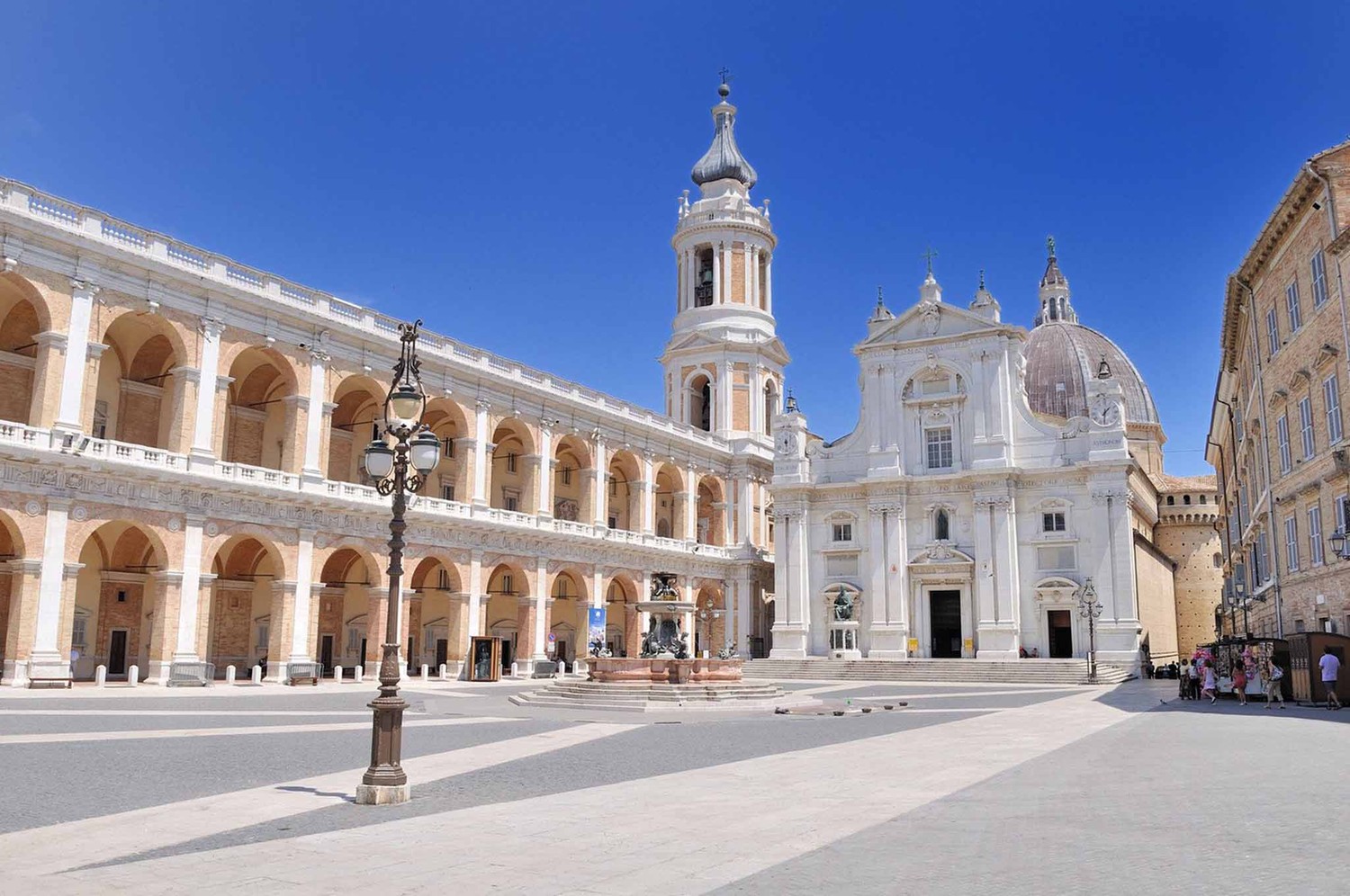
The Basilica of Santa Casa in Loreto, Italy, transcends mere architectural grandeur; it embodies centuries of Marian devotion and houses a collection that stands as a testament to the brilliance of Renaissance artistry. More than simply a place of worship—though its spiritual significance remains paramount—this basilica is an extraordinary feat of engineering and artistic endeavor, born from the miraculous relocation of Nazareth’s Holy House to Loreto in the XIII century. This event, recounted in countless illuminated manuscripts and oral traditions, cemented Loreto's position as one of Italy’s most sacred pilgrimage sites while simultaneously nurturing a remarkable artistic heritage that continues to inspire awe and wonder.
Historical Roots & The Miracle
The Basilica’s narrative begins with the Crusaders’ return from Palestine following their defeat at Acre in 1291. Driven by fervent piety, they embarked on a daring mission: to recover the Holy House of Nazareth – Mary's birthplace – believed to have been miraculously transported from Jerusalem to Loreto by angels. This audacious undertaking captivated the imagination of Christendom and spurred the construction of a chapel in Illyria (later rebuilt in Recanati) as a solemn memorial to this divine intervention. Archaeological investigations conducted throughout the centuries corroborate these tales, revealing evidence of stone originating from Palestine – meticulously transported across treacherous seas – confirming the veracity of the angelic transport and establishing Loreto’s identity as a locus of unparalleled spiritual fervor. The Basilica's walls whisper stories of faith, perseverance, and unwavering belief in divine providence—a narrative that resonates powerfully with pilgrims traversing its hallowed halls.
Architectural Splendor: From Gothic Roots to Renaissance Refinement
Initially enclosed by walls erected around the Holy House itself – a cornerstone of Loreto’s spiritual heritage – the Basilica underwent significant transformations throughout subsequent eras, incorporating contributions from celebrated architects like Bramante and Luigi Vanvitelli. The current edifice showcases a harmonious blend of Gothic and Renaissance styles, resulting in a visually arresting experience characterized by soaring vaults adorned with intricate tracery, opulent marble cladding reflecting the ethereal glow of candlelight, and breathtaking stained glass windows depicting scenes from the Gospels—a visual symphony designed to inspire contemplation and reverence. Notably, Bramante’s monumental dome – considered one of the finest achievements of Renaissance architecture—dominates Piazza del Santuario, symbolizing divine majesty and serving as a focal point for pilgrimage visitors alike. Its sheer scale embodies the ambition of its creators and underscores Loreto's enduring commitment to architectural excellence.
Renaissance Art: Lorenzo Lotto & Raphael’s Tapestries
The Basilica’s artistic treasures are particularly concentrated in its collection of Renaissance masterpieces, primarily attributed to Lorenzo Lotto and Raphael. Lotto’s canvases—executed with meticulous detail and imbued with profound emotional depth—depict scenes from the Gospels with remarkable sensitivity and realism, capturing the essence of Christian iconography. His masterful use of color and expressive figures elevates his works beyond mere representation, conveying spiritual truths that transcend temporal boundaries. Equally impressive is Loreto's ensemble of tapestries crafted by Raphael – originally intended for the Sistine Chapel—which adorn the interior walls with vibrant depictions of biblical narratives. These intricate artworks exemplify Raphael’s artistic genius and contribute to the Basilica’s overall grandeur—a testament to the enduring power of visual storytelling within a sacred context.
Notable Exhibitions & Ongoing Preservation
Throughout its history, Loreto has hosted numerous exhibitions showcasing both Loreto’s artistic heritage and broader themes related to Marian devotion—illuminating the Basilica's role as a cultural crossroads and fostering scholarly research into its architectural evolution and artistic significance. Recent initiatives have focused on enhancing visitor accessibility and promoting sustainable conservation practices—ensuring that the Holy House and its surrounding artworks endure for generations to come, safeguarding Loreto’s legacy as a pilgrimage site and an unparalleled repository of Renaissance art. The Basilica continues to inspire artists and scholars alike, reaffirming Loreto's position as a beacon of artistic excellence and spiritual contemplation.