Menu
CONSULENZA D'ARTE GRATUITA

Dettagli rapidi

  • Alternate names:
    • Augustiner Museum
    • Augustiner Kunstmuseum Freiburg
    • Augustinermuseum
  • Location: Freiburg im Breisgau, Deutschland
  • Works on APS: 1
  • Featured artists: matthias grünewald

Quiz d'arte

Per ogni domanda è presente una sola risposta corretta.

Domanda 1:
Quale artista è noto per aver creato il Polyptych di Sant’Agostino, un capolavoro rinascimentale celebrato per la sua serenità umanistica e precisione geometrica?
Domanda 2:
L'Augustiner Museum presenta una combinazione architettonica unica che fonde elementi storici con spazi espositivi moderni. Qual è lo stile architettonico predominante nella chiesa originale?
Domanda 3:
Nel corso della sua storia, il museo è stato trasformato da importanti progetti architettonici. Quando è iniziata una ristrutturazione significativa che ha aggiunto nuovi spazi espositivi?
Domanda 4:
Oltre ai dipinti e alle sculture, la collezione comprende una vasta gamma di opere d’arte che raccontano storie importanti. Qual è un oggetto unico nella collezione del museo che proviene dalla regione della Foresta Nera?
Domanda 5:
Qual è un artista famoso per aver realizzato opere che esprimono temi religiosi e umanistici?

A Journey Through Freiburg’s Artistic Soul: Exploring the Augustiner Museum

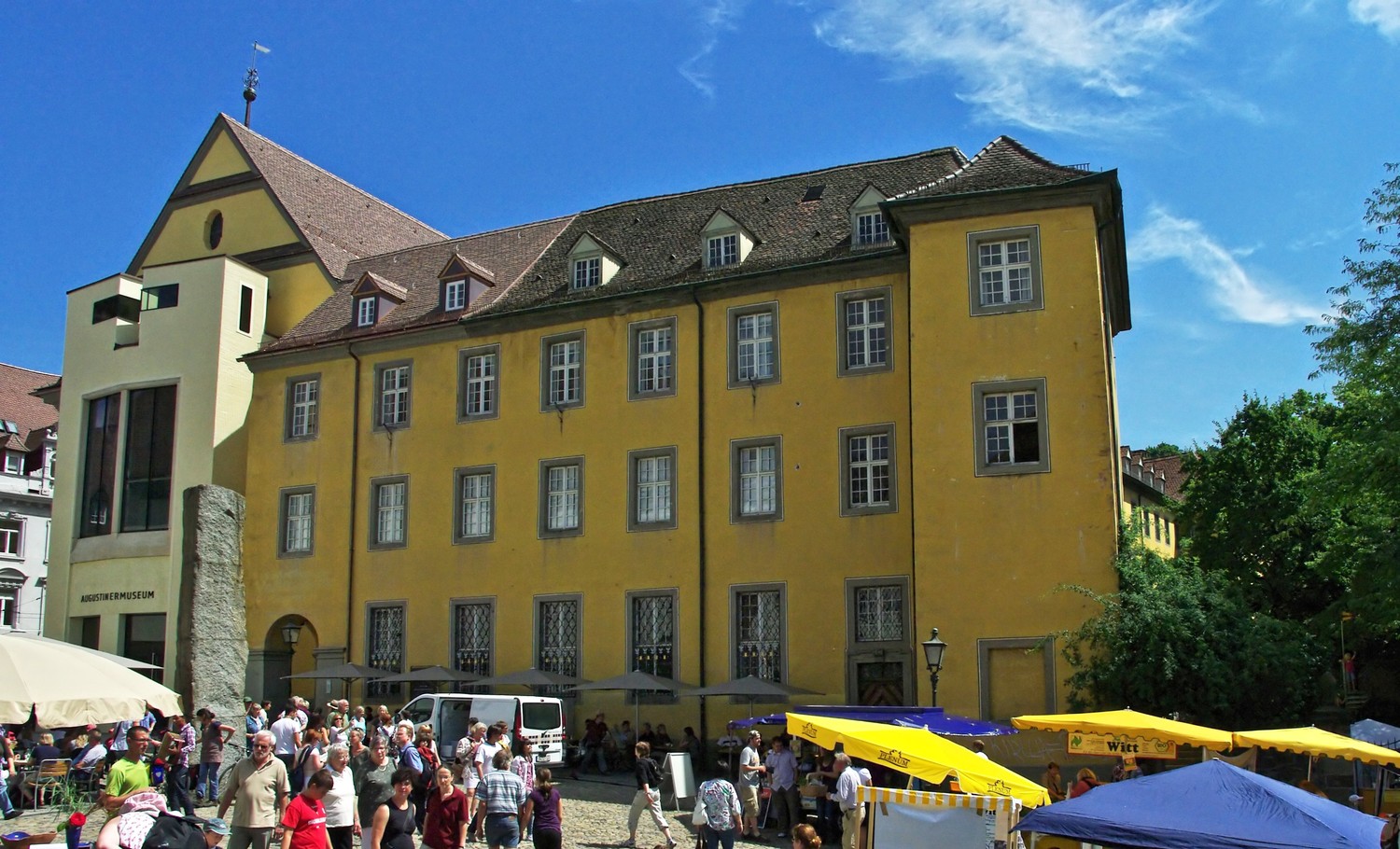
The Augustiner Museum in Freiburg im Breisgau isn't merely a repository of artworks; it’s a living chronicle of Freiburg’s artistic evolution, interwoven with its architectural heritage and steeped in regional lore. Located within the meticulously reconstructed former Augustinian Monastery building—a site itself bearing witness to centuries of faith and transformation—this museum invites visitors on an unforgettable voyage through the realms of medieval sculpture, Baroque painting, and Renaissance artistry.

Collection Highlights: Masters of Faith and Form

At the heart of the museum’s allure lies its impressive collection, encompassing masterpieces from across eras. Dominating the gallery spaces are monumental sculptures depicting prophets—four figures originating from Freiburg Cathedral—representing a pivotal moment in the city's artistic identity. Crafted in the mid-15th century, these stone sculptures embody profound spiritual symbolism and invite contemplation on themes of humility and divine grace. Alongside them reside canvases by luminaries such as Lucas Cranach the Elder, Matthias Grünewald, Anselm Feuerbach, and Hans Baldung Grien—artists who skillfully captured religious narratives and humanist ideals, reflecting the intellectual currents of their time. Their works exemplify the artistic prowess of the Renaissance period, showcasing meticulous detail and harmonious composition.

Architectural Legacy: Monastic Roots, Modern Vision

The museum’s building itself narrates a captivating tale of architectural adaptation and renewal. Originally conceived as a monastic sanctuary erected between 1230 and 1265, it underwent significant reconstruction efforts in the early 20th century—a project interrupted by the devastation of World War I. Subsequent renovations continued throughout the decades, culminating in a comprehensive refurbishment initiated in 2004 that dramatically expanded exhibition spaces and incorporated cutting-edge technological advancements. This architectural blend—historic monastic grandeur juxtaposed with contemporary gallery design—creates an atmosphere conducive to reflection and artistic appreciation. Visitors can marvel at soaring ceilings adorned with frescoes depicting biblical scenes, and explore the serene courtyard where monks once cultivated medicinal herbs.

A Singular Display: The Stone Prophets of Freiburg Cathedral

The museum’s centerpiece is undoubtedly its exhibition of four prophets carved from limestone—a testament to Freiburg's artistic ambition during the Gothic period. These sculptures stand as symbols of faith and piety, embodying the spiritual values cherished by medieval Christendom. Their imposing stature commands attention, prompting viewers to ponder profound questions about morality and divine providence. The meticulous craftsmanship involved in their creation underscores the skill and artistry of Freiburg’s stonemasons—a legacy that continues to inspire awe and admiration.

Beyond Paintings: Diverse Artistic Expressions

However, the Augustiner Museum's artistic treasures extend far beyond paintings and sculptures. Visitors can delve into a rich tapestry of artistic mediums – prints and drawings meticulously executed by masters like Albrecht Dürer and Rembrandt; decorative arts reflecting the opulent tastes of aristocratic patrons; Black Forest domestic artefacts showcasing regional traditions; coins commemorating historical events; timepieces embodying technological innovation—each item contributing to a holistic understanding of Freiburg’s cultural landscape.

The Museum's Ongoing Evolution: Reflections on Art and History

Finally, the Augustiner Museum distinguishes itself through its unwavering commitment to preserving both tangible artworks and intangible cultural heritage—a dedication that resonates deeply with visitors seeking authentic experiences. Recent exhibitions have explored connections between Freiburg’s art history and broader European trends, illuminating the museum’s role as a conduit for artistic dialogue. Moreover, the museum's educational programs foster appreciation for art among young people, ensuring that Freiburg’s artistic legacy continues to inspire future generations. Discover reproductions of masterpieces like Piero della Francesca’s ‘Polyptych of St Augustine,’ Augustin Pajou’s ‘Bust of Madame du Barry,’ and Théodule Ribot’s ‘The Good Samaritan’—available exclusively at OriginalUniqueArt.com.